

A PENINSULA in Swansea Bay changed the course of The UK’s landscape history seventy years ago.
In 1956, Gower became the UK’s first Area of Outstanding Natural Beauty (AONB). It was a quiet decision at the time, but a transformational one – not just for south-west Wales, but for the entire country. For the first time, a place was legally protected simply because it mattered: for its beauty, its wildlife, and its role in everyday life.
Today, protected landscapes cover around 14% of England, Wales and Northern Ireland, and most of us live within easy reach of one. That idea – that beautiful, working landscapes should be safeguarded for everyone – began here.
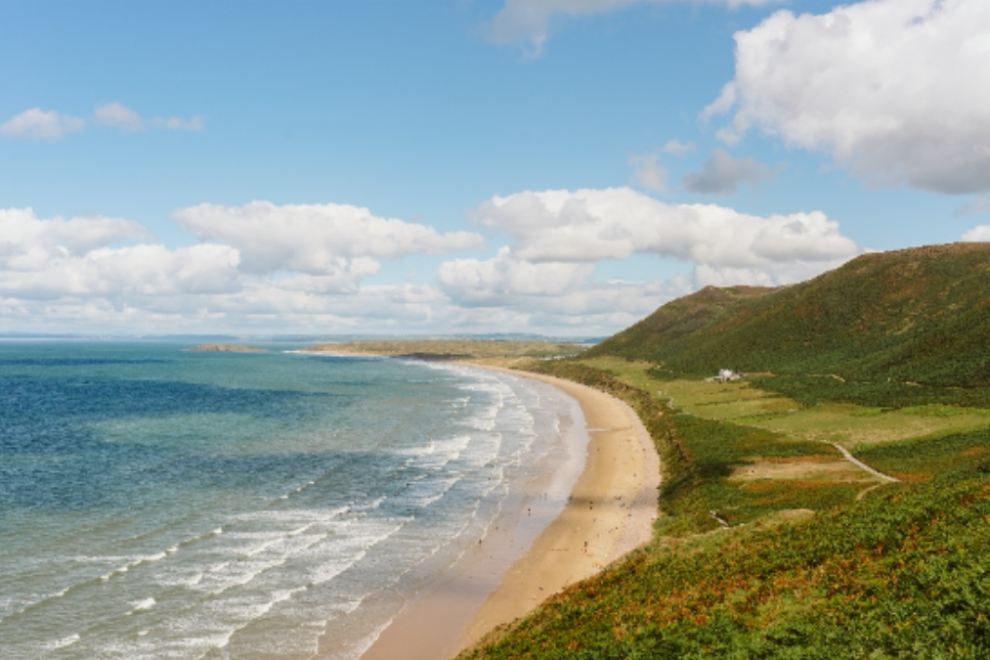
Gower was designated for its dramatic limestone cliffs, wide sandy bays, dunes, saltmarshes and remarkable mix of habitats. But it was never just about postcard views. From the start, it was recognised as a living landscape – shaped by farming, commons, ancient field systems and close-knit villages. People were part of the picture, not something to be managed out of it.
What’s often forgotten is how close Gower came to missing out altogether.

Its designation was not guaranteed. It took early and determined campaigning from local voices, including the Gower Society, to persuade decision-makers that this was a place of national importance. That sense of local advocacy – people standing up for what they value – is woven into Gower’s story and remains one of its greatest strengths.
The impact of that moment has been far-reaching. Gower’s protection helped inspire the wider network of protected landscapes that now stretches across the UK. In 2023, these places were brought together under the shared name “National Landscapes”, reflecting their national importance and the growing role they play in tackling modern challenges. Gower’s legal status as an Area of Outstanding Natural Beauty remains unchanged, but its influence continues to grow.
This corner of Wales holds stories that span tens of thousands of years. From the Red Lady of Paviland – Europe’s oldest known human ceremonial burial – to world-famous beaches at Rhossili, Three Cliffs and Oxwich, Gower connects deep history with everyday experience. It is a place people live in, work in and return to, generation after generation.
Crucially, Gower has never stood still. In recent years it became South Wales’s first International Dark Sky Community, showing how protected landscapes can respond to modern pressures while enhancing quality of life for residents and visitors alike. It is a reminder that conservation is not about locking places away, but about thoughtful stewardship.
As Wales looks to the future – facing climate change, biodiversity loss and growing pressure on land – Gower’s story feels more relevant than ever. Seventy years ago, it showed the UK how to protect what matters. Today, it stands as a reminder that the best decisions often start locally, with pride in place and a long view of what we want to pass on.
Gower didn’t just make history. It continues to shape it.
Head to the Visit Swansea Bay website to find out more here.