

“UTTER CHAOS” was how a local campaign leader described the latest announcement from Lightsource bp about the proposed Maen Hir solar project on Anglesey / Ynys Môn.
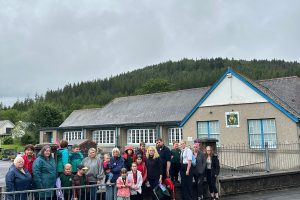
Sarah Pye, leader of Grwp Cadw Tir Môn and a member of CPRW, which has campaigned against the Lightsource bp proposal, said: “We received an email this week from the Planning Inspectorate saying the application had been withdrawn, which seemed like a time to celebrate, but reading on I saw that they intend to reapply.
“I really don’t know what is going on with the project.”
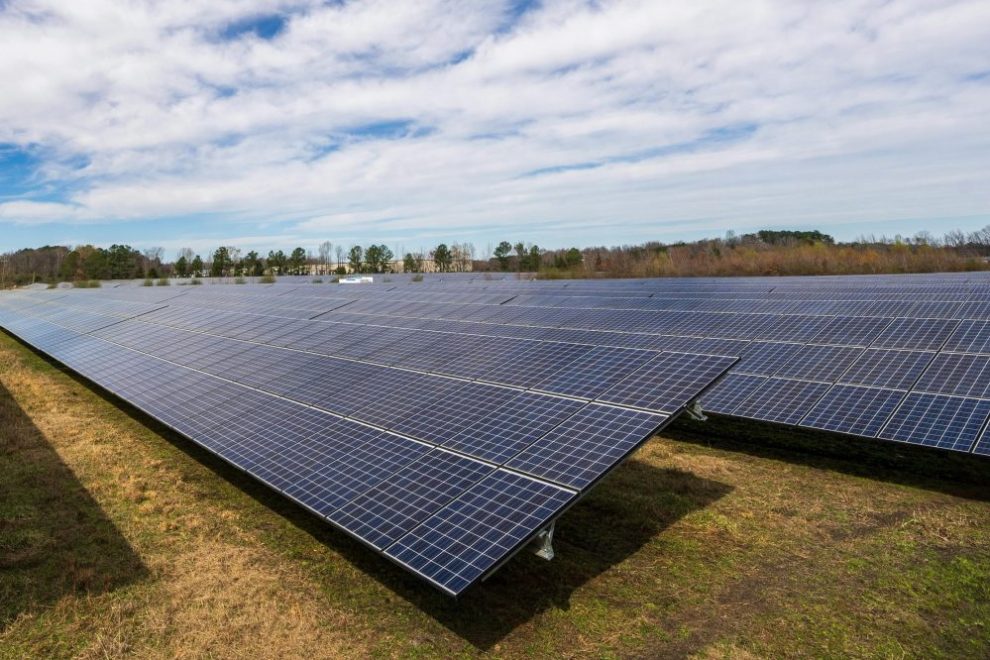
The project started almost five years ago with the intention of building a 240 MW solar farm around Llyn Alaw, the drinking water reservoir for the north of Anglesey. As the scheme was originally under 350 MW, it was progressed as a Development of National Significance, with the decision to be made by Welsh Ministers.
After holding public consultations, the project was re-launched as a 360 MW solar and battery project, bringing it into the Nationally Significant Infrastructure Project process, with the decision to be made by the Secretary of State, Ed Miliband.

Sarah said: “There was a statutory pre-application consultation in 2024, but since then there has been no news until we see it has been withdrawn.”
The email from the Planning Inspectorate links to a letter from Lightsource bp, which stated: “We have taken the decision to withdraw the project from the Planning Inspectorate’s preapplication advice stage for Nationally Significant Infrastructure Projects.
“This is a precautionary measure whilst we continue to undertake further due diligence for the proposed development and consider alternative consenting regimes.”
“Withdrawing from the pre-application stage allows us to ensure that we have thoroughly assessed all aspects of the scheme and incorporated the findings of our environmental work before progressing further through the planning process.”
It also stated: “We intend to publish a comprehensive update on the project later in 2026, which will outline the next steps for Maen Hir.”
Sarah added: “I asked CPRW if they knew what was going on and they told me that the application to connect to the grid was actually for 430 MW.
“If that was built in two phases, then there could be a legal question as to whether it was one project under the UK process or two projects under the Welsh process. They are probably trying to avoid a legal challenge later.”
The proposed solar farm would be built in four large blocks of farmland totalling around 3,000 acres near Rhosgoch and Llanerchymedd. This includes fields where the endangered Greenland White-fronted Geese spend the winter, one of only two places in Wales they visit.
Around a third of the land is classed as Best and Most Versatile agricultural land, which under Welsh planning policy should not be developed. Protection is much weaker under UK policy. However, the nearby Alaw Môn Solar project, covering nearly 700 acres, the majority of which is classed as Best and Most Versatile land, was approved by the previous Welsh Minister.
New First Minister of Wales Rhun ap Iorwerth MS and Llinos Medi MP have both campaigned against the Maen Hir development, citing the loss of agricultural jobs and the impact on local communities.

CPRW says the situation highlights the growing confusion and concern around large-scale solar development on Ynys Môn and across rural Wales.
Jonty Colchester, CPRW Chairman, said: “This latest development raises serious questions about how major solar schemes are being brought forward, how communities are expected to respond, and which planning regime should apply.
“Local people have already spent years trying to understand and respond to this proposal. They now face more uncertainty, with the prospect of the scheme returning in another form later this year.
“CPRW supports renewable energy, but it must be delivered in the right places, at the right scale, and with proper regard for food-producing land, wildlife, landscapes, local communities and democratic accountability.”