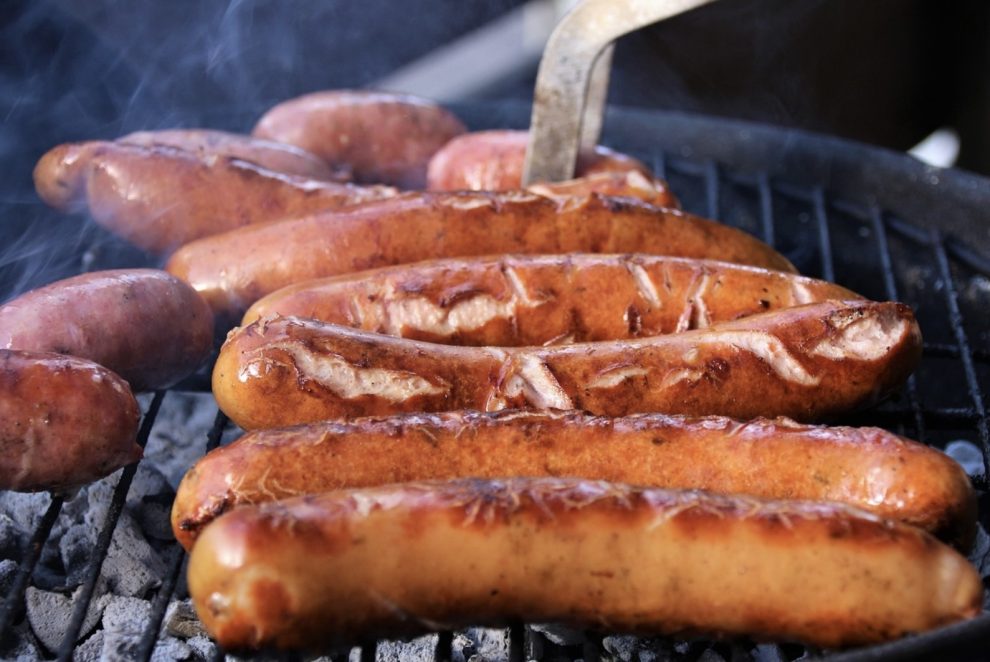

THIS NATIONAL BBQ Week (May 25 – June 2) has been a scorcher for many parts of the UK, with temperature records being broken multiple times. As the hot weather begins to ease, many of us may have leftovers or partly opened foods that either didn’t get eaten or didn’t make it to the grill.
Here, food hygiene training experts High Speed Training shares expert guidance to help households hosting or attending BBQs cut costs and reduce environmental impact by simply storing leftovers and partially opening foods correctly.
With food waste remaining a significant challenge for UK homes, High Speed Training aims to empower consumers to make their food shop go further without compromising on safety. While saving leftovers is a brilliant way to reduce waste, it’s important to know how to correctly store them as incorrect storage can lead to the growth of harmful bacteria such as Listeria, Salmonella, and E. coli.
Dr. Richard Anderson, Learning Experience Director at High Speed Training, said: “Many people have leftovers after hosting a BBQ, and proper food storage is a critical line of defence against food poisoning.

“You might not realise that even if food looks and smells fine, it could still be unsafe if it has spent too long in the ‘temperature danger zone.’ By following a few simple steps, we can save money, protect our health, and help the planet.”

Top Tips for safe and sustainable food storage:
- The Two-Hour Rule: Always cool hot food before putting it in the fridge or freezer, ideally within two hours of cooking. This prevents the fridge’s internal temperature from rising and putting other items at risk.
- Ditch the Tin: Never store open canned food in the fridge. The metal can transfer to the food, affecting the taste. Instead, transfer contents to a sealed, airtight container.
- Know Your Dates:
- Use By: A deadline for safety. Do not eat food past this date.
- Best Before: An indicator of quality. Food is often still safe to eat, though the texture or taste may change.
- The Power of Labelling: Label leftovers with the date they were cooked. As a rule of thumb, refrigerated leftovers should be eaten within three days, while frozen items are best used within three months.
- Avoid the Fridge Door: While convenient, the fridge door is the warmest part of the appliance. Keep leftovers on the main shelves where the temperature is most consistent, and save the door for condiments and juices.
High Speed Training stresses the importance of keeping food covered. Uncovered plates allow bacteria to spread and increase the risk of cross-contamination, a particular danger for those with food allergies. Using sealed tubs or tightly wrapped foil ensures that allergens do not transfer between products.
To stay on top of food waste, the ‘First In, First Out’ (FIFO) rule is recommended: use up older leftovers before cooking new meals. Splitting leftovers into single-serve portions can also make them more convenient for quick lunches.
For more tips and in-depth guidance, visit High Speed Training Hub, or our article: Guidance on Storing Leftovers and Partly Opened Foods