

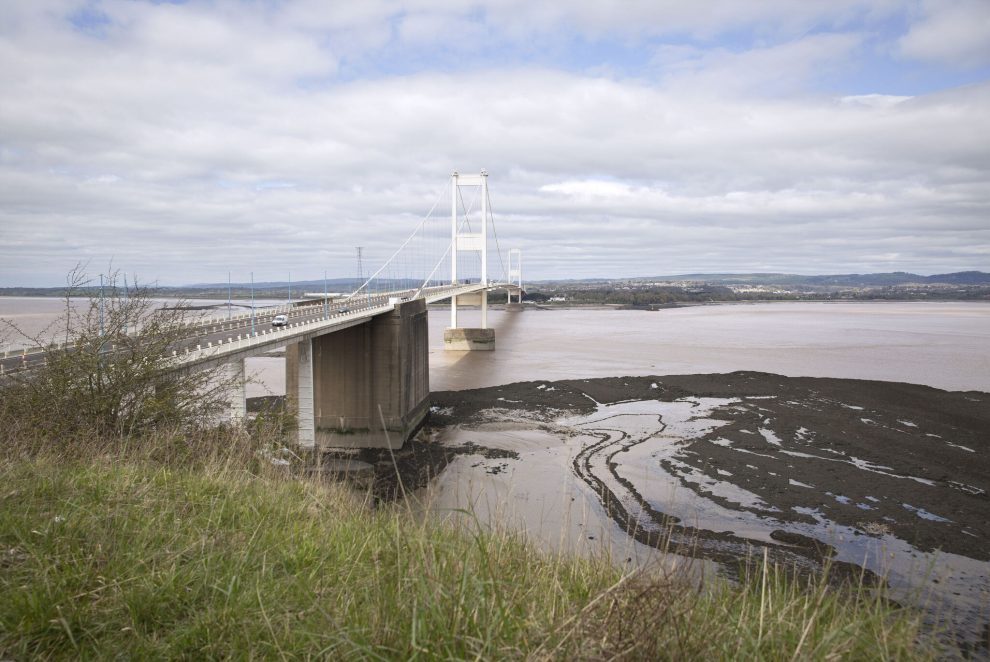

HEAVY goods vehicles could still be prevented from crossing to England during the morning rush hour after the current Severn Bridge weight limit is lifted.
A ban on vehicles weighing 7.5 tonnes and more was introduced on the 60-year-old suspension bridge in May last year meaning lorries which made up around 10 per cent of the 32,000 vehicles that were crossing the bridge every day have faced a 13 mile diversion using the M4 Prince of Wales bridge.
From October a medium term solution intended to reopen the bridge to HGVs is intended to be in place which will require them to exit slip roads on approaches at both sides of the bridge and release them on to a bridge in controlled numbers.
Alan Feist, the programme manager for National Highways the UK government agency responsible for both bridges, told councillors it is likely when the new signalled controlled system comes into place from October there would still be a restriction on eastbound HGVs, heading towards England, between 6am and 10am.
He said the agency is also exploring local and weekend exemptions for the eastbound traffic in the morning.

HGVs would otherwise be controlled by traffic lights to release them on to the bridge after coming off the main carriageway while technology will be used to monitor the weight on the bridge in real time and ANPR cameras to enforce the restriction and monitor traffic.
But Mr Feist said the lights would mostly be on green and said: “We won’t need to have the light on red more than once or twice a day.”
The system will be intended to ensure there are never more than 10 HGVs travelling in either direction on the bridge at one time, which was described as consistent with numbers before the restriction was put in place.
Members of Monmouthshire County Council’s public services committee raised concerns at how the new system would impact traffic around Chepstow and at Junction 23A on the M4 at Magor. Traffic lights were installed at the junction in February, to manage the impact of increased traffic due to the bridge closure, but there was criticism of a lack of consultation and forewarning.
Mr Feist reminded councillors National Highways, which is only responsible for the bridges with other roads in Wales part of the Welsh Government’s network, is tasked with reopening the bridge to HGVs.
He said: “We’re not trying to fix problems that already existed. The remit of the programme is to get HGVs back on the bridge.”
The medium term solution, which also requires new traffic orders, is expected to cost £22-23m pounds, with £1.5m spent already, and Mr Feist said the value for money case “does stack up” with a benefit of more than £1 returned on every pound spent.
But he said: “That is only if we have a medium term solution in place for seven years, less than that it doesn’t stack up that well.”
Mr Feist said it is possible the medium term solution could be in place for 10 or even 20 years while the long term solution to replace the bridge cables could cost between £300m and £600m and he said: “The nature of this work is it is stuff no-one’s ever done before so to try and work out how long it would take is very difficult.”
National Highways will carry out 3D scanning of the bridge this summer and produce an interim feasibility report in the autumn before producing a final report during the winter and a development strategy in spring 2027 with the next cable inspection due in summer 2027.

An interactive demonstration of how the medium term solution to control lorry movements will work is expected to be ready in July.
Councillors also criticised the Welsh Government and its South East Wales Trunk Road Agency for a perceived lack of engagement and communication over managing the impact of the bridge closures on the M4 and wider road network in Monmouthshire and South Wales.
Johnny Hill, route manager for National Highways, said it has a good working relationship with its Welsh counterparts.
The meeting was also told a new junction, on the English side, from the M4 expected to reduce the numbers crossing the Severn Bridge is expected to open in spring next year.