
Former Greater Manchester mayor promises radical devolution agenda after sweeping Makerfield victory
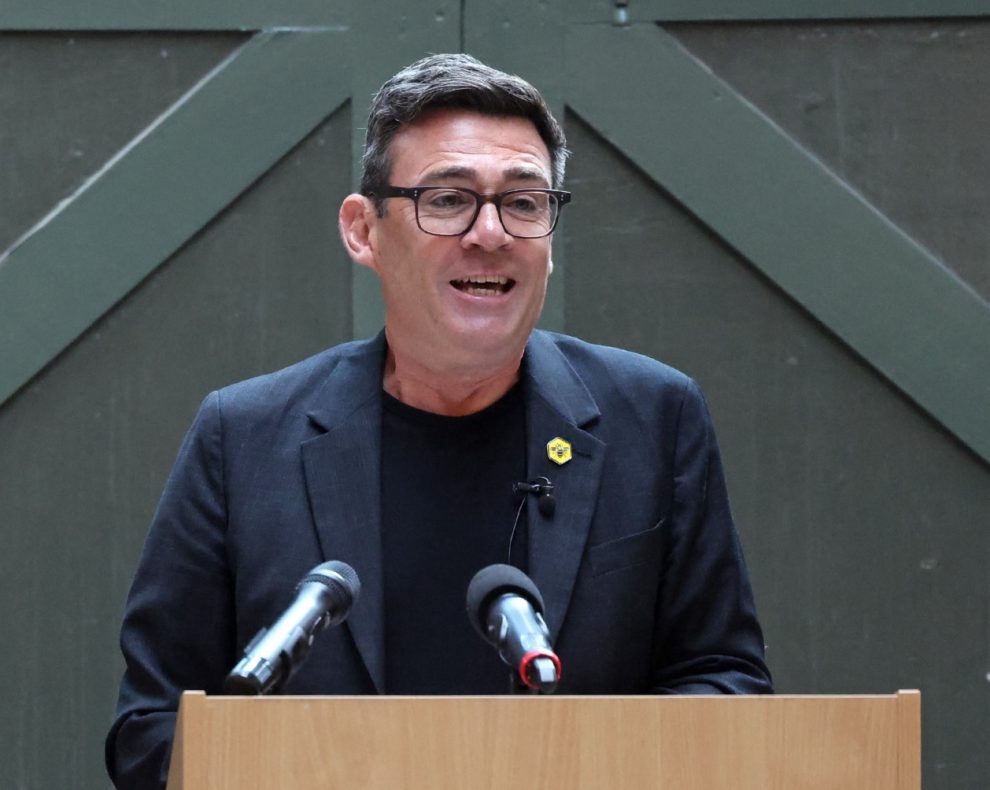
ANDY BURNHAM has used his first major policy speech since returning to Westminster to set out a blueprint for government, promising the biggest transfer of power away from Whitehall in modern times and unveiling plans for a new “No 10 North” in Manchester.
Speaking at the People’s History Museum on Monday, Burnham presented himself as the politician capable of breaking what he described as Britain’s cycle of economic stagnation, political division and over-centralised government.
The speech is widely being seen as his opening pitch to the country ahead of his expected move into Downing Street next month.
Burnham enters the contest from a position of strength after winning the Makerfield by-election earlier this month with a landslide majority. The result marked his return to Parliament and cleared the way for his challenge to succeed Keir Starmer.
At the heart of the speech was a promise to deliver “good growth in every postcode”, with Burnham arguing that Britain can no longer rely on decisions being made almost exclusively in London.
He said the UK remained one of the most centralised countries in the developed world and claimed the current system was failing the north, the south, London and the wider regions alike.
“The whole country suffers when the regions and nations are not meeting their potential,” he said.
Burnham argued that economic growth should be driven from communities and regions rather than directed from Whitehall, promising what he called “the biggest rebalancing of power our country has seen”.
The headline announcement was the creation of a permanent northern operation for the Prime Minister’s Office.
Burnham said a new No 10 North would be based in Manchester, but insisted it would not simply move power from London to one city.
“The job of No 10 North will be to make power flow into the Midlands, into the South West, into the East of England and yes, into London,” he said.
Burnham used the speech to outline what he calls “Manchesterism” — an approach shaped by his years running Greater Manchester.
The model combines sound public finances, local leadership, infrastructure investment, housing, universities, business, public services and trade unions working together to drive growth.
He said his time in Greater Manchester had shown that a different style of politics was possible, based on “place first, not party first” and “problem solving, not point scoring”.
Burnham also attacked Westminster culture, saying Parliament had become increasingly fragmented and disconnected from the communities MPs represent.

He promised a more collaborative style of government and said MPs should be allowed to be “authentic representatives” rather than being controlled by fear of the whipping system.
He also said local government had been left “threadbare”, with councils struggling to meet basic responsibilities while national government had grown larger since the pandemic.
The speech was quickly attacked by Conservative leader Kemi Badenoch, who dismissed Burnham’s proposals as “more public control, more regulation, more taxes”. Reform UK figures also criticised him for not taking questions from journalists after the speech.
For Wales, the speech will be watched closely because of its focus on devolution, regional growth and shifting power away from Westminster.
His argument that decisions should be taken closer to communities is likely to resonate with ongoing debates about transport, healthcare, economic investment and local government powers in Wales.
With Labour’s leadership transition expected to conclude within weeks, Burnham’s Manchester speech offered the clearest indication yet of how he intends to govern: less power concentrated in Whitehall, more influence for regions and nations, and a long-term focus on rebuilding local economies and living standards.