

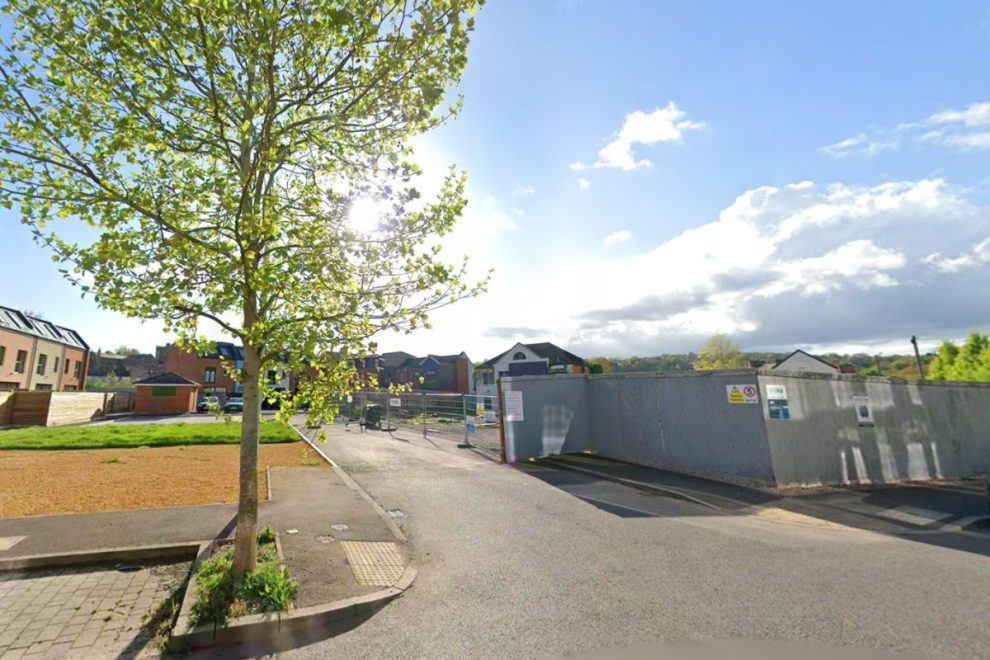

CHANGES to a legal agreement linked to the development of more than 600 new homes have been approved.
The original agreement was attached to planning permission for 169 new homes at the former Osborn International Site in Lower Church Street, Chepstow, dated back to 2011 and required the developers to deliver £200,000 worth of “economic infrastructure development”.
The condition, known as a section 106 legal agreement, amounted to putting land aside for employment use on the adjacent Fairfield Mabey site, where permission was granted for up to 449 homes in applications approved in 2017 and 2019.
However “despite extensive and lengthy marketing exercise by the applicants” it was established there was “no demand” for commercial premises, and as a result the land was instead used for 100 per cent affordable housing with permission granted in March 2025 for 46 homes.
As Monmouthshire County Council’s planning committee had approved the original 2011 application for the site at The Back, with the section 106 agreement as a condition, the application to modify and discharge it had to be brought back to the planning committee.
Planning officer Phil Thomas said the agreement “had been approved by members many moons ago.”

He said construction on the 46 affordable homes is nearing completion with tenants expected to start moving into the social housing block, run by the Pobl housing association, either later this month or during August.
Construction of the block of “intermediate” homes, which are available for below market rent, and the older persons block is expected to be completed before the end of the calendar year.
The committee also approved changes to the affordable housing plan for the original 169 homes, though only 161 were eventually built, as their locations within the plot was changed by agreement. Mr Thomas said there was no reduction in the 34 affordable units agreed under the council’s then policy of 20 per cent affordable housing on site.
The developers had also completed construction of a road to the site boundary, which had been confirmed by officers, which meant that clause could be removed from the agreement.