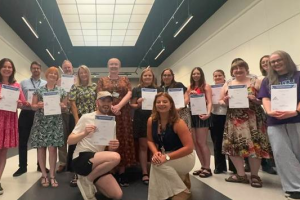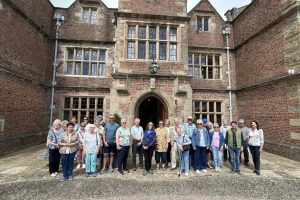


MEMBERS of the Denbigh and District Probus Club enjoyed an informative July meeting featuring a fascinating talk on bees, biodiversity and the importance of protecting the UK’s wildlife.
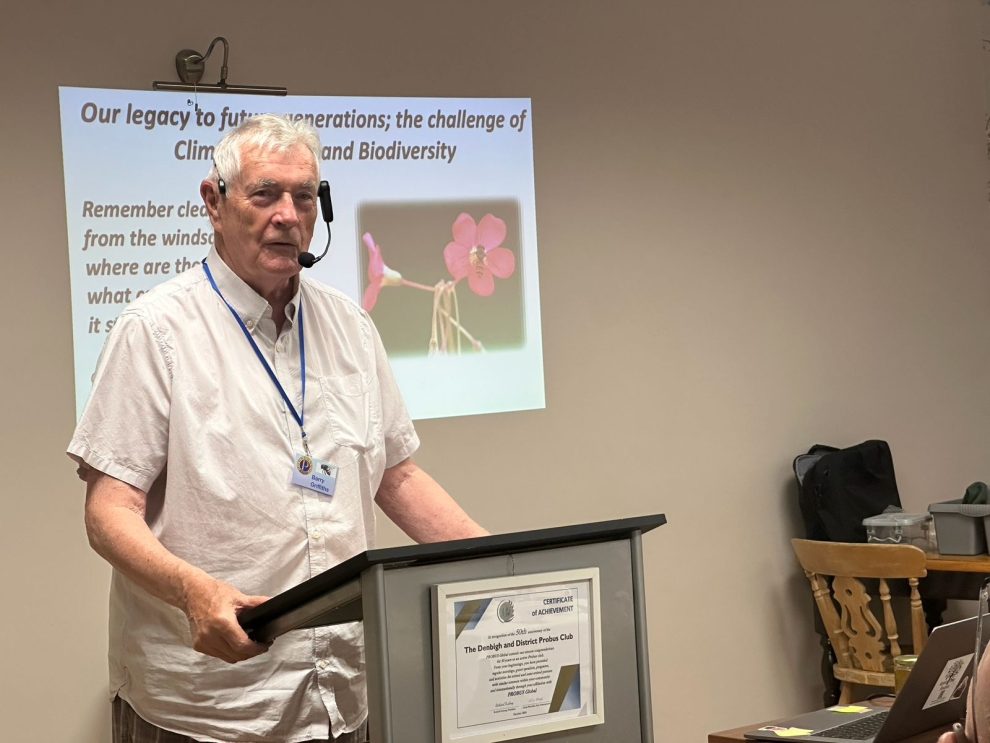
The meeting, held at Tweedmill in St Asaph, included a lunch before guest speaker Barry Griffiths – affectionately known in some circles as “Barry Bees” – shared his knowledge and passion for pollinators and the natural environment.
A long-standing beekeeper and former chairman of Conwy Beekeepers, Barry has combined his experience with his role as a town councillor to champion biodiversity projects across North Wales. A keen photographer, he has built an extensive library of wildlife images and continues to volunteer in the community after a career with Pilkington Optronics and running his own digital business.
During his presentation, Barry highlighted the dramatic decline in Britain’s wildlife, describing the UK as one of the world’s most nature-depleted countries. He reminded members how insects once covered car windscreens during summer journeys, a familiar sight that has become increasingly rare.
While many species have not disappeared entirely, Barry explained that populations have fallen significantly and stressed that simple measures such as creating wildlife-friendly gardens, planting forage-rich flowers and protecting habitats can help reverse the trend.
Members also learned about the fascinating lifecycle of honeybees, from egg and larva through to pupa and adult. A single colony can contain tens of thousands of bees, with worker honeybees typically living for around six weeks during the active season.
Barry explained the vital role bees play in pollinating flowering plants while collecting nectar and pollen, forming a mutually beneficial relationship that underpins food production and healthy ecosystems.
The audience heard about the UK’s diverse bee population, including honeybees, bumblebees, mason bees and Hylaeus species, as well as solitary bees that nest in tunnels underground.
He also warned of threats facing pollinators, including the destructive Varroa mite, which spreads deadly viruses such as Deformed Wing Virus, and the growing concern posed by the invasive Yellow-legged Hornet.
However, Barry emphasised that bees are only part of the wider pollination picture, with hoverflies, butterflies and many other insects making an equally valuable contribution to biodiversity.
Members were encouraged to support wildlife in their own gardens and window boxes by planting species that provide food and habitat for pollinating insects throughout the year.
Barry also outlined successful biodiversity work carried out alongside a local solar park operated by Schroders Greencoat, where collaboration has delivered significant environmental improvements while supporting renewable energy and community outreach projects.
Denbigh and District Probus Club welcomes business and professional women and men who are retired, semi-retired or approaching retirement.
The club’s next meeting will be an invitation lunch on Monday, August 3, when Clwyd Wynne will present a talk on The Denbigh Mental Hospital.