

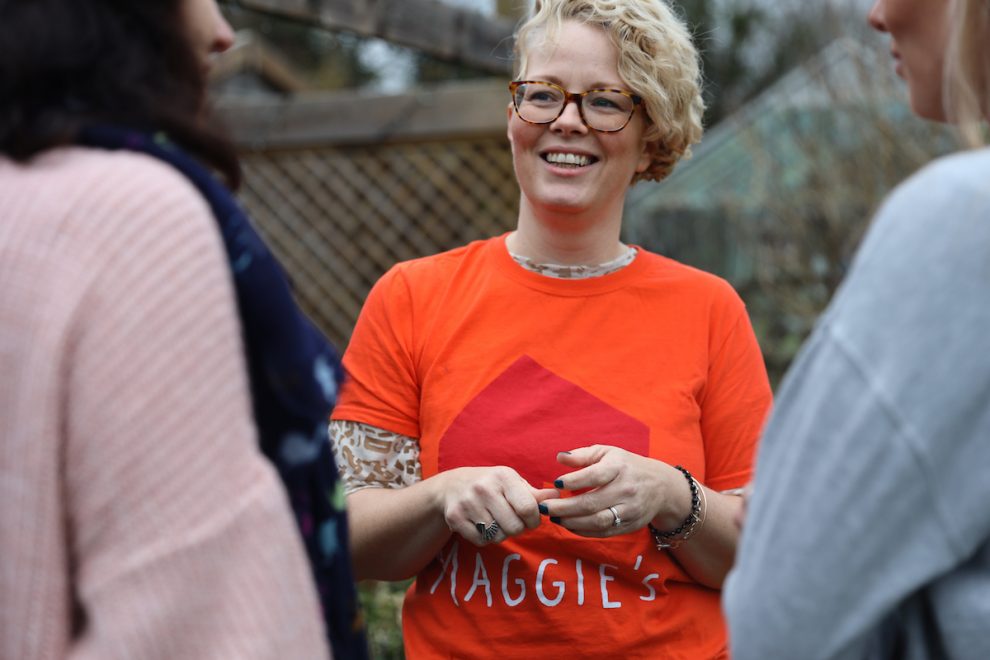

THE WELSH GOVERNMENT must prioritise emotional and practical support for people with cancer in its upcoming national cancer strategy, the leading charity Maggie’s has said.
Maggie’s has centres providing support for people with cancer at each of the three major cancer hospitals in Wales, and research shows that through providing psychological care, pre- and post-treatment support and exercise classes, the charity saves NHS Wales £535,000 a year.
While the government’s decision to develop a long-term plan to improve cancer care across the country is welcome, Maggie’s is urging Health Secretary Mabon ap Gwynfor to ensure the strategy includes measures to support people with the emotional and practical impact of a diagnosis, both throughout treatment and beyond.
Last year, Maggie’s opened its third Welsh centre at Glan Clwyd Hospital in Rhyl, joining Maggie’s at the Velindre Cancer Centre in Cardiff, which opened in 2019, and Maggie’s at Singleton Hospital in Swansea, which has been supporting people with cancer since 2011.
There were more than 21,000 visits across the three centres in 2025, with people accessing a huge variety of support ranging from financial advice to exercise classes.

As the government begins to prepare its national cancer strategy for Wales, Maggie’s wants elements of its own support programme to be embedded into NHS cancer care, to ensure everyone facing a diagnosis can access the tailored support they need at every stage.
Getting Started, for example, is a one-off session designed to help people get ready for treatment by providing information on what chemotherapy or radiotherapy involves, how its administered, what side effects to expect and how to manage them, and where to seek additional support if needed.
The session is delivered in a Maggie’s centre in collaboration with local hospital staff. Building a direct referral to Getting Started into the NHS pathway could ensure everyone diagnosed can both benefit from the workshop and be introduced to the wide range of support available at Maggie’s.
Dame Laura Lee DBE, chief executive of Maggie’s, said: “Around 20,000 people in Wales are diagnosed with cancer each year, and this number is only predicted to rise – meaning Maggie’s expert support is needed more than ever.
“It is encouraging that the government has already listened to the calls we made, along with the Wales Cancer Alliance, to create a national cancer strategy for the country, but it is crucial that this goes beyond just diagnosis and medical treatment.
“Cancer can affect every part of someone’s life, from work and finances to family and mental health. Making Maggie’s a standard part of cancer care in Wales would ensure individuals and their families receive support for all the challenges a diagnosis brings, helping people live full and productive lives with and beyond cancer.
“We look forward to working closely with the Welsh government as they develop this much needed strategy.”
Jo Woolnough from Swansea was 38 when she was diagnosed with breast cancer, and her son was just 5 years old. Jo accessed Maggie’s psychological support as well as receiving help from the expert team on talking to her son about her diagnosis.
Jo said: “The hardest part of being diagnosed is that you no longer live the life you have been living.
“It wasn’t until I’d stepped through the doors that I understood what Maggie’s really is. My husband and I walked up to this lovely, impressive building, we walked through those doors, and it just undid me. It was like a rush of love met me at the door.
“I had been so frightened, and I didn’t know what was going to happen to me, but leaving after our first visit, we felt much more positive. I already felt like it was going to be an anchor, a safe place that I could go to.
“Through Maggie’s I’ve learnt that a cancer diagnosis needn’t be as frightening as everyone thinks it is. Just talking about it more makes it feel less frightening.
“Knowing how to talk to my child about what we were going through and being able to have an honest conversation with him was a key part of my journey. I can’t imagine what our lives would have been like without the help of Maggie’s.
“I think there’s a preconceived idea that cancer happens to the elderly and that’s not true at all. It doesn’t matter your age or your background; cancer doesn’t discriminate, but neither does Maggie’s.”