

A CALL for a second dwelling at a Ceredigion dairy farm that provides milk both to the trade and through two local ‘milk bars’ has been given the go-ahead.
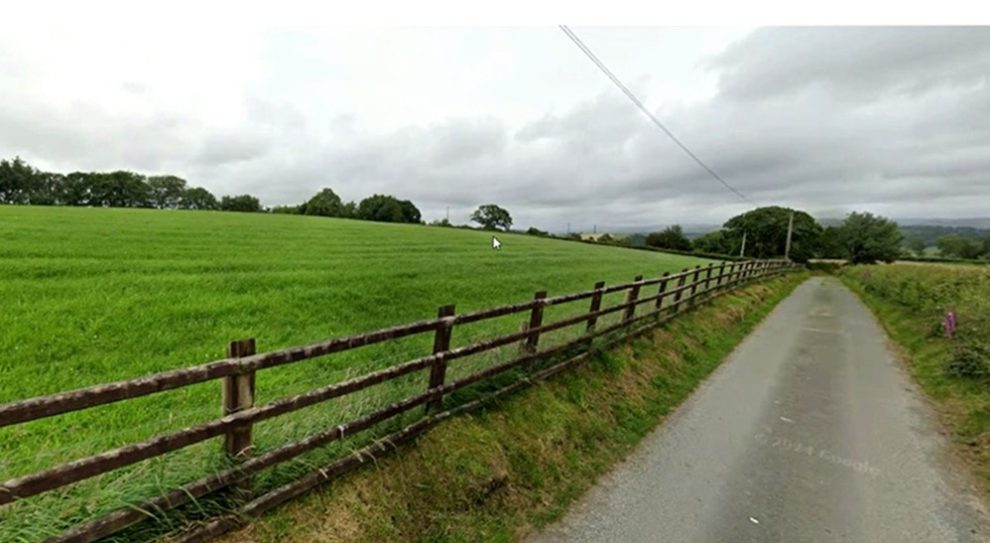
In an application recommended for approval at the November 12 meeting of Ceredigion County Council’s development management committee, Mr and Mrs D and G Davies sought permission for a rural enterprise dwelling and associated works at Gwarffynnon, Silian, near Lampeter.
The scheme was referred to committee rather than being decided under delegated officer powers on the basis of a decision at commit being needed for “any application submitted by, or on behalf of, any serving elected member of the council or by a close personal associate”.
A report for members recommending approval said dairy farm Gwarffynnon Farm, approximately 2.3km north of Lampeter and 850 metres to the south of Silian, comprises 100 acres of land, and includes a farmhouse, sheds, a milking parlour, holiday accommodation, and a wind turbine.
It produces milk that is sold to De Caernarfon as well as directly to local business; the farm also running its own milk bars in Lampeter and Llwyncelyn; with a further 53 acres rented at Dyffryn, Silian, the report said.

It added: “The application seeks full planning permission for the erection of a second residential dwelling to support the rural enterprise. The farm is operated by the applicant, Mr D Davies and his son, whom both work full time on the enterprise. The enterprise only has one dwelling currently, where they both currently reside.”
On need, it said: “The application states that there is a functional need for two workers to live at the site for the following reasons: the scale and nature of the enterprise requires significant presence on site farm operates all year round milking is a labour-intensive operation that requires workers to be present multiple times a day, seven days a week, throughout the entire year.
“The cows are milked twice a day, calving of 150 cattle across two seasons demands around-the-clock attention, with workers on-site day and night to care for the animals.”
It said there was a risk of neglect and loss of stock if the management of the animals and land are not controlled properly and as such could threaten the economic sustainability of the enterprise, and it was accepted “there is a functional need for two workers to live on site, based on the scale and nature of the enterprise, the year-round operation of the farm, and the labour-intensive demands of milking and calving”.
It finished: “In addition, [policy] supports the provision of a second dwelling on established farms that are financially sustainable, particularly where it contributes to succession planning and supports younger people in managing farm businesses.”
The recommendation of approval was moved by Cllr Gareth Lloyd and unanimously backed by committee members.