


UK HOMEOWNERS surveyed by L&G to uncover renovation trends, motivations, and the impact of home improvements on wellbeing.
Homeowners across Britain are increasingly choosing to invest in their current homes rather than starting over, a new survey from L&G reveals.
- Nearly half of homeowners (48%) plan to stay in their current homes long-term
- 41% completed a renovation in the past 12 months
- Despite the stress, 76% reported improved wellbeing following renovations
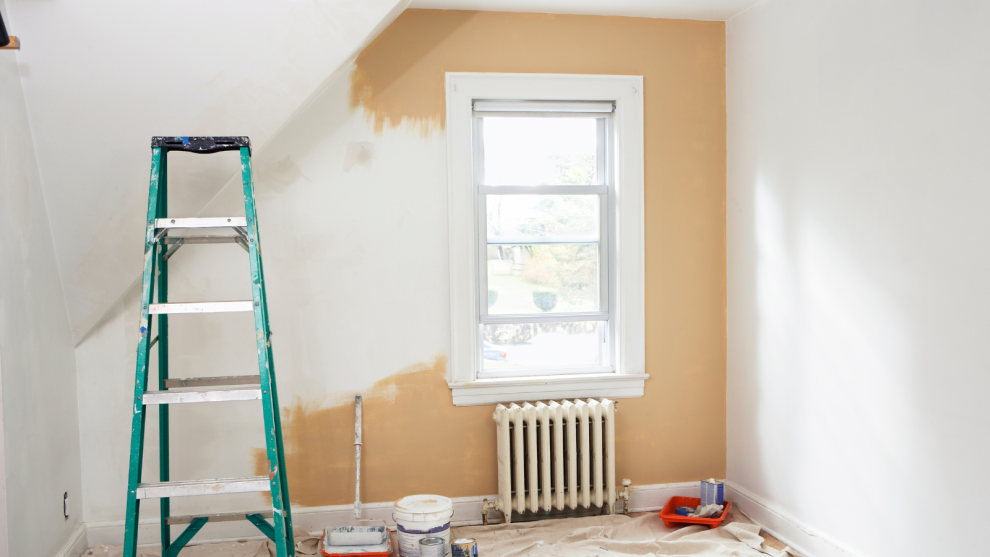
- Most popular upgrades include painting and decorating (54%), bathroom improvements (39%), and kitchen remodels (35%)
The research shows nearly half of homeowners (48%) plan to stay in their homes long-term, while just 9% expect to move in the near future. Reflecting this shift, over a third (41%) of UK homeowners completed a renovation in the past 12 months, demonstrating the nation’s appetite for transforming their living space without moving.
Renovation decisions were often influenced by life stages. While buying a new property was a trigger for nearly half (46%) of respondents, 37% of 25 to 34-year-olds started renovations due to ‘having a baby or growing a family’. Homeowners in Norwich (52%) and Bristol (51%) were the most likely to have renovated in the past year.
While home renovations can be highly rewarding, they don’t come cheap. On average, homeowners spent £11,731 on a kitchen remodel (rising to £14,103 in Wales), £9,037 on a bathroom upgrade, and £21,520 on a double-storey extension.

Most homeowners (77%) funded their projects from savings, while nearly a quarter (23%) used credit cards – a figure that rises to 38% among millennials aged 25–34. Despite these costs, only 16% said financial pressures would make them delay or cancel future renovations, with the majority viewing their investment as worthwhile.
L&G’s Home Finance data shows that more older homeowners are using equity release and remortgaging to fund home improvements. It found that half (50%) of equity release customers now use their property wealth for renovations, highlighting the growing ‘improve, don’t move’ trend.
With home renovations, challenges were part of the process: 23% struggled to stick to budget, 25% found everyday disruption the most stressful, and over a third (36%) reported some relationship tension, though manageable.
However, home improvements offer more than just aesthetic or functional upgrades. Most homeowners (76%) reported improved wellbeing post-renovation. The most significant improvements were observed among young adults (aged 25–34) and London residents, with both groups experiencing an 87% increase in reported wellbeing.
Britain’s love of home improvement shows no signs of slowing. 41% of homeowners are open to renovating again, with enthusiasm highest in Yorkshire and the Humber (48%). Meanwhile, over a quarter (27%) are excited to take on new projects.
To read the full report, visit L&G’s The Great Home Renovation webpage.