

NEW RESEARCH from the Standard Life Centre for the Future of Retirement has found that people in Scotland and Wales are most likely to believe they can continue to work in their current role into their sixties and seventies.
In Scotland more than four out of five people (83%) are confident they could do their current job at 60, while Wales (55%) tops the list of locations where people believe they could do their current job at 70. In the Midlands the picture is less positive, with those in the West Midlands least confident about working until 60 (74%), while people in the East Midlands rank bottom for working until age 70 (43%).
With nearly 15 million people already not saving enough for retirement and the State Pension age set to rise from April 2026, good quality, sustainable employment is essential to closing the pension savings gap.
Standard Life’s think tank has launched the findings to highlight how people’s ability to work in later life is increasingly important in building financial security. In a recent study, the Centre’s analysis highlighted rising pre-retirement poverty: more than 250,000 additional 60–64-year-olds are now in relative income poverty compared with 2010, in large part due to increases in the State Pension age.
In addition to supporting financial security, working for longer provides significant economic and productivity benefits for the UK. The Centre’s research has shown that early labour market exit has a major impact on the economy, particularly in key Industrial Strategy sectors, where an estimated £31 billion of output is lost each year from individuals leaving the workforce due to early retirement, ill health or other reasons.

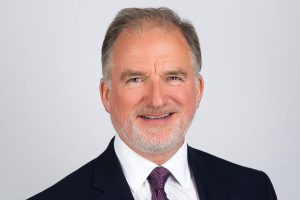
Patrick Thomson, Head of Research and Policy at the Standard Life Centre for the Future of Retirement, commented: “How you experience work is one of the biggest factors in your likelihood of having a happy, secure retirement in the future.
“At the moment, too many people are missing out on opportunities in their careers, or doing jobs that damage their health and wellbeing, limiting their ability to earn and save.
“A worrying number feel their work isn’t sustainable for the long run, and there are big differences depending on where in the country people live and work.
“We urgently need to address that to help people be in better work today, and to have better retirements tomorrow.”
Percentage of workers who are confident that they could do their current role, or one like it into their sixties and seventies:
| Region | Age 60 | Age 70 |
| Scotland | 83% | 52% |
| North East | 82% | 53% |
| North West | 82% | 51% |
| South West | 81% | 52% |
| South East | 81% | 50% |
| Greater London | 80% | 49% |
| East Midlands | 80% | 43% |
| Wales | 79% | 55% |
| Yorkshire and The Humber | 79% | 50% |
| East of England | 78% | 47% |
| West Midlands | 74% | 47% |
Workers in London ranked sixth and eighth on ability to continue doing their job at 60 and 70 but topped the list of locations where people felt they would retire at their target retirement age, potentially highlighting London as an early retirement hotspot, with higher average earnings, and a younger population who are known to underestimate their likely retirement age.
As part of the research, which surveyed 6,000 adults across the UK, the Standard Life Centre also created an overall ranking of parts of Britain based on workers’ experiences in their current jobs and expectations of staying in fulfilling employment until they are able to retire.
London ranked top for overall job satisfaction (77%), as well as satisfaction with job flexibility (82%), pay (69%), opportunities for progression (66%), and workplace pensions (64%, joint top with the North West). The North West comes in second place overall, with the South West in third.
| Region | Standard Life’s Centre ranking – longer working lives |
| Greater London | 1 |
| North West | 2 |
| South West | 3 |
| Wales | 4 |
| Scotland | 5 |
| Yorkshire and The Humber | 6 |
| North East | 7 |
| South East | 8 |
| East Midlands | =9 |
| West Midlands | =9 |
| East of England | 11 |
Patrick Thomson continued: “Over 50s are not a homogeneous group. Their experiences of work as they age are shaped by a huge range of factors throughout their lives, one of which is their local economy and job market.
“Policies to improve people’s access to good work must recognise this fact or risk reinforcing existing inequalities. We need to make sure people have opportunities at work no matter their age or where they live.

“That needs to adapt throughout life, and could involve learning new skills, help with a health condition, balancing being a carer, better flexible work, or the opportunity to shift careers entirely.”