

MORE than 140 parents, carers and support staff from across Wales and Scotland attended a recent workshop exploring why some children cope all day at school, then struggle as soon as they get home.
The online session, After the Bell: Understanding Emotional Dysregulation, was delivered by Neuropathways and The Exchange, both part of Health is One. The services have come together to support families navigating neurodiversity, in response to growing demand for support.
The session focused on what is often described as “after-school restraint collapse”, when children spend the day managing expectations, sensory input and social interaction, then release that pressure once they feel safe at home.
Emma Davies, Director at Health is One across Wales, said: “We’re hearing from more and more families who are trying to make sense of why things feel harder at home after school. Children can appear to cope well during the day, but that often comes at a cost.
“Through sessions like this, we’re helping parents understand what’s happening behind the behaviour and giving them simple ways to respond, from recognising early signs of overwhelm to building a calmer, low-demand routine after school. For many families, that understanding can make a real difference in how supported and confident they feel day to day.”

The session also shared practical ways parents and carers can support children during this transition including recognising early signs of overwhelm and building low-demand routines after school.
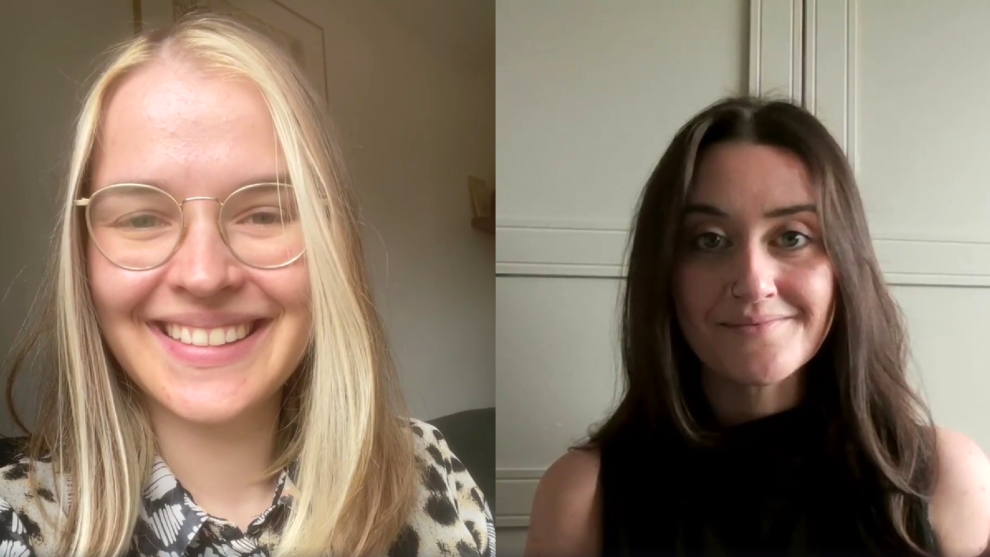
Julia Middeke, Counsellor and Assistant Psychologist, based in Neuropathways’ Swansea office, added: “A key message for parents, schools and anyone around the child is that we’re all on the same team. What happens at school shapes what happens at home, and vice versa.
“When children are supported with their sensory and regulation needs during the day, it can reduce the impact of that ‘crash’ at home for families.”
All attendees who completed the feedback survey said they would recommend the session.
One parent said: “It was such a relief to understand what’s happening after school. It made me realise we’re not alone and gave me simple things to try at home,” with another adding: “This is an excellent course for parents who have neurodivergent children.”
Following the session, a range of free resources have been made available. These include guidance on after-school routines, communication tools such as Neuro Signal Cards, and practical activities to help children understand and express how they are feeling.
A further ‘After the Bell’ session will take place on Tuesday 23rd June at 12.30pm following strong demand, with future sessions also planned on topics including supporting children before the school day begins.
The Neuropathways Clinic in Swansea is now open for referrals, with places on free sessions available to book via the website. Resources can be accessed at: neuropathwaysclinic.co.uk/resources