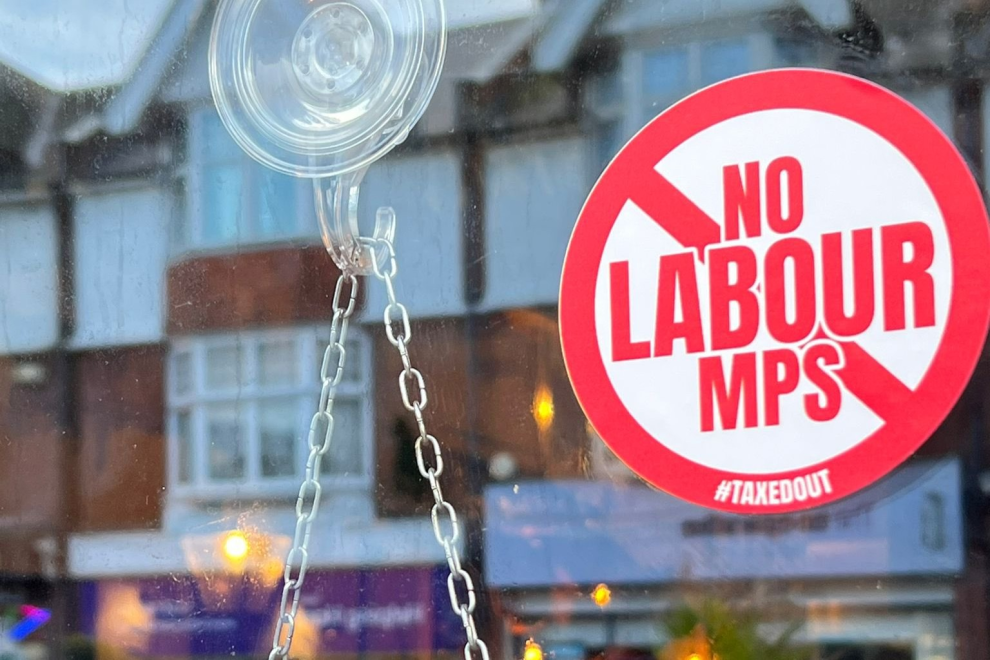
ACROSS the UK, including Wales, hundreds of publicans have put up signs declaring “No Labour MPs” outside their pubs this festive season. The protest is aimed at the Government’s handling of business rates following the Autumn Budget, which many in the hospitality sector say has left them facing cripplingly higher tax bills.
The campaign, often styled with the hashtag #TaxedOut, has gathered widespread support. More than 1,000 pubs have now joined the protest, including venues within Chancellor Rachel Reeves’s own Leeds West and Pudsey constituency, according to industry figures.
Among those barred from entry is Reeves herself, who has been told she is unwelcome at the Marsh Inn in Pudsey, a pub whose landlord had previously posed for photographs with her after the General Election.
What is the issue with business rates?
The recent Budget introduced reforms to business rates, the tax paid by commercial properties including pubs, hotels and restaurants. The Government says its changes will deliver permanently lower tax multipliers for many small and medium-sized hospitality venues, as part of a package of support worth billions.
Industry bodies such as UKHospitality and many pub owners argue that these measures fall far short of what is needed. That is because the revaluation of property values, which takes effect from April 2026, is pushing many rateable values sharply higher after being set during the pandemic. Even with lower multipliers and transitional relief, most pubs will see their overall business rates bills rise significantly in the coming years.

Recent analysis suggests the average pub could face an increase of more than £30,000 in business rates over the next three years, despite Government support, with rateable values rising by around 76%.
Pub owner Andy Lennox, who helped organise the campaign and distribute “No Labour MPs” stickers to nearly 1,000 venues, has called for a temporary cut in VAT on hospitality as well as other targeted tax relief to help struggling businesses.
The backlash in the trade
Landlords argue that rising business rates, alongside other increased costs such as higher wages and energy bills, are squeezing margins and putting some pubs at risk of closure. Some say they are being forced to raise prices just to stay afloat, making a pint “unaffordable” for customers in some areas.
At the Marsh Inn in Pudsey, landlord Martin Knowles said his pub had been hit with a substantial hike in business rates. In response, he decided to join the protest and ban Labour representatives.
Jeremy Clarkson, the former Top Gear presenter and owner of The Farmer’s Dog pub in the Cotswolds, has also backed the protest, banning Labour MPs from his establishment after his own rates bill reportedly soared.
Political reactions
The backlash has spilled into the political arena. Bournemouth East MP Tom Hayes posted a video on social media describing his ban from his local pub as “undermining the inclusive culture” that local businesses have worked to foster. He argued that politics should be kept off the high street, especially at Christmas.
Labour figures acknowledge concerns within the hospitality sector but have pointed to the Business Rates reforms and support measures introduced in the Budget as evidence of the Government’s commitment to high street businesses. The Treasury has emphasised its £4.3 billion support package, including relief for licensed premises and efforts to ease licensing rules to help venues diversify their offerings.
What comes next?
With the business rates revaluation due in April and growing discontent among hospitality owners, pressure is mounting on the Government to go further. Campaigners are urging ministers to consider cuts to VAT, broader relief on business rates, and other fiscal measures to ensure the long-term viability of pubs and other community hubs across Wales and the rest of the UK.