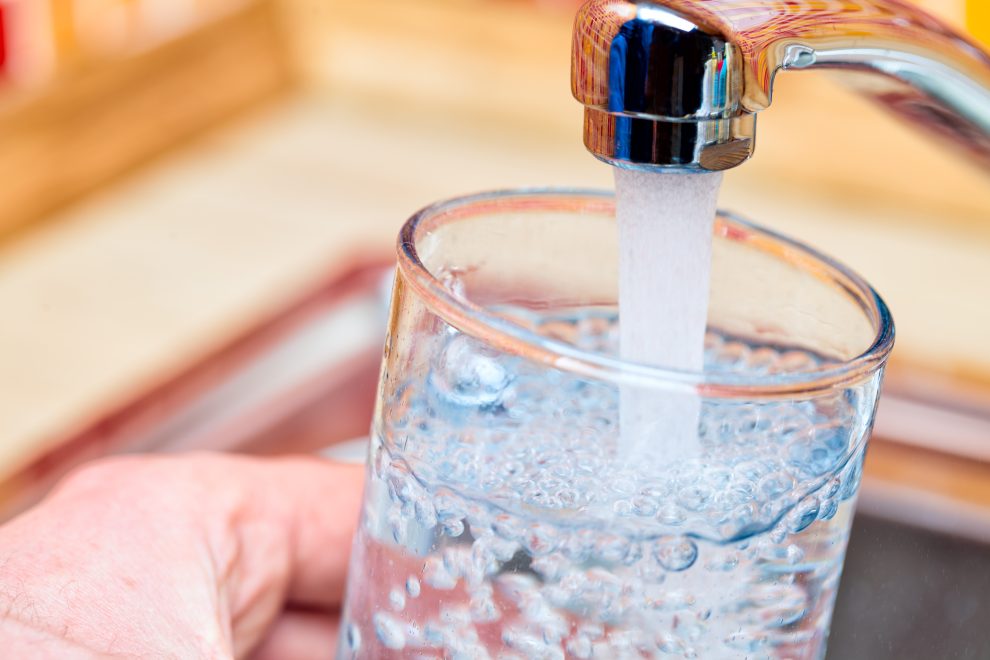

SEARCHES for ‘water filters’ in the UK have risen 20% in the past 30 days, while interest in ‘water quality’ has jumped 40%. Now, new research from Showers to You has revealed that drinking water notices have soared by 285% in just five years, painting a concerning picture of declining water quality despite the UK’s long-standing reputation for safe tap water.
The experts sent a Freedom of Information request to the Drinking Water Inspectorate (DWI) to determine the water companies and associated UK regions with the most drinking water notices in the past five years (2020-2025), as well as the contaminants behind each alert.
Key findings:
- Between 2020 and 2025, there were 379 drinking water notices issued across the UK
- Drinking water notices increased by 285%, from 34 in 2020 to 131 in 2024. In 2025, there have already been 93 notices issued, higher than 2022 and 2023 combined
- South East Water (51), Anglian Water (49), and South West and Bournemouth Water (45) recorded the highest number of notices since 2020
- Environmental scientists and spokespeople from South West and Bournemouth, South East, Thames and Yorkshire Water have commented on the findings
Welsh Water (Dŵr Cymru), which supplies 2.9 million customers, covering urban and rural areas including Cardiff, Swansea, and Powys, ranks eighth with 21 notices. Notices were largely linked to disinfection improvements and microbial contamination.
Chlorate was reported and is a by-product of the disinfection process, where it forms from chemicals like sodium hypochlorite. It can interfere with iodine uptake, which is especially concerning for vulnerable groups like infants and young children, potentially affecting thyroid function.

South East Water, whose supply covers large parts of Kent, Surrey, and West Sussex, recorded the most drinking water notices between 2020 and 2025, with 51. Notices included high nitrate levels at Cookham and Cow Wish Bottom. Nitrates in drinking water, while rare, can pose risks for infants and have been associated with an increased risk of certain cancers, which is why affected water must be treated before supply.2
Professor Andrew Johnson, Environmental Research Scientist at the UK Centre for Ecology and Hydrology, explains the risk of nitrates in drinking water: “The nitrate concerns primarily stem from a rare phenomenon known as ‘blue baby syndrome’, where excessive nitrate in drinking water can affect newborns’ haemoglobin and oxygen retention.
“This condition has been extremely rare, with no confirmed cases in the UK, and has largely disappeared in the US despite stable nitrate levels.“
South East Water’s Head of Water Quality, Neil Hudson, said: “We undertake regular monitoring of our raw water at our treatment works, storage reservoirs and at customer properties.
“In the rare times nitrate concentrations get close to the regulatory standard, we take action immediately, including enhanced monitoring, blending with lower nitrate sources, and, if required, the removal of specific boreholes or water treatment works from supply.”
Professor Nick Voulvoulis, Professor of Environmental Technology and lecturer of water quality management at Imperial College London, shares more about PFAS: “Many of the contaminants involved, from nitrates to PFAS, reflect long-standing pressures on our water environment that current treatment systems were never designed to handle.
“PFAS, the so-called ‘forever chemicals’, persist in soil and water for decades and build up in the human body, with links to cancers, thyroid disease, and weakened immune response.
“The UK still relies on advisory guidance rather than legally binding limits for PFAS, leaving a major regulatory gap.”
Pennon Group, owner of South West Water, said: “Most of the notices we’ve received are part of planned investment, which helps us keep improving our network and treatment works.
“We’re investing £1.2bn over the next five years to strengthen our water treatment systems and make sure we continue to deliver safe, high-quality drinking water for the long term.”

Showers to You’s Freedom of Information data reveals a sharp rise in drinking water notices across the UK, driven by microbial contamination, chemical pollutants, and metals such as lead and antimony. 2024 saw the largest spike in drinking notices, with 131 notices issued, a 285% increase from the 34 issued in 2020. 93 notices have already been recorded so far in 2025, higher than the number issued in 2022 (42) and 2023 (43) combined.
Martin Smith, founder of Showers to You, comments on the findings: “A 285% rise in drinking water notices in five years is deeply concerning.
“Many people assume UK tap water is always safe, but these figures show that contamination incidents are becoming far more common. From nitrates and PFAS to microbial breaches, the risks are real and growing.
“The surge in searches for ‘water filters’ and ‘water quality’ shows people are losing confidence, and that should be a wake-up call for suppliers and regulators to act faster to protect public health.”
For the complete FOI findings, please click here.