

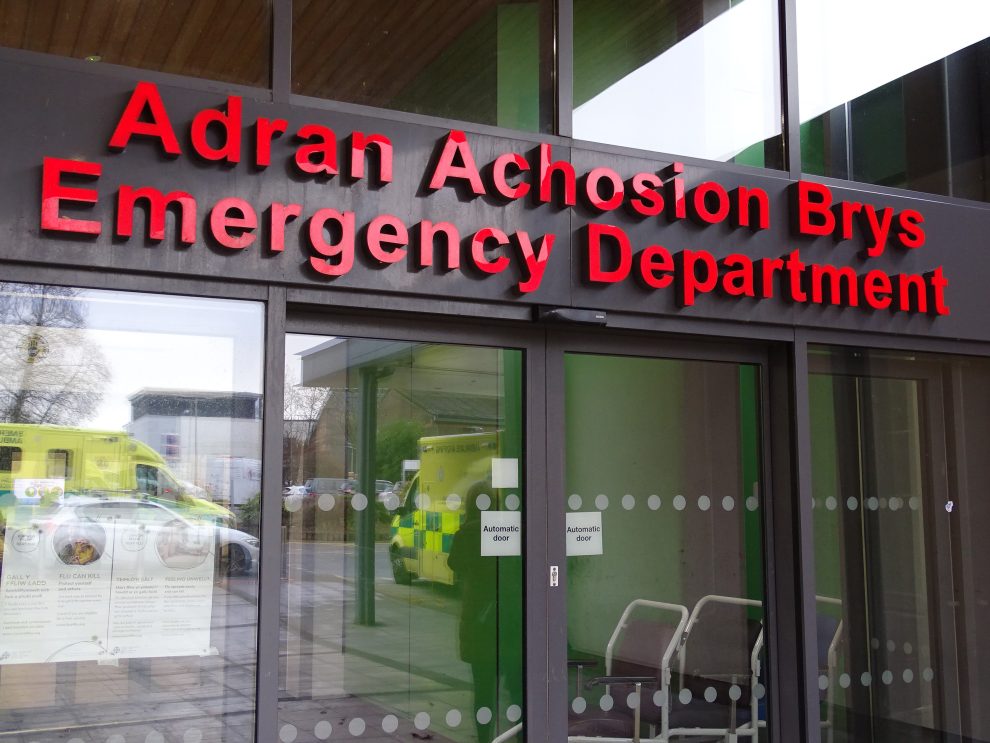

Doctors in Wales warn years of ‘neglect’ have left emergency services struggling, with one in six patients facing lengthy waits in hospital emergency departments
MORE than 11,000 patients waited longer than 12 hours in Welsh emergency departments last month, prompting senior doctors to warn that the newly elected Welsh Government must urgently address what they describe as years of neglect within the emergency care system.
New NHS Wales figures for May 2026 reveal that 11,000 patients attending major emergency departments across Wales experienced waits exceeding 12 hours before being admitted, discharged or transferred.
The figure represents 15.8 per cent of all attendances – meaning roughly one in every six patients faced what doctors described as an “unacceptably long” delay.
The Royal College of Emergency Medicine (RCEM) Wales said the situation has deteriorated significantly over the past decade, despite emergency department attendances rising by only around six per cent during that period.

According to the College, the problem is being driven not by overwhelming numbers of people attending A&E, but by wider pressures throughout hospitals, particularly a shortage of available inpatient beds and difficulties discharging patients who are medically fit to leave.
The latest statistics show an average of 1,275 patients each day remained in hospital beds despite being ready for discharge.
As a result, patients needing admission are unable to move from emergency departments into wards, causing delays to build throughout the system.
Four-hour target missed
The data also showed only 51.2 per cent of patients were admitted, discharged or transferred within four hours during May.
The constitutional target for Wales is 95 per cent.
Performance against the four-hour standard has worsened compared with the same month last year, further highlighting the continuing pressures facing emergency departments.
Dr Rob Perry, Vice President of RCEM Wales, said the impact on patients could be severe.
“The impact of long waits on patients, particularly older people and the acutely sick or injured, can be dire – and even life-threatening,” he said.
“This can’t continue and the long-term neglect of the Emergency Care system in Wales is taking its toll on the people it is there to serve.
“And, on the other side, working in such conditions is taking its toll on us – the emergency medicine staff who have to look patients in the eyes, when we know they are being let down. It’s heartbreaking.”
Call for government action
The intervention places fresh pressure on the new Welsh Government, led by Plaid Cymru, to outline how it intends to tackle longstanding NHS performance issues.
Dr Perry called for urgent action to improve patient flow through hospitals, arguing that reducing delayed discharges would have an immediate impact on emergency department waiting times.
Among the measures proposed by RCEM are seven-day discharge services, increased social care capacity and greater responsibility across hospital departments for ensuring patients move efficiently through the system.
“We need urgent action; we need to know what plans the new Plaid Cymru government have to tackle patient flow in our hospitals,” Dr Perry said.
“Getting this right will save lives.
“The government should consider how best to tackle the root causes of overcrowding in our departments – such as delayed discharges.”
Wider NHS pressures
The figures come amid continuing concern over NHS waiting times across Wales and follow recent announcements of additional funding aimed at reducing treatment backlogs.
However, emergency medicine specialists argue that emergency departments are increasingly bearing the consequences of wider pressures elsewhere in the health and social care system.
RCEM says overcrowding in emergency departments is not simply an A&E issue but reflects problems throughout the healthcare pathway, including shortages in social care provision and difficulties finding appropriate placements for patients ready to leave hospital.
The College believes addressing these bottlenecks could significantly reduce the number of patients forced to spend many hours waiting on trolleys or in chairs within busy emergency departments.
With more than one in six emergency patients now waiting beyond 12 hours and performance against the four-hour target continuing to decline, the latest figures are likely to intensify scrutiny of how the Welsh Government plans to improve emergency care services in the months ahead.