


Union warns of potential impacts on farming, rural services and long-term funding
THE FARMERS’ Union of Wales (FUW) has reiterated its concerns over proposals to establish a new National Park in North East Wales, warning of potential implications for farming businesses, rural communities and already stretched public services.
Following extensive engagement with members who live and work within and around the proposed boundary, the FUW has submitted a further consultation response to Natural Resources Wales outlining its reservations about the proposed Glyndŵr National Park.
A key concern highlighted by the Union relates to the long-term funding and governance of a new National Park Authority. While proposals suggest funding would come from Welsh Government grants and a levy on local authorities, the FUW says members remain unconvinced that this would offer sufficient stability in the long term, particularly given ongoing pressures on public finances and existing National Park budgets.
The Union has warned that additional financial responsibilities could place further strain on local authorities, with knock-on effects for services relied upon by rural communities.
Planning and development issues also remain a major concern. FUW members say experience from existing National Parks suggests that planning processes can become more complex and time-consuming, potentially affecting essential farm infrastructure, diversification projects and regulatory compliance.

As farming businesses prepare for the transition to the Sustainable Farming Scheme, the Union has stressed the need to avoid introducing further barriers or inconsistencies in planning policy.
Concerns have also been raised about restrictions on on-farm renewable energy developments in some National Parks, which the FUW says could limit opportunities for farms to improve efficiency and contribute to wider environmental goals.
Housing affordability is another issue flagged by members, particularly the potential impact of National Park designation on local housing markets. The Union says this could affect local families, young farmers and multi-generational farm businesses trying to remain rooted in their communities.
While acknowledging the economic benefits tourism can bring, FUW members have warned of added pressure on rural infrastructure in designated areas, including parking, road safety, emergency services and rural crime. Without adequate resourcing, they fear increased visitor numbers could exacerbate existing challenges and raise costs for farming businesses.
The FUW maintains that many of the environmental and landscape objectives linked to National Park status could instead be delivered through partnership working and existing policy mechanisms.
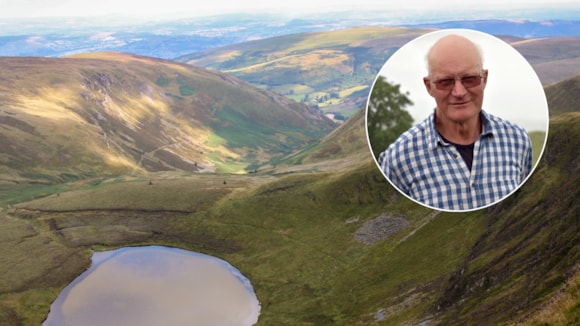
Tim Faire, chair of the FUW Land Use and Climate Change Committee, said there were still significant unanswered questions.
“There remain serious concerns about how a new National Park would be funded and managed over the long term, and what the real-world implications would be for farming businesses and local communities,” he said.
“Many rural areas already face pressure on infrastructure and local facilities, which may struggle to cope with the additional demands a National Park designation could bring. Further regulations and restrictions could also hinder farm development and diversification.
“While we fully recognise the importance of protecting our landscapes, we believe the current National Landscape designation already provides a strong foundation. Future land management objectives are likely to be more effectively achieved through local engagement and existing policy mechanisms, without introducing another costly and complex layer of designation.”