

Welsh arrests now deemed unlawful as judges rule proscription breached human rights
THE High Court has ruled that the UK Government acted unlawfully when it branded protest group Palestine Action a terrorist organisation – a decision that directly affects dozens of arrests made in Wales.
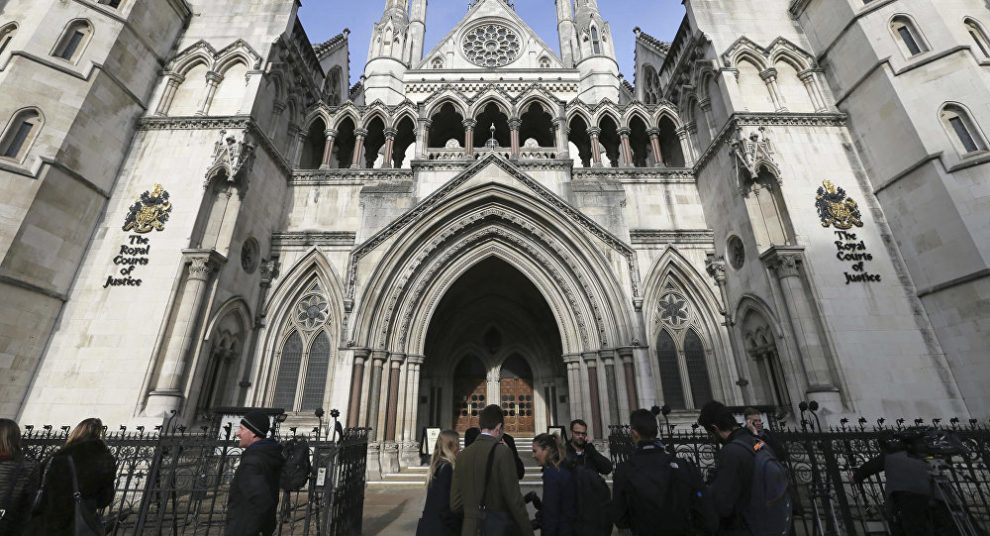
In a landmark judgement delivered on Thursday (Feb 13) at the Royal Courts of Justice in London, judges said the ban represented a disproportionate attack on the rights to free speech and peaceful assembly.
The ruling means arrests made under the proscription since last summer could now be unlawful.
Campaigners say at least 34 people were detained in Wales alone.
Palestine Action had been banned under the Terrorism Act 2000 in July 2025, making it a criminal offence to show support for the group. The move marked the first time a non-violent civil disobedience organisation focused on property damage – rather than violence against people – had been classified alongside terrorist groups.

Welsh protesters affected
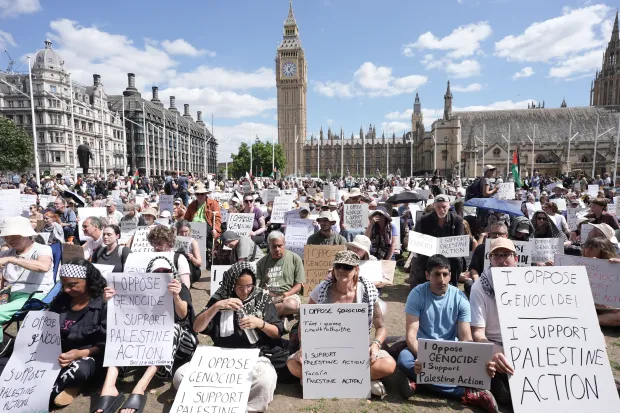
Demonstrations took place across Wales as part of the nationwide “Lift the Ban” campaign organised by Defend Our Juries.
Silent vigils and placard protests were held in both Cardiff and Swansea.
Campaign figures show:
• 13 arrests outside BBC Wales headquarters last July
• 12 more during November protests in Cardiff
• Nine detained on the steps of the Senedd Cymru
Across the UK, nearly 3,000 people were arrested, including clergy, teachers and pensioners.
Court criticism of Home Office
The case was brought by Palestine Action co-founder Huda Ammori.
After a three-day judicial review, judges Dame Victoria Sharp, Jonathan Swift and Karen Steyn found the Home Office had failed to properly consult the group and had not followed its own proportionality rules.
They ruled the ban breached Articles 10 and 11 of the European Convention on Human Rights – protections covering freedom of expression and assembly.
In a statement, Ammori said:
“This is a monumental victory both for our fundamental freedoms here in Britain and for the Palestinian people.”
A Defend Our Juries spokesperson added:
“Branding peaceful protest as terrorism is something you expect from dictatorships, not democracies.”
Border links to Wales
The issue has particular relevance locally.
Palestine Action has frequently targeted sites near the Welsh border, including facilities run by Elbit Systems at Filton and Aztec West, less than thirty miles from Cardiff.
Activists allege the company supplies drones and equipment used in Gaza.
Six protesters were recently acquitted by a jury following damage at the Filton site, arguing their actions were intended to prevent greater harm overseas.
That proximity has drawn many Welsh campaigners into demonstrations, with protests spilling into Wales amid wider concerns over UK arms exports.
Appeal pending
The Government has been granted time to appeal.
Home Secretary Yvette Cooper said ministers were “disappointed” and would challenge the decision at the Court of Appeal.
The quashing of the ban has therefore been temporarily paused.
Legal experts warn that while the judgement casts doubt on earlier arrests, individuals may still need separate legal action to clear records or seek compensation.
Wider implications
Civil liberties groups including Amnesty International had warned the proscription risked setting a precedent for using anti-terror laws against non-violent movements such as climate activists.
For many in Wales, the ruling is seen as a reaffirmation of the right to protest.
One Cardiff campaigner said:
“This was never about supporting violence. It was about the right to stand up and speak out.”
With tensions over Gaza continuing and further demonstrations planned, Thursday’s decision is likely to reignite debate over the limits of protest — and how far the state can go to suppress dissent.
For now, however, activists say the High Court has drawn a clear line.
Peaceful protest, judges ruled, is not terrorism.