

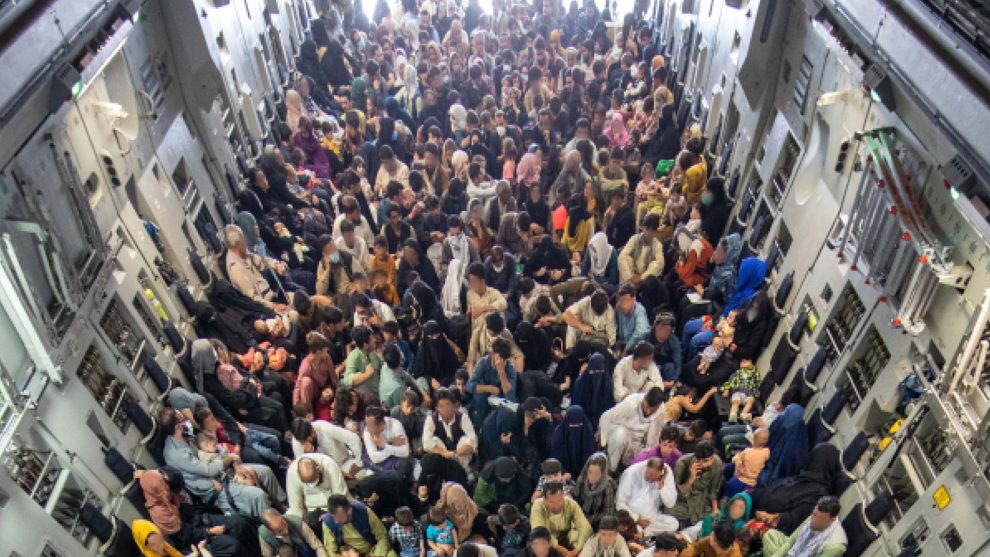

A MAJOR data breach by a UK special forces official exposed almost 19,000 Afghans to potential Taliban reprisal and forced the creation of a secret, £800 million relocation scheme — now made public after a super-injunction was lifted.
The spreadsheet, sent in error from the UK special forces base at Regent’s Park Barracks in February 2022, contained names, contact details, and in some cases information on family members and MPs supporting their applications under the Afghan Relocations and Assistance Policy (ARAP) and ex gratia schemes. The Ministry of Defence did not report the breach, and it remained hidden from the public and Parliament for over a year.
The super-injunction prevented the press from reporting the breach or the existence of the Afghanistan Response Route (ARR) — a secret relocation programme created in 2024 to bring at-risk Afghans to the UK.
Defence Secretary John Healey lifted the gagging order in Parliament on Monday (July 15), admitting that 18,714 people had their data leaked and that only some had been contacted due to outdated or incomplete information.
£800 million cost and apology
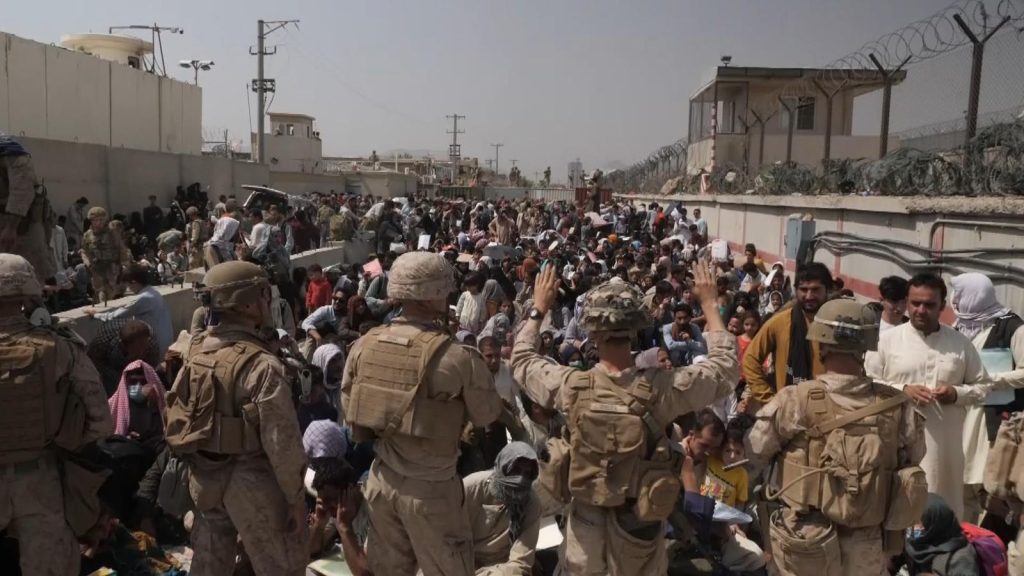
worked Healey told MPs that 900 Afghans and 3,600 family members had so far been brought to the UK under the ARR scheme, with £400 million spent and a similar amount allocated to cover those still to arrive. Legal costs and compensation are expected to drive the total cost towards £850 million.

“This serious data incident should never have happened,” Healey said. “It may have occurred under the previous government, but to all those whose information was compromised, I offer a sincere apology today on behalf of the British government.”
He said affected individuals can now visit a new gov.uk portal with a self-checker and security advice. However, many remain uncontactable.
Healey said Britain had “honoured the duty we owe” to those whowith UK forces, adding: “This is their chance to rebuild their lives… and share in the prosperity of our great country.”
Judge criticises delay in ending secrecy
In his published ruling, Mr Justice Chamberlain said he believed the injunction should have been lifted a year ago, but was overruled by the Court of Appeal. He noted that eight journalists and media outlets were silenced, including Larisa Brown, defence editor of The Times, who first uncovered the story.
The judge praised the media for exercising restraint but said, “No government could take such decisions lightly, without sound grounds and hard deliberations.”
Limited risk, says review — but impact ongoing
A review by former intelligence official Paul Rimmer concluded that Taliban reprisals were more likely linked to current activity than past UK affiliations. While atrocities still occur, the leaked dataset was unlikely to significantly increase targeting risk.
The Taliban already have extensive access to Afghan government data and likely knew many of the identities already. The ARR scheme, the review said, was a “significant intervention” for what may have been a “limited net additional risk.”
‘Appalling mismanagement’ of Afghan withdrawal
Labour MP Louise Jones, who served in Afghanistan in 2017, condemned the government’s failure to prepare for the consequences of the fall of Kabul.
“I was appalled to watch the chaotic mismanagement… This was a situation I feared would happen and could see coming even when I served in Afghanistan.”
She said ministers had “plenty of warning” and failed to act.

Tories also express regret
Former defence minister James Cartlidge joined Healey in apologising to Afghans whose data was compromised, saying:
“The immediate priority of the then-government was to avoid a very specific and terrible scenario — namely, torture or even murder of persons in the dataset at the hands of the Taliban.”
The ARR scheme was, he said, a necessary response to an unprecedented situation. He supported its closure now based on the review’s conclusions.
36,000 Afghans admitted under all schemes
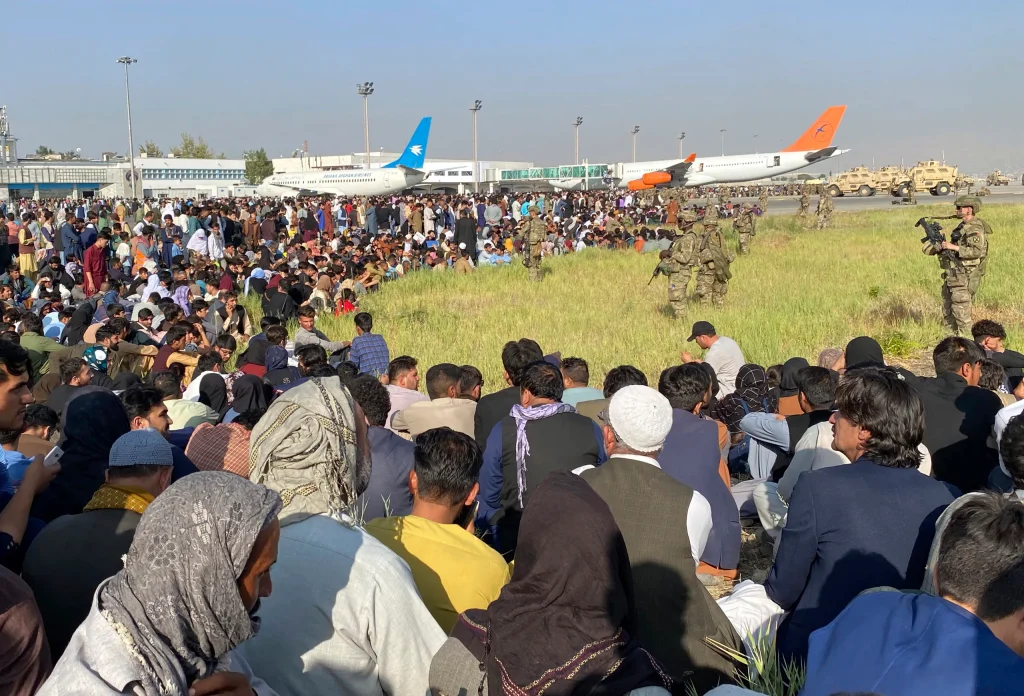
Healey confirmed that across all programmes, 36,000 Afghans have been relocated to the UK since the fall of Kabul.
He added that not being able to inform MPs about the ARR due to legal restrictions had been “deeply uncomfortable” — a sentiment that appears widely shared across the House.