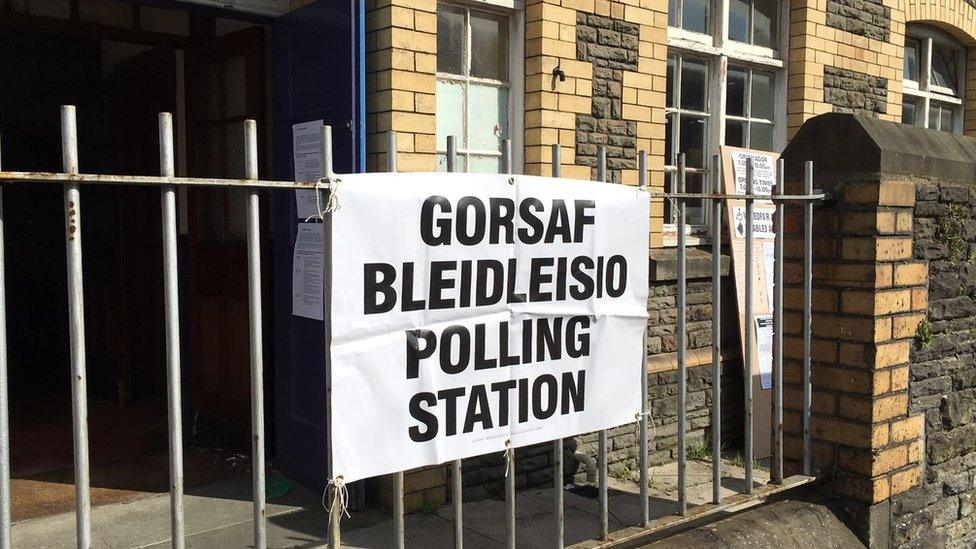
By all accounts, a Welsh parliament byelection in Caerphilly would usually pass largely unnoticed, its rolling green hills and post-industrial townscapes rarely making national headlines. Yet next month’s vote in this south Wales constituency is attracting attention far beyond its borders, with analysts suggesting it could have implications across the UK.
Apologising for the cliché, Dr Jac Larner, a polling expert at Cardiff University and native of Caerphilly, described the contest as potentially the “canary in the coalmine” for a profound political transformation in Britain.
Polling indicates that Welsh Labour could be overtaken by a surge from both the right, represented by Reform UK, and the left, in the form of Plaid Cymru. Should this scenario unfold, the repercussions would be felt not only in Cardiff but from London to Edinburgh and everywhere in between.
“Labour is facing an existential crisis in Wales that threatens to end over a century of political dominance,” Larner said. “To understand the magnitude of this collapse, consider Labour’s unparalleled Welsh heritage. Wales is the home of its first leader, Keir Hardie, and its spiritual leader, Aneurin Bevan, and by the next Senedd election [in 2026] it will have been 103 years since Labour was not the largest party in a major Welsh election – the longest such streak of any party anywhere in the world.”
Larner added that a strong showing for Reform in Caerphilly would underline the thesis that Nigel Farage’s party is reshaping the UK’s political landscape. Other parties could also benefit: “The SNP could capitalise on Labour struggles in Scotland, or the Liberal Democrats and Greens could gain in England,” he said.

The main route through Caerphilly passes the country’s largest castle and a bronze statue of the magician and comedian Tommy Cooper. Three campaign offices line this thoroughfare, as Labour, Reform, and Plaid all seek to make their presence felt.
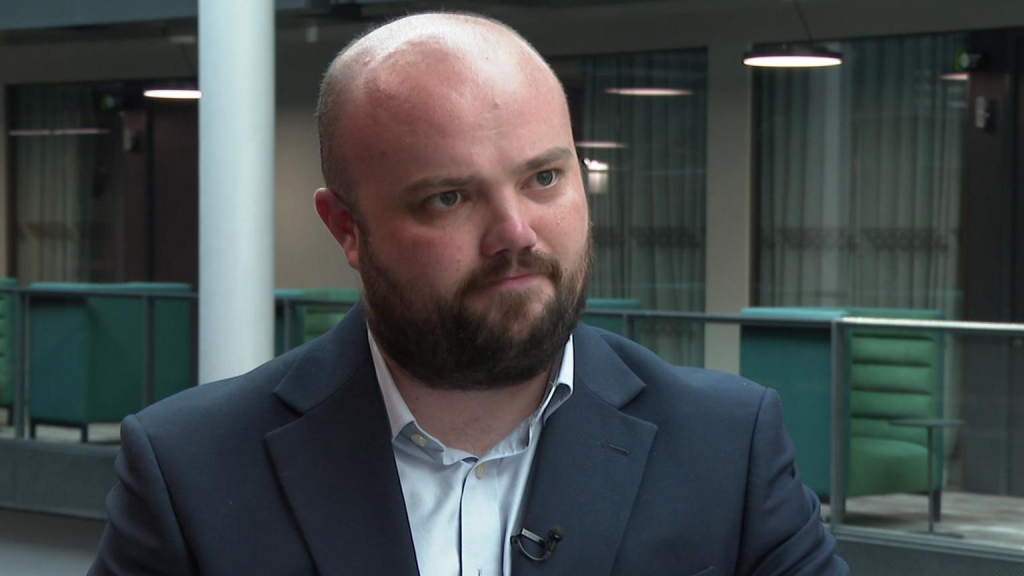
A visit to the town revealed a stark contrast between the offices of the two leading contenders. At the Reform base, visitors are met by a staff member with the air of a bouncer rather than a receptionist. Candidate Llŷr Powell was present but had little time to speak. Campaign leaflets called on voters to “Stop Labour and Plaid Cymru’s mass immigration agenda.” Although migration is not a devolved issue, Reform opposes the Welsh government’s “nation of sanctuary” plan, which provides housing and employment support for refugees.
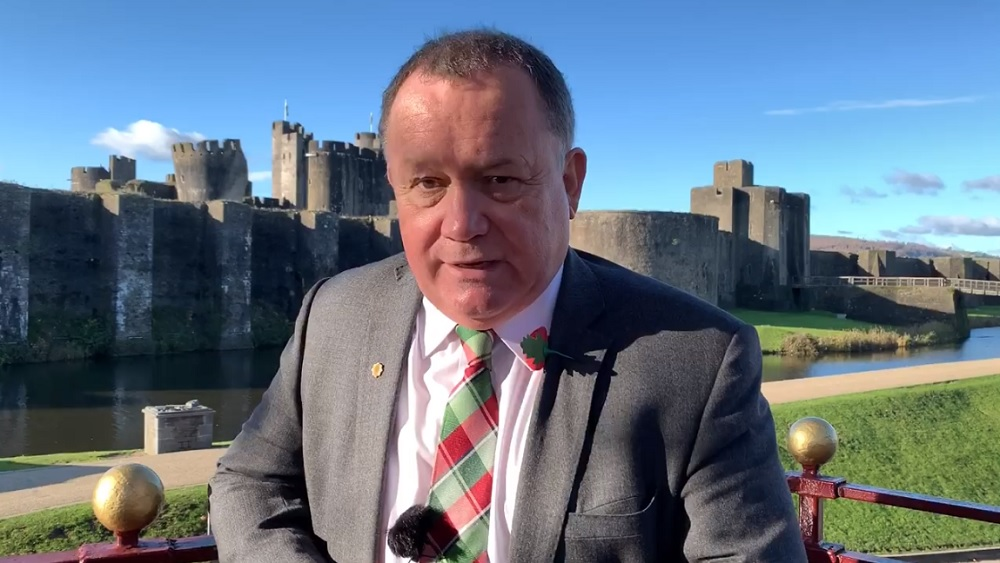
By contrast, Plaid’s office exuded warmth. Lindsay Whittle, a local councillor for 50 years and the party’s candidate, greeted visitors personally. He described this as the most upbeat Plaid campaign in the area since the 1968 Caerphilly byelection, when the party slashed Labour’s majority from more than 21,000 to fewer than 2,000.
Recalling the era’s protest songs and Prague Spring graffiti on the castle walls, Whittle said: “Exciting times!” Plaid leader Rhun ap Iorwerth brought the focus back to the present, highlighting the historic nature of the shift. “This is an area linked most with Labour dominance, not for 10 or 20 years, but over a century,” he said. “And we are seeing a change of historic proportions.”
Ap Iorwerth argued that Labour and the Conservatives had lost touch with local communities, leaving a vacuum that Plaid was prepared to fill. He also dismissed Reform’s focus on migration: “Migration isn’t even devolved to Wales. This is the sowing and perpetuating of divisions and tensions.”
Reform’s presence has unsettled some locals. A shopkeeper, who recently moved to Caerphilly from the Middle East, admitted: “It makes us feel scared when we see them here. We are contributing, paying our taxes but we see the leaflets and it worries us.”
Meanwhile, residents like Cath expressed disappointment with Labour. “I voted for [Starmer] and had every hope for him. I feel let down by him,” she said. Yet she too was wary of Reform. “They just tell people what they want to hear.”
Others, however, welcomed Reform’s message. The Piccadilly pub, displaying Reform posters in its windows, is set to host a “community event.” Landlady Christine said: “I believe we need change. I hope they put a spoke in some wheels.”
Labour’s fortunes in Wales have plunged since Vaughan Gething resigned as first minister last year amid a donations scandal. His successor, Eluned Morgan, has struggled to distance Welsh Labour from the increasingly unpopular UK party.
A YouGov poll shows only 14% of voters would choose Labour in the next Senedd elections, compared with 30% for Plaid and 29% for Reform UK. Conservatives trailed on 11%. Laura McAllister, a professor at the Wales Governance Centre, said Welsh Labour is gripped by fatigue and frustration. “Having been in power for so long, the party hasn’t been able to reinvent itself, modernise itself, refresh itself.”
Political commentator Will Hayward added that any Reform success in Wales would enable the party to expand its operational capacity across the UK.
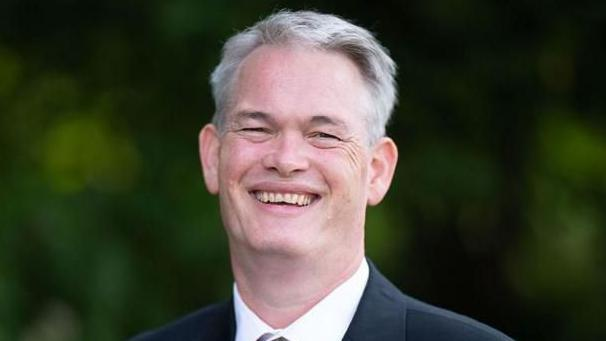
Labour’s candidate in Caerphilly, political newcomer Richard Tunnicliffe, runs a Welsh-language publishing business and was thrust into the campaign following the death of his friend Hefin David, who had represented the constituency since 2016.
Labour has sought to undermine Reform, labelling Powell as Farage’s “puppet” and questioning Plaid’s record. Yet Tunnicliffe’s endorsement of Starmer was cautious. Asked if the UK prime minister listened to people, he replied: “I think he is having to listen to people.”
Tunnicliffe has positioned himself as a voice willing to challenge his own party, notably opposing plans to close libraries under Labour-controlled local authorities. “People want change, not tribalism,” he said. “People feel things have been going backwards. People are feeling they’re not listened to, things have been done to them, not with them.”
In Caerphilly, and perhaps across the UK, that refrain may echo loudly in the years ahead.
Full list of candidates:
- Conservatives – Gareth Potter
- Green Party – Gareth Hughes
- Gwlad – Anthony Cook
- Labour – Richard Tunnicliffe
- Plaid Cymru – Lindsay Whittle
- Reform UK – Llŷr Powell
- UKIP – Roger Quilliam
- Welsh Liberal Democrats – Steve Aichele