


KEMI BADENOCH has called for the abolition of the legal duty requiring public bodies to consider equality when making decisions.
The Conservative leader said the Public Sector Equality Duty had become a burden on schools, hospitals, police forces and councils, claiming it had allowed “dangerous and divisive agendas” to take hold across public services.
The duty, introduced under the Equality Act 2010, applies to public authorities in England, Scotland and Wales. It requires them to have due regard to the need to eliminate discrimination, advance equality of opportunity, and foster good relations between people with and without protected characteristics.
Those protected characteristics include age, disability, race, sex, pregnancy and maternity, religion or belief, and sexual orientation.
Badenoch said the duty had created a “minefield” around public decision-making, leaving major decisions vulnerable to legal challenge.

Speaking on BBC Radio 4’s Today programme on Tuesday morning, she said the public sector aspect of the Act had failed to allow for “common sense”.
She said people in public services had become scared to do their jobs properly “in case they were called racist”.
The Conservatives say the proposal is part of a wider programme to “restore common sense” in public life. The party argues that the equality duty has encouraged diversity, equality and inclusion bureaucracy, ideological box-ticking, and confusion within public services.
Shadow equalities minister Claire Coutinho said public bodies were increasingly “obsessing” over equality rather than focusing on their core duties.
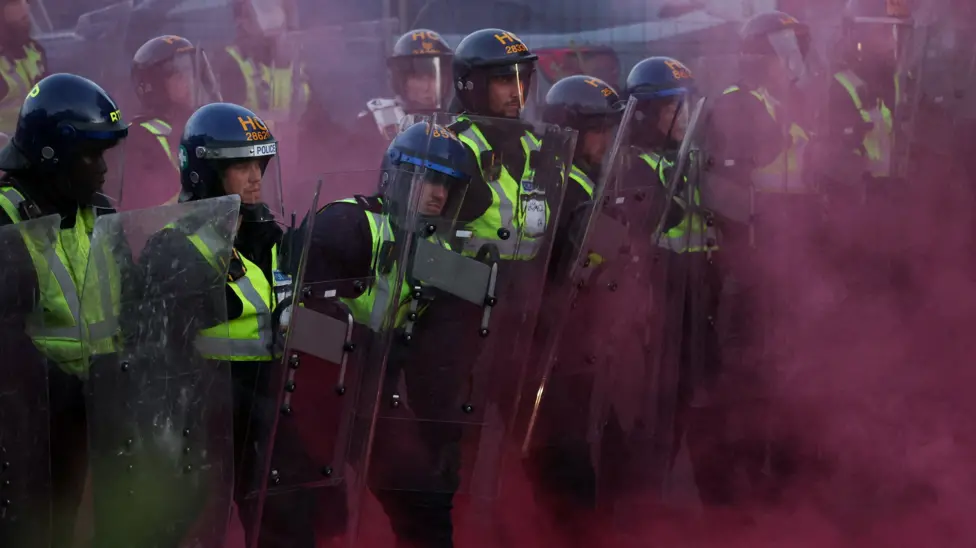
She said police officers, in particular, were being forced to make difficult decisions while navigating equality guidance that could cloud their judgement.
Haverfordwest
Badenoch also referred to a number of high-profile cases, including the Nottingham attacks carried out by Valdo Calocane, the fatal stabbing of an 18-year-old Henry Nowak in Southampton by Vickrum Digwa, and the Manchester Arena bombing carried out by Salman Abedi.
Calocane, who killed three people in Nottingham in June 2023, has strong links to Pembrokeshire. He was from Haverfordwest, attended Sir Thomas Picton School, now Haverfordwest High VC School, and his parents still believed to live in the town.
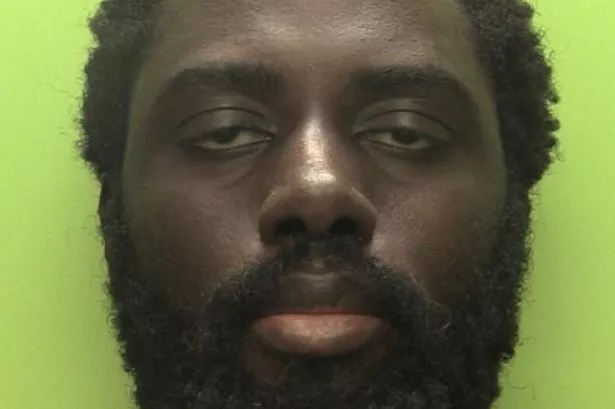
The case remains highly sensitive, with previous criticism focused on police and health service failings in the lead-up to the killings. Badenoch suggested such cases had fuelled concerns that frontline agencies had become too cautious in exercising judgement for fear of accusations of discrimination.
Badenoch was also in Pembrokeshire last month, visiting Pembroke Refinery, where she spoke to The Herald about the upcoming Senedd elections.
Political divide
The Equality and Human Rights Commission defended the duty, saying it helps public bodies make better decisions by considering the impact of their actions on all those affected.

The issue has become a dividing line between the main political parties. Reform UK has said the Conservatives are not going far enough, arguing that the Equality Act itself should be scrapped.
The Liberal Democrats accused Badenoch of trying to reignite culture war politics, while Labour is preparing to publish a new equality and diversity strategy focused heavily on class and socio-economic background.
The government says its plan will aim to improve access to the civil service for people from working-class and regional backgrounds, and address the over-representation of people from wealthier families in senior public roles.
The Public Sector Equality Duty has previously been used in legal challenges against councils and government departments, including cases involving library closures, care home fees, and the Home Office’s treatment of the Windrush generation.