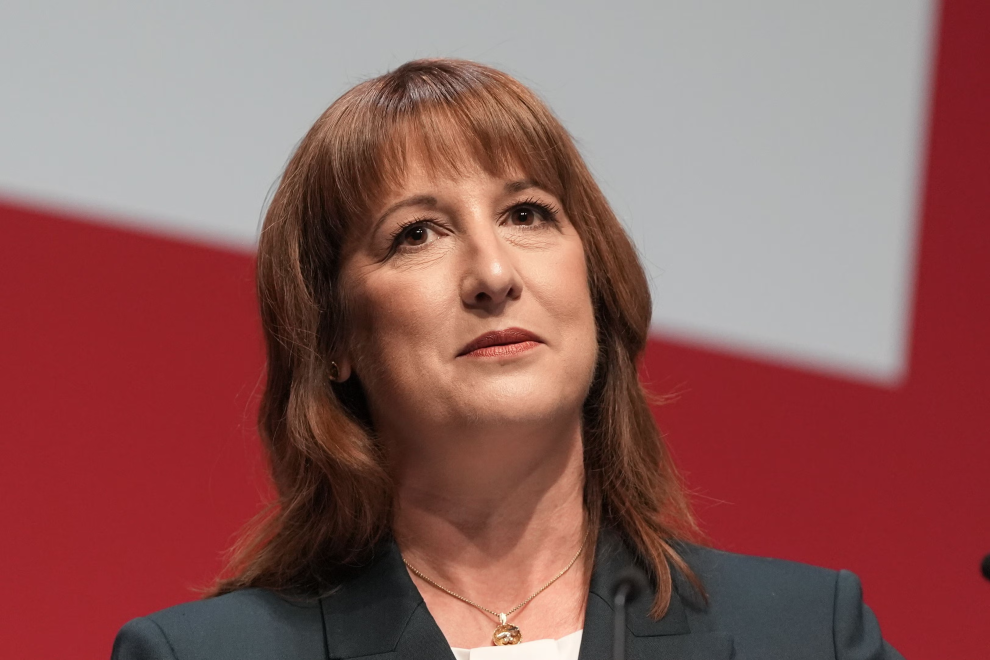

CHANCELLOR RACHEL REEVES is expected to address the nation later today, signalling that the national interest could take precedence over political promises and hinting at a potential income tax rise in the forthcoming Budget. Speaking from Downing Street, Reeves is set to emphasise the need to stabilise public finances and put the country on a more sustainable footing.
Asked in advance whether she would consider breaking Labour’s manifesto pledge not to raise income tax, even if it jeopardised the party’s electoral prospects, Reeves has indicated that difficult decisions may be unavoidable. “We have got to do the right thing,” she said. “If you’re asking what comes first, the national interest or political expediency, it’s the national interest every single time for me and it’s the same for Keir Starmer too.”
Labour officials stressed that no final decision has been made. Reeves is reportedly weighing how to plug a fiscal shortfall of around £30 billion without breaching a key manifesto commitment. Her speech, coming just three weeks ahead of the Budget on 26 November, is expected to prepare both the public and her party for potentially tough tax choices.
Markets are bracing for any fallout. Analysts suggest that investors will be watching gilt prices and sterling closely for clues on fiscal policy.
Reeves’ address is likely to combine a public warning with an economics lesson for Labour MPs, highlighting the importance of tackling debt to reduce borrowing costs and ultimately free up resources for public services and tax relief. She has noted that one in ten pounds of taxpayers’ money currently goes towards servicing the national debt. “It’s important everyone, public and politicians, understand that,” she said.

The chancellor’s fiscal framework aims to see government debt falling year on year by the end of the decade. In the near term, however, she is overseeing a significant deficit. Reeves is also expected to defend welfare reforms, noting that Labour MPs who opposed £5 billion of welfare cuts should recognise that “there is nothing progressive about a benefits system that leaves one in eight young people not in education or employment.”
In part, Reeves is expected to place responsibility for the economic situation on the previous Conservative government. Official forecasts, she says, will sharply downgrade expected productivity growth, with Tory austerity measures, Brexit, and a decade of reduced public investment contributing to the fiscal challenge. “I have to respond to the world as it is, not as I would want it to be,” she said.
Reeves is set to stress that her Budget will reflect “Labour values”, rejecting deep austerity cuts while protecting vital services such as the NHS. She is also expected to indicate plans to strengthen the government’s fiscal “headroom” to safeguard against future economic shocks, suggesting that tax rises could be the primary tool to address the budget gap.
Within Treasury circles, raising income tax by 1p across the basic, higher, and additional bands is considered the simplest way to generate over £10 billion. Yet, the political risks for Labour are significant. Reeves and Prime Minister Sir Keir Starmer are reportedly weighing whether a series of smaller tax measures could achieve the same goal with less public backlash.
The chancellor has repeatedly declined to rule out an income tax rise. “If we are to build the future of Britain together, we will all have to contribute to that effort,” she said. “Each of us must do our bit.” She has added that any increase would be guided by fairness, taking care not to overburden entrepreneurs and wealth creators. “We will seek to get that balance right,” she said.
Tory shadow chancellor Sir Mel Stride has criticised Reeves’ anticipated speech. “Rachel Reeves has made an emergency speech because she is panicking about the speculation she has fuelled. But all she’s done is confirm the fears of households and businesses — that tax rises are coming.