

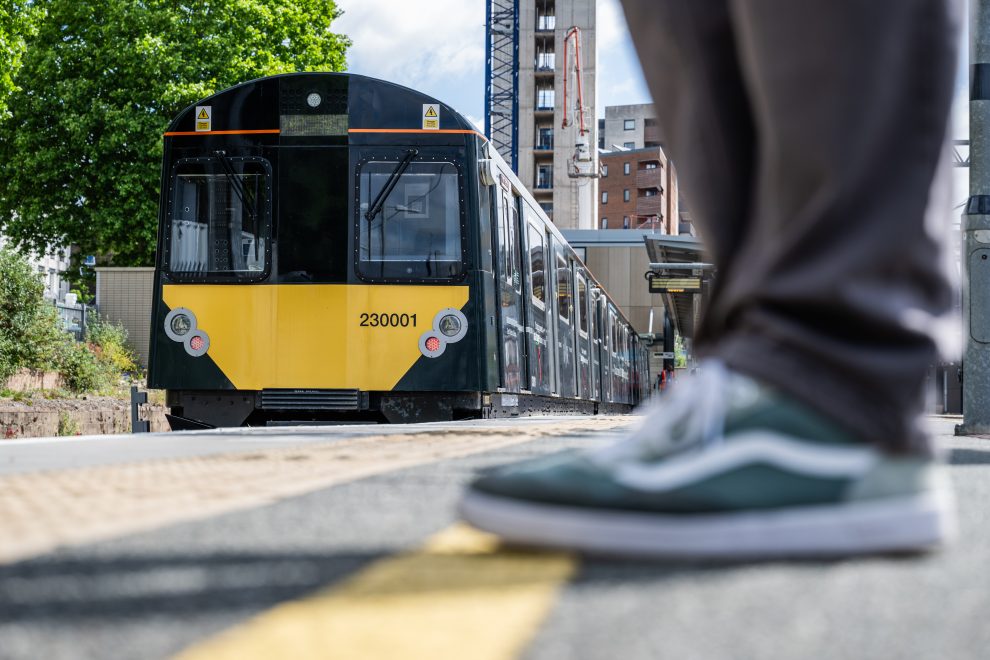

World-first battery-only train replaces diesel service as GWR takes major step toward greener rail travel
GREAT WESTERN RAILWAY (GWR) is set to make rail history this weekend by introducing the UK’s first battery-only powered passenger train into public service.
The record-breaking Class 230 battery train will begin carrying passengers on Saturday, January 31, replacing a diesel service on the Greenford branch line, starting with the 5.30am departure from West Ealing to Greenford.
The train has spent the past 22 months undergoing successful fast-charge technology trials, marking a major breakthrough in low-carbon rail transport.
Last year, the train also set a new world record for the longest distance travelled by a battery-electric train on a single charge, covering 200.5 miles — surpassing the previous record of 139 miles set in 2021.
GWR Engineering Director Dr Simon Green described the move as a major milestone for the rail industry.

“This is a significant moment for all those involved in this innovative project and comes at a crucial time as we focus on plans to replace our ageing diesel fleet.
Our fast-charge trial has demonstrated that battery technology offers a reliable and efficient alternative where overhead lines aren’t possible or desirable.”
He said bringing the train into passenger service would provide vital operational data to support GWR’s decarbonisation plans and the wider rail industry’s transition away from diesel. Dr Green also paid tribute to the late Adrian Shooter, whose vision helped drive the project forward.
Network Rail’s Western route director Marcus Jones said the introduction of the train marked a turning point for sustainable transport in Britain.
“We’re delighted to see this record-breaking battery train move into passenger service, representing a major step forward for sustainable rail travel.
Rail is already the greenest form of public transport, and battery-powered trains will play a crucial role in achieving a low-emission railway and reaching net-zero by 2050.”
He praised the collaboration between GWR and Network Rail teams, including the installation of fast-charge battery banks and safety systems needed to support passenger services.
GWR published a White Paper last July detailing the findings of the fast-charge trial, showing how discontinuous charging at station stops can support battery-electric services.
As part of its future rolling stock strategy, the operator says battery trains will need to routinely cover more than 60 miles between charges, with the record-breaking trial proving the technology is now a viable option for the UK rail network.
GWR is currently working with the Department for Transport and other train operators to build the financial case for wider investment in battery-powered trains.
The train, numbered 230001, will initially operate on Saturdays only, with services expected to increase during the year as GWR gathers performance data and prepares for wider deployment.