

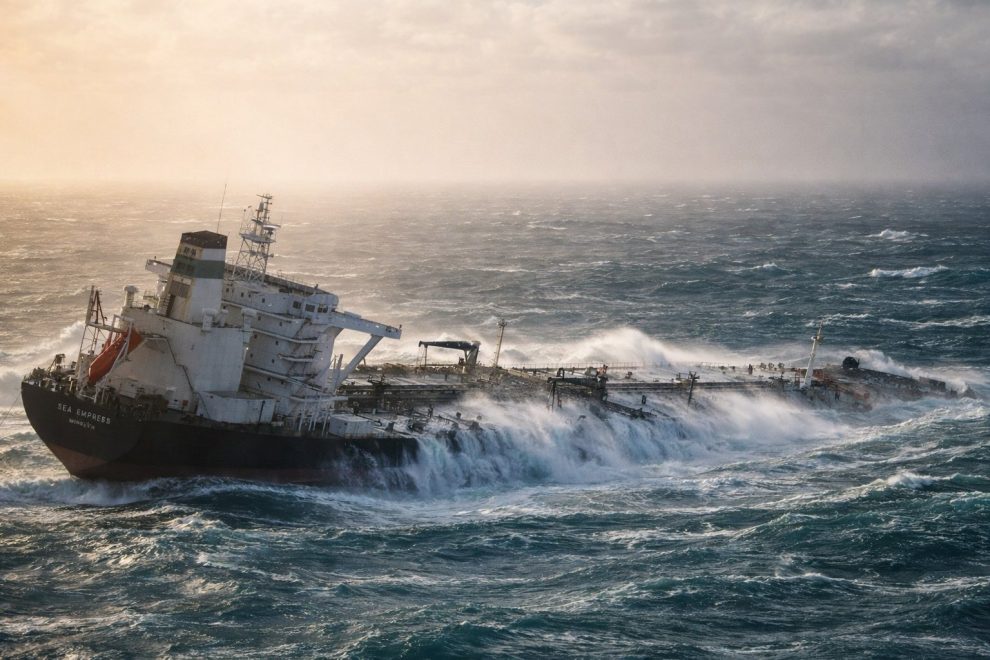

Human error, storm conditions and salvage decisions combined in one of Britain’s worst maritime disasters
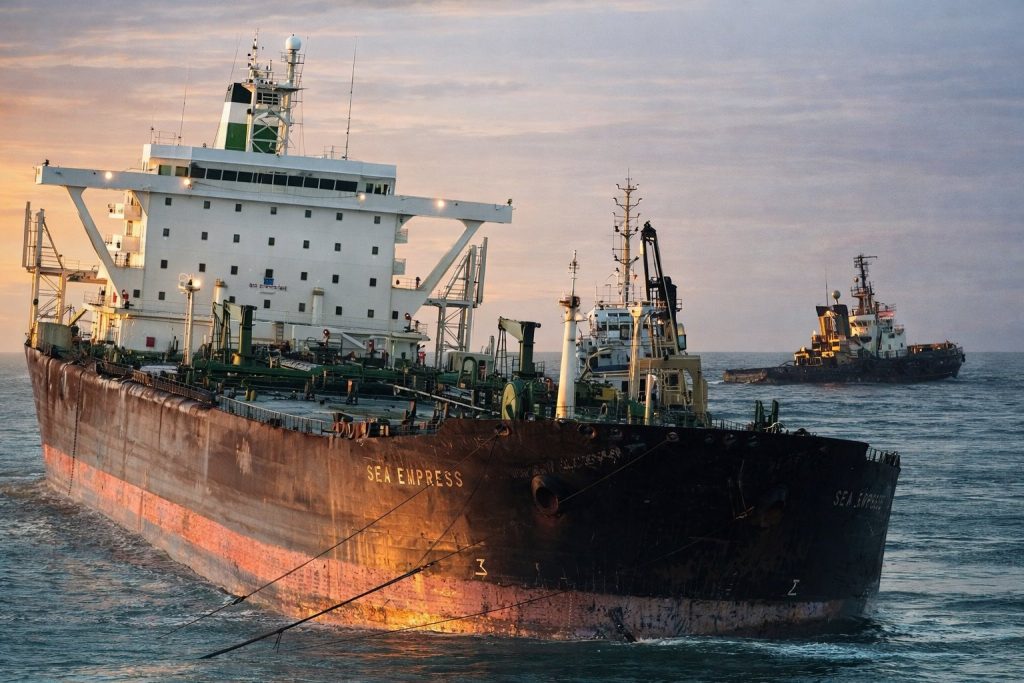
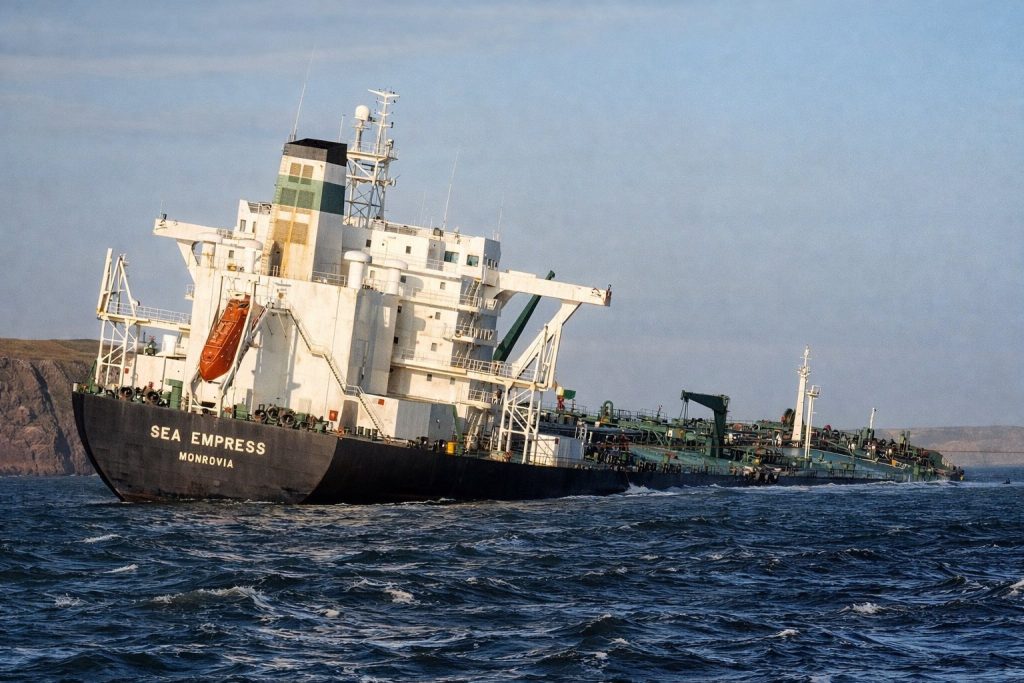
THIRTY years ago this week, the oil tanker Sea Empress ran aground while entering Milford Haven, triggering a maritime emergency that would ultimately reshape safety procedures in one of the UK’s most important ports.
On the evening of February 15, 1996, the Liberian-registered tanker was inbound to the Texaco refinery carrying approximately 130,000 tonnes of North Sea crude oil when it struck rocks at the entrance to the Haven.
What followed was a complex and dangerous salvage operation carried out in severe weather, repeated groundings, and eventually the release of more than 70,000 tonnes of oil into the sea — making it one of the worst environmental disasters in British waters.
What actually went wrong
The Marine Accident Investigation Branch later concluded that the grounding was primarily caused by human and operational error rather than mechanical failure.
The tanker’s steering gear and propulsion systems were found to be functioning normally.

Investigators identified a sequence of navigational decisions and communication issues between the ship’s master and harbour pilot that led the vessel too close to the rocks while manoeuvring into the channel.
Strong tidal conditions and environmental factors then compounded the situation once the vessel was aground.
In simple terms, the ship was not where it should have been.
A salvage operation under pressure
Initial efforts focused on stabilising the vessel and preventing further oil loss, but worsening weather quickly made operations far more dangerous.
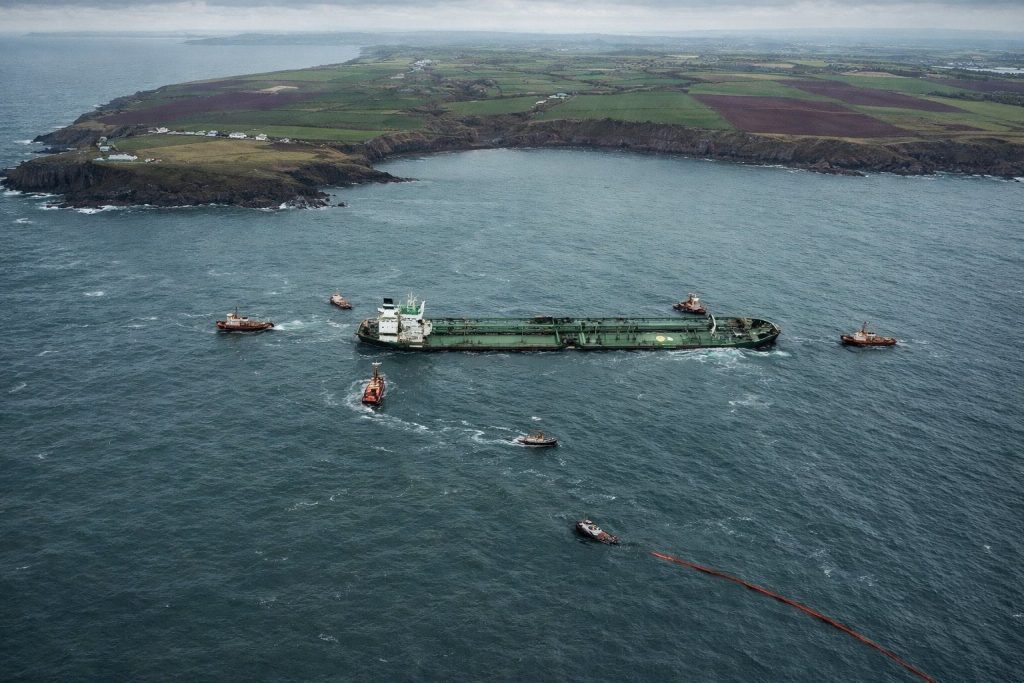
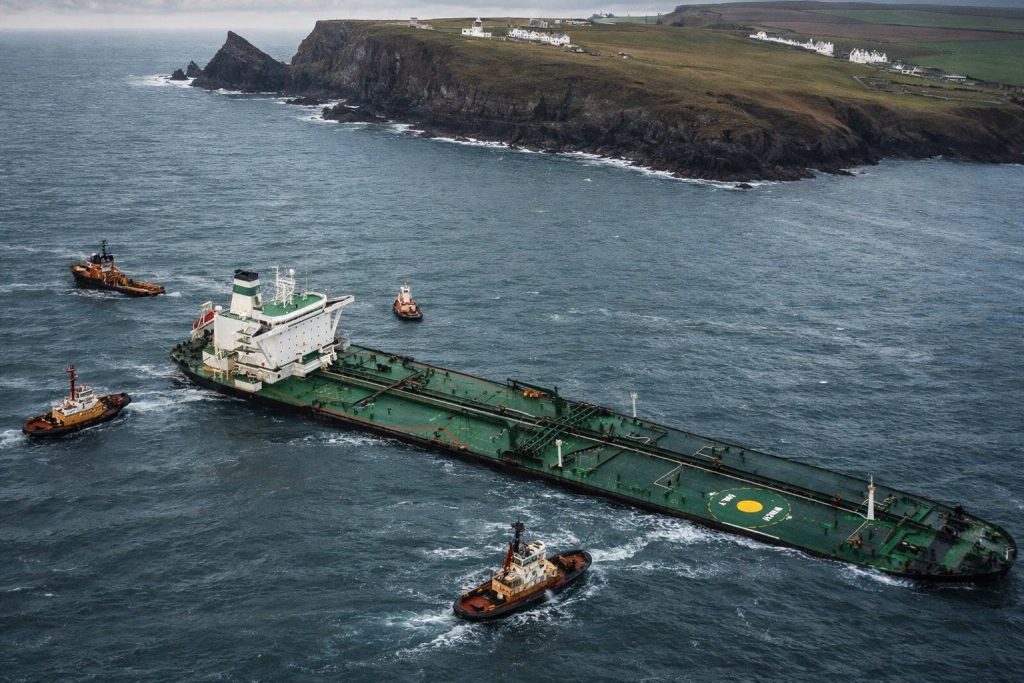
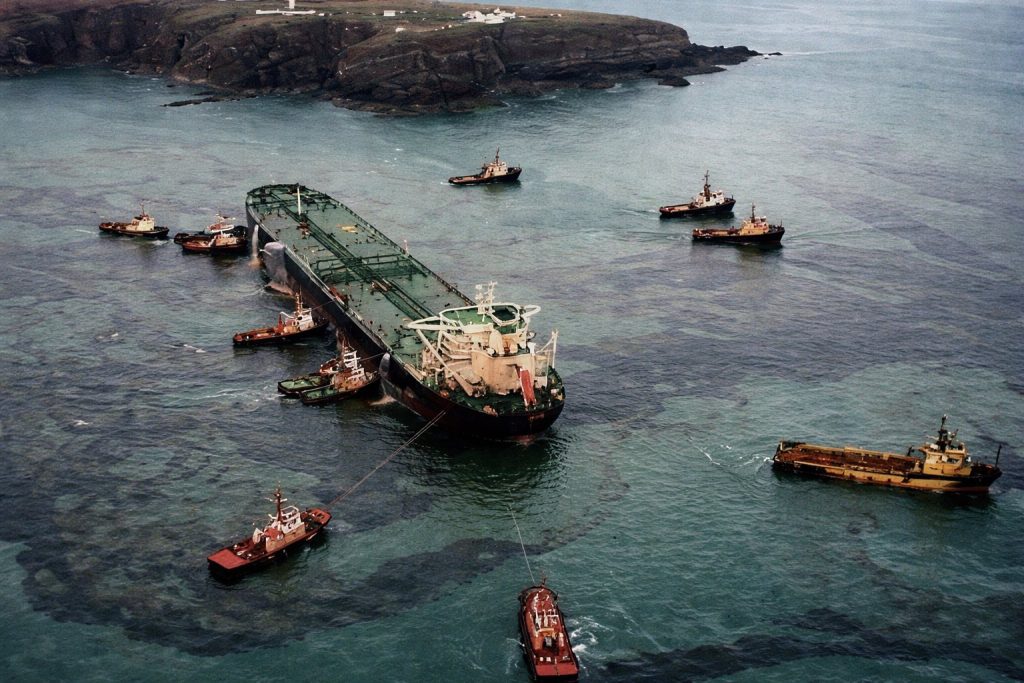
Tugs worked in gale-force winds attempting to pull the tanker clear.
During one critical phase, a tow line parted under extreme tension, allowing the ship to ground again and spill additional oil.
At the same time, fears grew that vapours from the cargo could ignite, prompting evacuations near St Ann’s Head.
Aircraft sprayed dispersants over the spreading slick while emergency services prepared for a potential explosion scenario.
The priority at that stage was to prevent the vessel breaking apart completely.
Eventually, after several days of effort, salvage crews succeeded in refloating the tanker and moving it to a safer position where the remaining cargo could be removed.

Who was blamed
Responsibility for the disaster became the subject of legal and regulatory scrutiny.
The official investigation placed primary fault on navigational decisions during the vessel’s approach rather than any equipment failure.
The ship’s master and pilot both faced criticism over judgement and coordination, though the complex operational environment was also acknowledged.
In subsequent legal proceedings, liability for the spill was largely addressed through civil compensation mechanisms involving the ship owners and insurers under international maritime conventions.
There was no single individual publicly identified as solely responsible for the scale of the environmental damage.
However, the incident exposed weaknesses in escort tug arrangements, navigation procedures and emergency response planning.
Impact on Milford Haven operations
One of the most significant long-term outcomes was the strengthening of escort tug requirements for large vessels entering the Haven.
Navigation procedures were reviewed and risk management protocols improved.
Emergency pollution response capability across the UK was also reassessed.
For the port itself, the disaster became a turning point.
Milford Haven continued operating as a major energy hub, but with tighter safety controls and increased scrutiny.
Environmental and community consequences
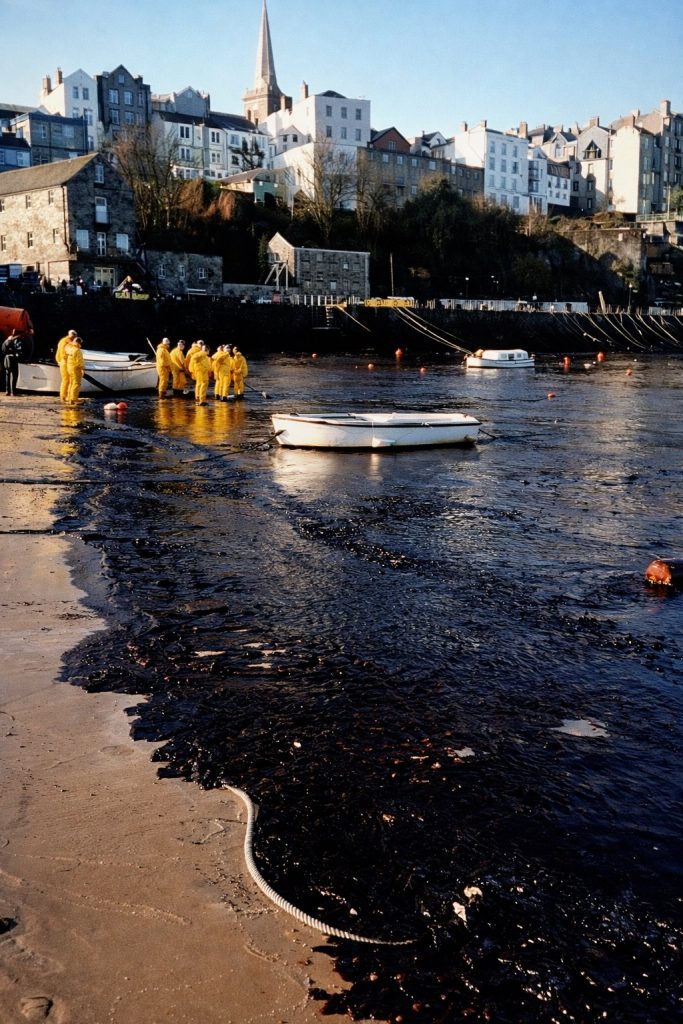
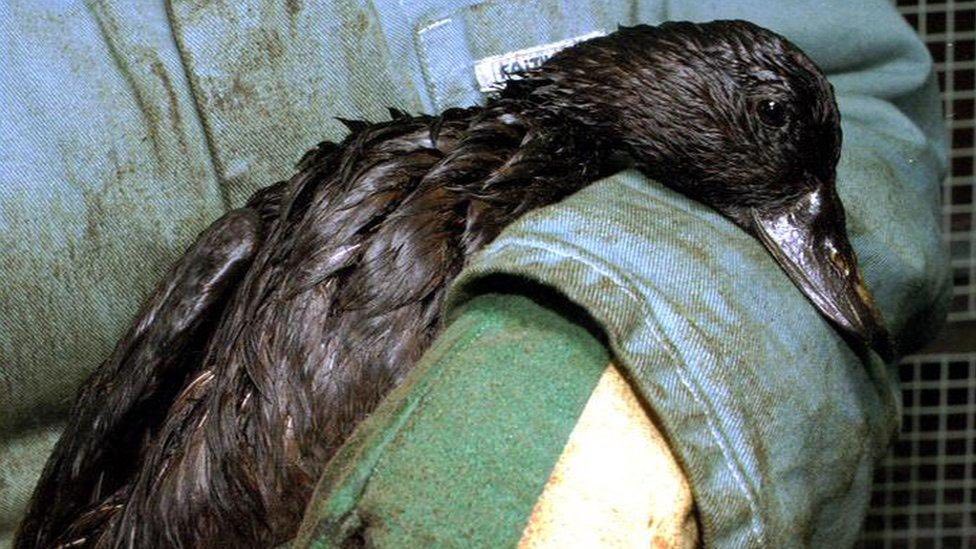
Oil contamination spread across miles of coastline, affecting wildlife habitats, fisheries and tourism.
Thousands of volunteers joined military personnel and contractors in an enormous cleanup effort that lasted months.
While environmental recovery has been substantial over the decades, the psychological impact on coastal communities and those directly involved in the response remains part of local memory.
Maritime lessons that endure
Today, the Sea Empress is widely viewed within the maritime industry as a case study in how small navigational errors can escalate into major incidents when combined with environmental pressures.
The disaster reinforced the importance of escort towing, pilotage coordination and emergency planning in high-risk ports.
Thirty years on, the Haven remains one of the UK’s busiest energy ports — operating under safety frameworks shaped directly by the events of February 1996.