

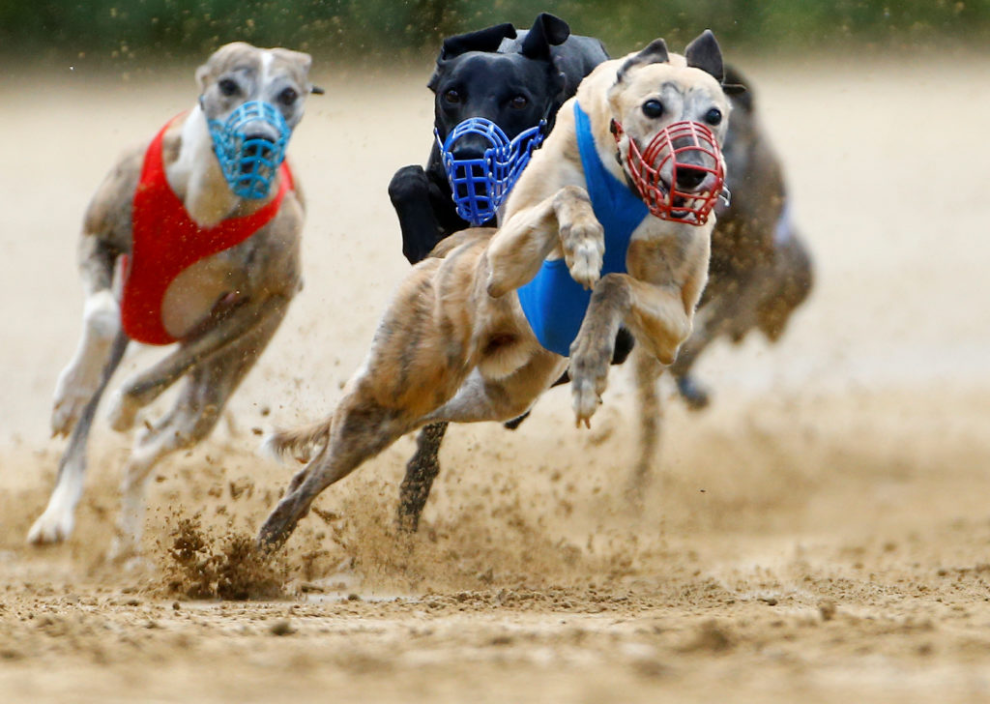

A cross-party committee of Senedd members has delivered a sharp rebuke to the Welsh government over its plans to outlaw greyhound racing, warning that the proposed legislation is being pushed through on the back of “incomplete and contested evidence”
The culture committee, which has spent recent months examining ministers’ intention to phase out the sport entirely by 2030, said it recognised “serious concerns raised about injuries, fatalities and welfare”, but concluded that the government had failed to adopt a sufficiently thorough, evidence-led approach before bringing forward a ban.
Its report highlights what it describes as a lack of robust data, confusion over key issues, and a compressed timetable that left too little room for proper scrutiny. “We were asked to scrutinise a bill with incomplete and contested evidence, and within a shortened timeframe. That is not how good law is made,” said Plaid Cymru’s Delyth Jewell, who chairs the committee.
She added: “We’re all agreed that animal welfare must be the top priority in any decision about greyhound racing, but a lack of clear evidence has made the work of scrutinising the bill more difficult. The Welsh government should have taken more time to gather robust data and consult widely. We heard serious concerns about injuries, fatalities and systemic welfare issues that regulation could never fully resolve. At the same time, we must acknowledge the potential impact on those whose livelihoods depend on the sport and this has not yet been fully assessed.”
Under the current proposals, the last active greyhound track in Wales — located in Ystrad Mynach, Caerphilly county — would be forced to shut. The legislation stems from an agreement struck earlier this year with Welsh Liberal Democrat Jane Dodds, whose support was needed for ministers to secure approval for their spending plans.

The plans have triggered fierce opposition from within the industry. The Greyhound Board of Great Britain, which last week received permission to challenge the ban in the High Court, has accused ministers of mishandling the process. It said the proposed law had “nothing to do with greyhound welfare and everything to do with pressure from the extreme animal rights movement”.
A Welsh government spokesperson thanked the committee for its work, saying: “We will carefully review the recommendations and respond in due course.”
Behind the committee’s careful wording lies a clear message: the government has moved too quickly. The phrase “that is not how good law is made” encapsulates both frustration and a warning, suggesting that the rush to secure political support earlier in the year may now be undermining the robustness of the legislation.
The broader political question is whether the committee’s criticism will influence the Welsh government’s latest round of budget negotiations. With another spending deal still to be struck, ministers may find themselves under pressure to demonstrate a more measured, consultative approach this time aroun