


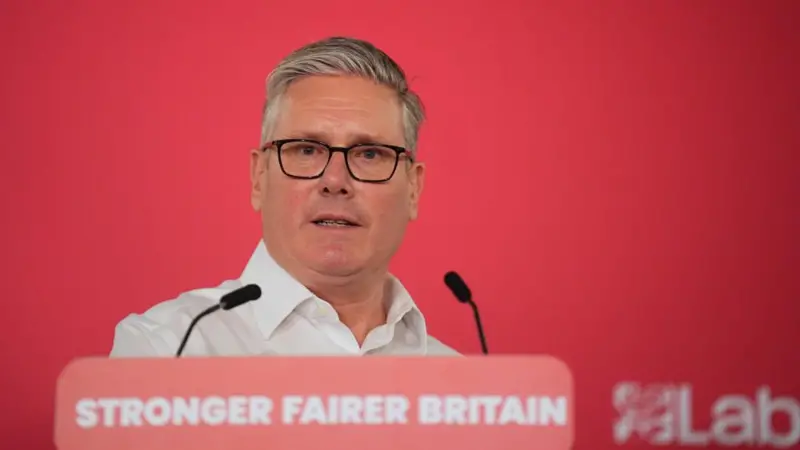
SIR KEIR Starmer has been accused of ignoring Wales in a major “reset” speech aimed at saving his premiership after Labour’s disastrous election results.
The Prime Minister used the speech on Monday (May 11) to admit that mistakes had been made and to promise a new direction for Britain.
He said Labour’s election losses had been “tough, very tough”, but insisted he would not walk away from the job and would fight any attempt to remove him as party leader.
But while the speech was billed as a major attempt to relaunch his government, Welsh opponents said it failed to address the political earthquake which has just taken place in Wales.
Welsh Labour is still reeling from last week’s Senedd election, which saw the party suffer a historic collapse after decades of dominance in Welsh politics.

Despite that, critics said Wales was not directly mentioned in the Prime Minister’s speech.
Lib Dem criticism
Welsh Liberal Democrat Westminster spokesperson David Chadwick MP said the omission showed how out of touch Labour had become with Welsh communities.
He said: “Keir Starmer’s speech today showed just how out of touch Labour has become with communities in Wales.
“Despite years of Labour failure in Cardiff Bay and last week’s election results, the Prime Minister did not even mention Wales, let alone offer the fresh thinking people are crying out for.
“To make matters worse, Labour has rubbed salt in the wounds of communities like Port Talbot by announcing a further nationalisation of British Steel in Scunthorpe after refusing to do the same for workers and families in South Wales.
“The Liberal Democrats will continue using our 72 MPs in Westminster to stand up for Wales and fight for the fair deal our communities deserve.”
Three key pledges
Starmer’s speech centred on three main pledges.
The first was a promise to rebuild Britain’s relationship with the European Union.
The Prime Minister said the UK would set a “new direction for Britain” at the next EU summit, putting the country “at the heart of Europe” on the economy, trade and defence.
He also announced plans for an “ambitious” youth experience scheme, allowing young people to work, study and live in Europe as part of a renewed relationship with the EU.

Starmer said the government would also go further on apprenticeships, technical excellence colleges and special educational needs, with a guarantee that every young person struggling to find work would be offered a job, training or work placement.
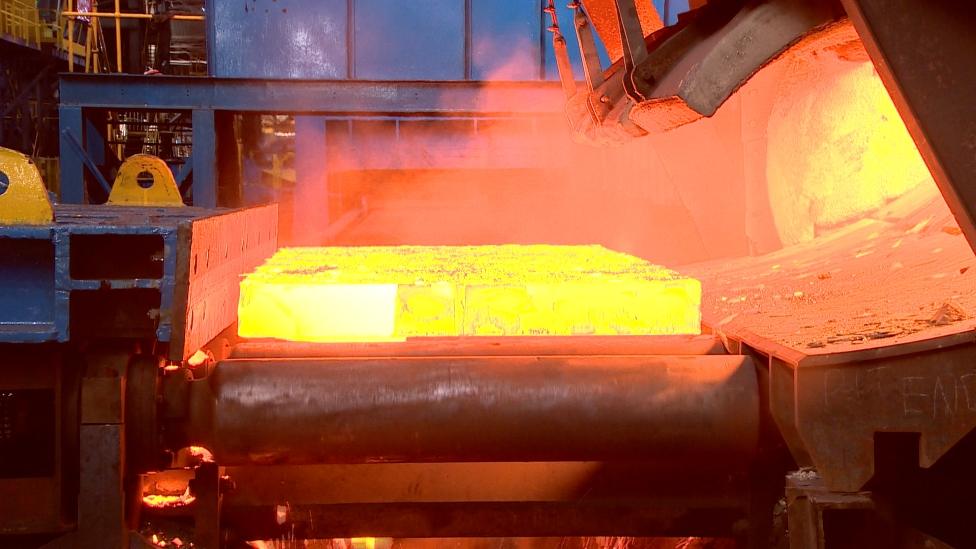
The third major pledge was on British Steel.
Starmer said legislation would be brought forward this week to give the government the power to take full ownership of British Steel, subject to a public interest test.
He said the move was needed to protect what he described as an “ultimate sovereign capability” and to support industrial renewal.
Steel row reignited
The British Steel announcement is likely to be one of the most politically sensitive parts of the speech in Wales.
The UK Government took control of British Steel’s Scunthorpe steelworks from Chinese owners Jingye last year, following fears over the future of the site.
Starmer has now gone further, saying ministers will seek powers for full public ownership.
But in South Wales, the decision has revived anger over the handling of Tata Steel in Port Talbot.
Thousands of jobs were put at risk during the transition away from blast furnace steelmaking, with unions and opposition parties repeatedly calling for stronger government intervention.
Critics say Port Talbot workers and their families were not offered the same level of protection now being proposed for Scunthorpe.
That contrast is now being used by Labour’s opponents as evidence that Wales has again been treated as an afterthought by Westminster.
Leadership pressure
The speech came as Starmer faced growing pressure from within his own party after Labour’s poor election performance.
He admitted the results had been painful and said he understood that people were frustrated with him.
Starmer said: “I know I have my doubters, and I know I need to prove them wrong, and I will.”
Asked whether he would fight a leadership contest, Starmer said he was “not going to walk away”.
He also warned that Britain was facing “dangerous opponents” and said Labour had to offer hope and optimism rather than allow the country to go down what he described as a “dark path”.
The Prime Minister argued that Labour had made mistakes but had got the “big political choices” right, pointing to the economy, public services and foreign policy.
However, early reaction from within Labour suggested the speech may not have been enough to calm unrest.
Some Labour figures were reported to have felt the speech lacked detail on the cost of living, immigration and defence, while others said it did not amount to the transformational reset some MPs had wanted.
Welsh problem remains
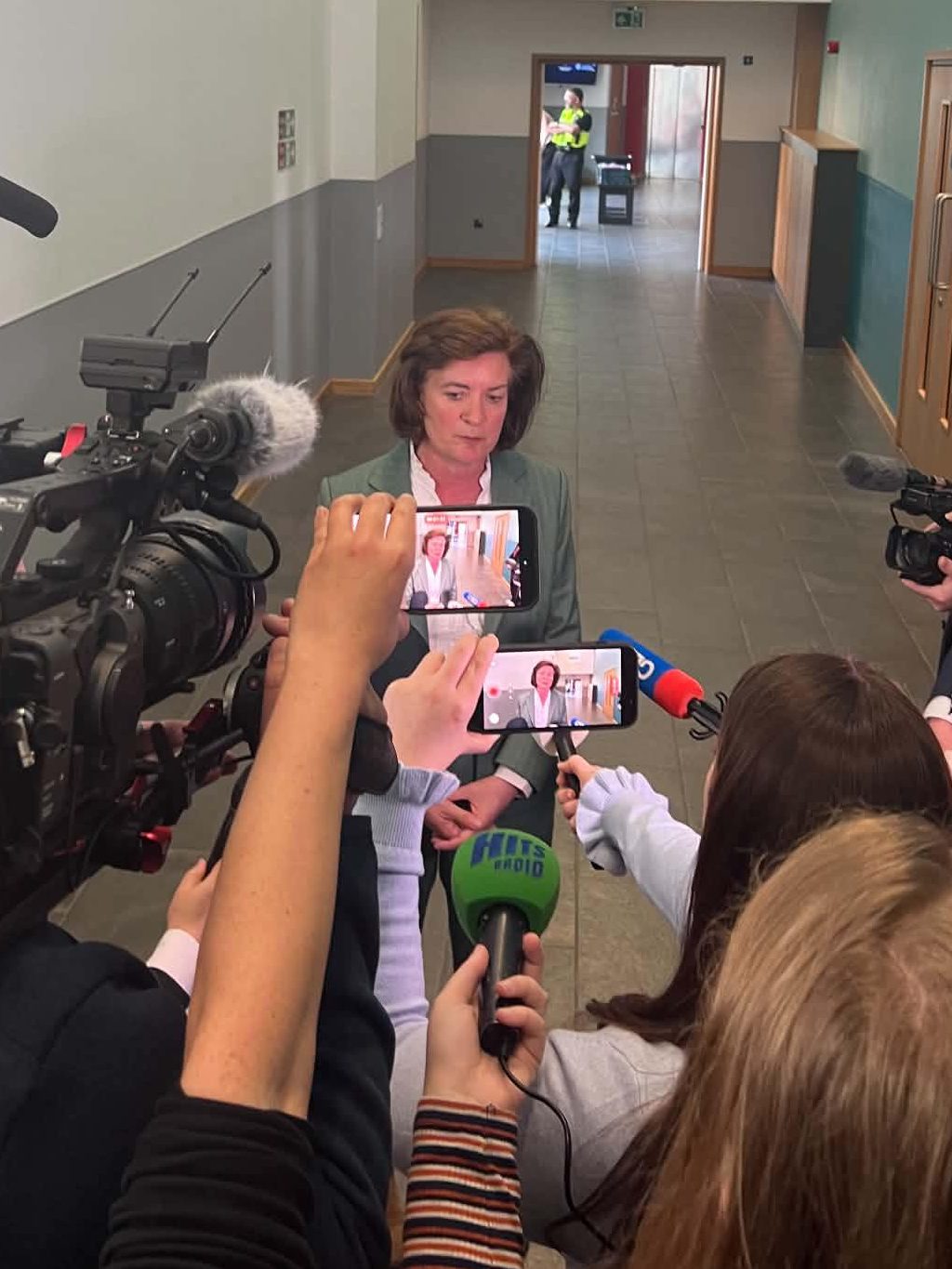
For Wales, the political problem is particularly acute.
Labour’s dominance in Welsh politics has been shattered, with Plaid Cymru now the largest party in the Senedd and Reform UK making major gains.
The result has left Labour searching for a new direction at both Cardiff Bay and Westminster level.
Starmer’s speech was intended to show that he understands the scale of the challenge facing his government.
But for Welsh critics, the failure to directly address Wales after such a dramatic election result will only deepen concerns that Labour’s Westminster leadership has not yet grasped the scale of the change taking place here.
The row also gives the Liberal Democrats an opportunity to position themselves as a pro-Wales voice at Westminster, particularly in rural and mid-Wales areas where the party has been seeking to rebuild.
For Starmer, the speech was designed as a moment of renewal.
In Wales, his opponents say it has instead become another example of Labour failing to listen.