

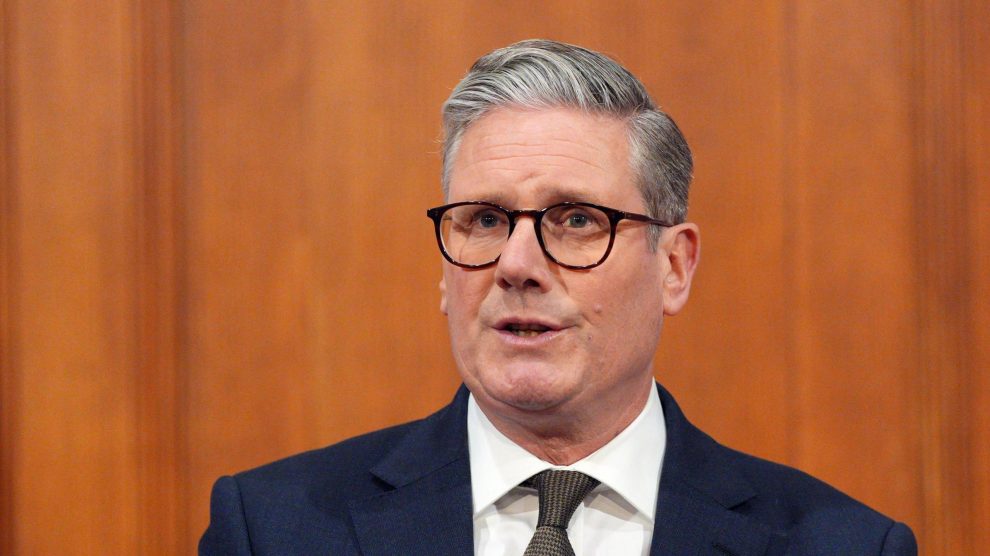

Move divides opinion at home and abroad, with Wales watching closely
PRIME MINISTER Sir Keir Starmer has announced that the United Kingdom now formally recognises the state of Palestine – a landmark foreign policy decision that places Britain alongside Canada and Australia in backing a two-state solution to the Middle East conflict.
The announcement, made in a video address on Sunday afternoon, comes just hours after Canada became the first G7 nation to extend recognition, swiftly followed by Australia. Together, the three allies have moved in a co-ordinated effort to “keep alive the possibility of peace”, in Starmer’s words.
The UK’s decision is historic. Britain ruled the territory under the Mandate until 1948, when its withdrawal helped shape the conflict that has continued for generations. For decades, successive UK governments kept recognition in reserve as a bargaining chip for future peace talks. That card has now been played.
Global shockwaves – and anger from Israel
The reaction has been immediate and polarised.
Israel’s foreign ministry condemned the move as “nothing but a reward for jihadist Hamas”, warning it would embolden extremists. Families of Israeli hostages still held in Gaza said in an open letter that recognition “complicates efforts” to bring loved ones home.
In Gaza and the West Bank, however, news was met with cautious optimism. Residents told reporters they hoped international recognition would put pressure on Israel to halt its military campaign, though many admitted it may change little on the ground.

Domestic politics and Welsh implications
At home, the decision has ignited fierce debate. Conservatives, led by Kemi Badenoch and Priti Patel, branded it “reckless” and a “capitulation to the hard left”. The Liberal Democrats applauded it, saying it was “long overdue”.
Labour insiders admit domestic politics played a part. For months, Sir Keir faced intense pressure from Labour MPs, activists and Muslim voters – including in Wales – who felt his early stance on Gaza was too sympathetic to Israel. In constituencies with large Muslim communities, such as Cardiff, Newport and Swansea, today’s announcement may be seen as an attempt to rebuild bridges.
Why this matters for Wales
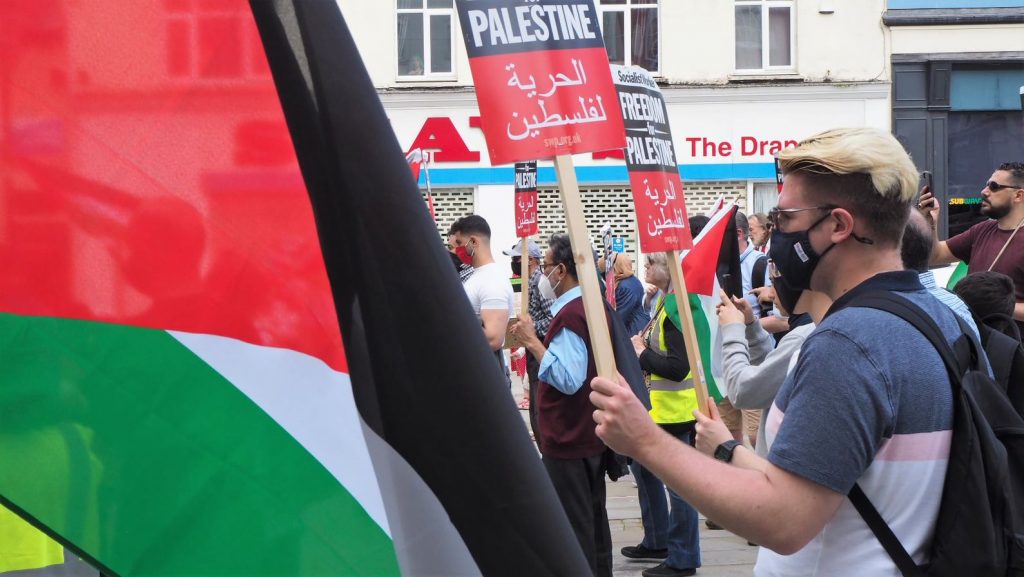
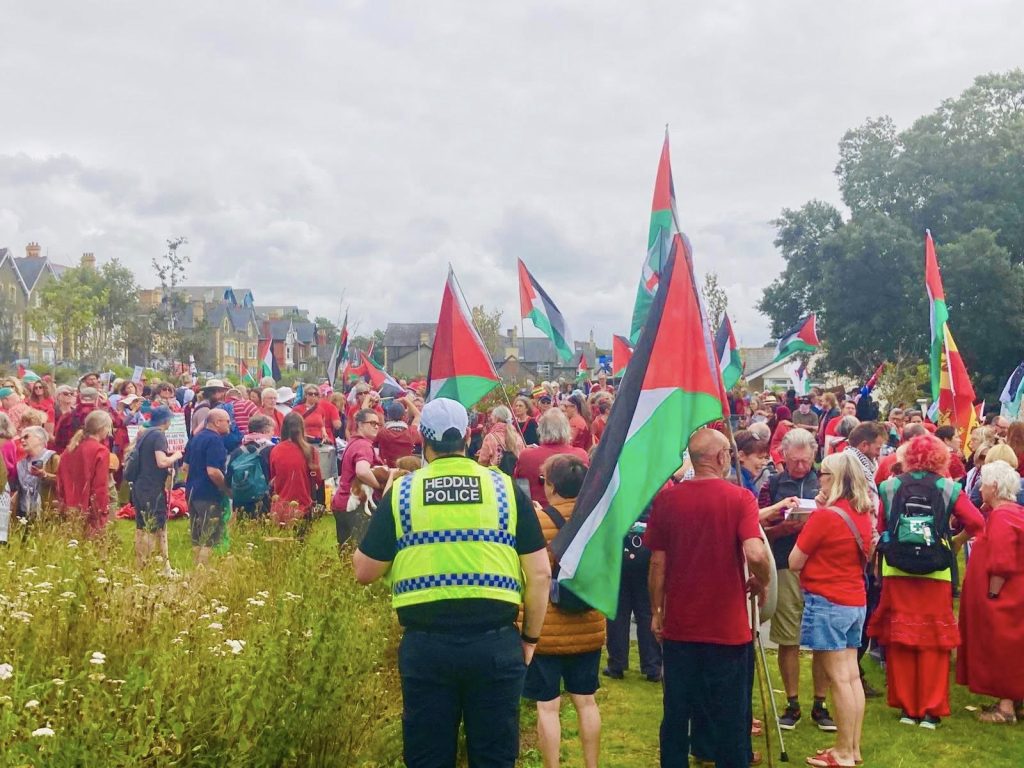
Wales has one of the UK’s most active pro-Palestine movements, with regular demonstrations in Cardiff, Swansea, Newport and Bangor since the war erupted last year. Welsh Labour has long supported a two-state solution, and Senedd Members will now face questions on how the UK decision affects devolved policies, such as trade links, aid and community relations.
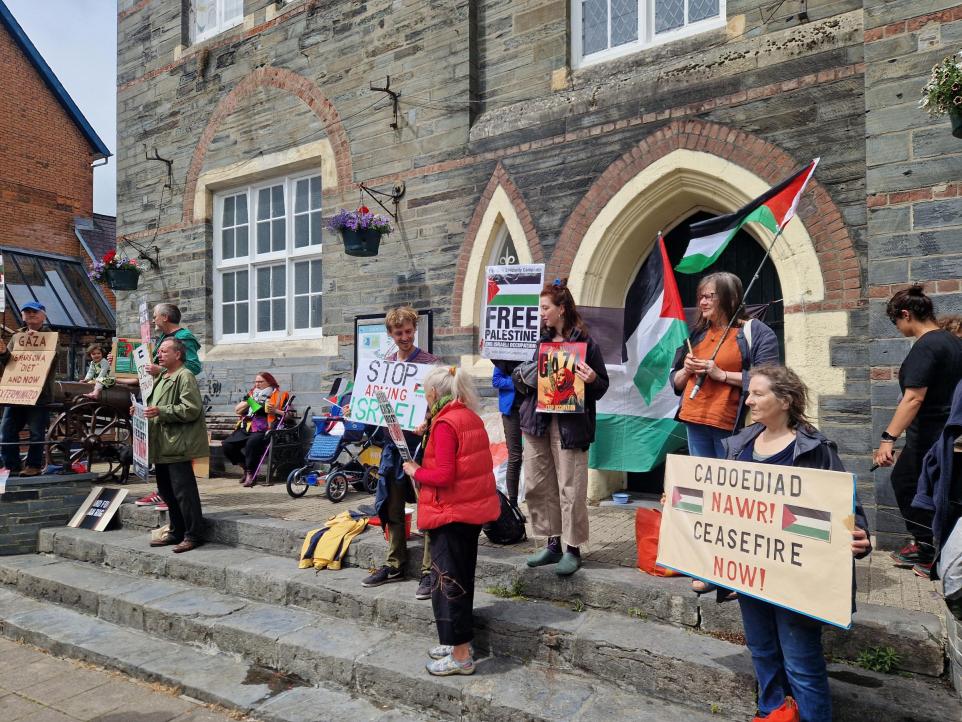
Community leaders warn the decision could heighten tensions. Wales has seen both pro-Palestinian marches and vigils for Israeli hostages. Police have increased monitoring of hate crime as rhetoric has hardened on both sides. The recognition announcement may further polarise opinion.
What recognition really means
Recognition does not create borders, armies or sovereignty overnight. Palestine remains a “quasi-state” under occupation, with no agreed capital and divided leadership between the Palestinian Authority and Hamas. But the symbolism is powerful: Britain, once the colonial power, now says Palestine has the right to statehood.
Starmer insists this is “not a reward for Hamas” but a rejection of extremism. Instead, he argued, it is a pledge to Israelis and Palestinians alike that “there can be a better future” – and that Britain will play its part in trying to make that future possible.
What happens next?
Portugal and New Zealand are expected to follow with recognition in the coming days. More than 150 UN member states already recognise Palestine, but Britain’s move – given its historic role in the region – is one of the most significant to date.
For Wales, the announcement will be debated not just in the Senedd but in mosques, chapels, universities and homes across the country. It raises difficult questions: can recognition revive the peace process, or does it risk deepening division while war still rages?
What is clear is that today marks a turning point. Britain has taken a side in history – and Wales, like the rest of the UK, must now grapple with what that means.