

Two senior Downing Street exits in 24 hours as Anas Sarwar breaks ranks, but ministers insist the Prime Minister is staying put
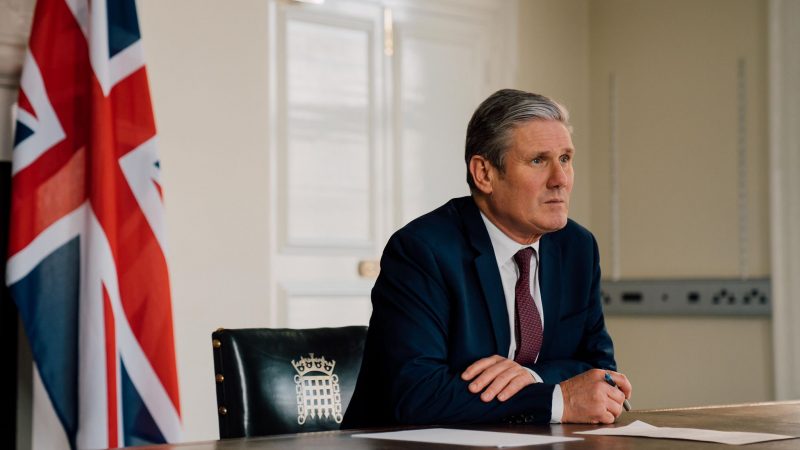
PRESSURE continued to mount on Keir Starmer today (Monday) after two of his closest advisers resigned within 24 hours and the leader of Scottish Labour publicly called on him to step down.
The rapid series of events has fuelled growing speculation about the Prime Minister’s authority inside his own party, with critics describing the situation in Downing Street as chaotic and poorly handled.
Starmer first lost his chief of staff, Morgan McSweeney, who stepped aside after taking responsibility for recommending the controversial appointment of Peter Mandelson as the UK’s ambassador to Washington.
Within hours, his director of communications, Tim Allan, also quit, saying a new team should take charge of the government’s messaging.
Two departures at that level in a single day are highly unusual and immediately prompted questions in Westminster about stability at the centre of government.

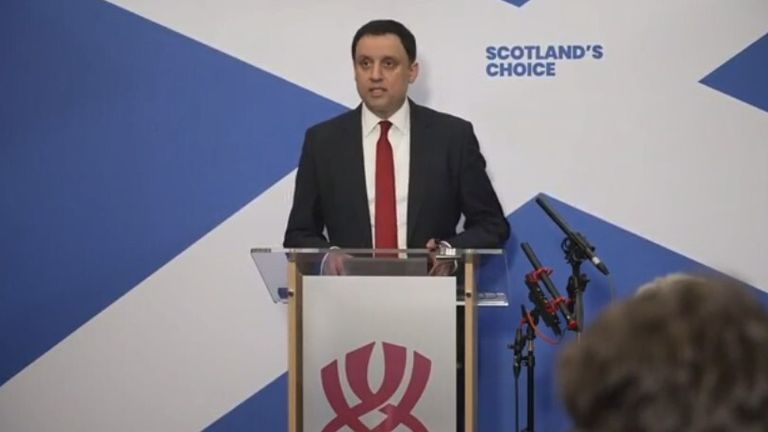
The crisis deepened further when Anas Sarwar broke ranks and urged Starmer to resign, arguing that the ongoing Mandelson controversy was becoming a damaging distraction and risked harming Labour’s prospects, particularly in Scotland.
Sarwar is the most senior Labour figure so far to publicly question the Prime Minister’s position.
A row that would not go away
The Mandelson appointment was initially seen as a difficult but containable judgement call. Supporters pointed to his experience and international contacts, while critics raised concerns about his past links to the late financier Jeffrey Epstein.
However, instead of fading, the story has dragged on for days, prompting criticism of how Downing Street has handled the fallout.
Several Labour MPs privately admit the issue is no longer the appointment itself but the perception that the government has been slow and defensive in responding.
One senior backbencher said: “It’s not the decision that hurts you. It’s looking like you’re not in control.”
Who is backing Starmer
Despite the noise, Starmer still retains public support from much of the Cabinet.
Allies say he remains focused on governing and has no intention of stepping down. Downing Street sources insist he is “getting on with the job” and dismiss talk of an imminent leadership challenge.

Senior ministers have urged colleagues to rally around the Prime Minister rather than fuel instability.
There is currently no formal mechanism under way to remove him, and no obvious successor waiting in the wings.
Political risk growing
Nevertheless, the optics are uncomfortable.
Two senior resignations in quick succession, combined with a public call to quit from within Labour’s own ranks, risk creating the impression of a government losing control of its message.
That perception matters.
Prime ministers are rarely forced out over a single decision. They fall when their own MPs begin to doubt that they can win the next election.
With Reform UK continuing to dominate headlines with simple, punchy messaging and Labour struggling to explain its record, some backbenchers fear that continued communication missteps could erode confidence further.
For now, Starmer remains in office.
But after the past 24 hours, questions about his leadership are no longer confined to the opposition benches.
They are coming from inside his own party.