


ON the second anniversary of Wales’ default 20mph speed limit, campaigners say the policy has prevented more than 1,000 casualties on the nation’s roads.
Collision data for the first 18 months shows 882 fewer people were hurt on 20mph and 30mph roads — a 25% reduction compared with the previous year. Campaign group 20’s Plenty for Us projects the total will pass 1,000 avoided casualties by the two-year mark.
The figures suggest 14 lives have been saved and 98 serious injuries avoided since the lower limit came into force in September 2023. Motor insurers have also reported fewer claims. Esure says Welsh drivers saw premiums cut by an average of £45 last year, and claims for vehicle damage are down by around 20%.
Campaign director Adrian Berendt said: “As well as making Welsh communities safer, with over 1,000 fewer casualties, 20mph is benefitting drivers in lower insurance costs. We thank Welsh drivers who have altered their behaviour to make their communities even better places to be.”
Divisive policy
But the policy has been far from universally welcomed. A YouGov survey in 2024 found 72% of Welsh people opposed the default 20mph limit, with nearly half saying they “strongly opposed” it. Around 40% of drivers admitted they often exceeded the new limit.

The roll-out also triggered the largest petition in Senedd history, with almost 470,000 signatures calling for the measure to be scrapped. Opponents argue it amounts to a blanket restriction, slowing journeys unnecessarily and confusing motorists about where the rules apply.
Some local authorities have begun reviewing stretches of road and reverting certain routes back to 30mph following complaints.
Questions over evidence
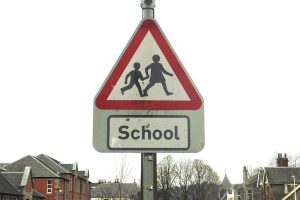
Motoring groups including the AA and RAC have previously raised concerns about “blanket” speed limits, arguing that 20mph should be targeted around schools, housing estates and busy pedestrian areas rather than applied wholesale.
Experts also caution that while early results are encouraging, 18 months of data may not tell the full story. Road safety researchers note that other factors — including changes in travel patterns, vehicle safety improvements, and wider traffic trends — could also influence casualty numbers.
The Welsh Government’s own regulatory impact assessment estimated implementation costs at more than £30m over five years, prompting further debate over value for money.
A policy under review
Ministers insist the lower limit will save lives, cut NHS costs and encourage more walking and cycling. At the same time, they have stressed that councils can apply exemptions where 20mph is deemed unsuitable.
The Herald understands that further evaluations will be published later this year, with campaigners and critics alike watching closely to see whether the casualty reductions continue.
On the second anniversary of the introduction of Labour and Plaid Cymru’s disastrous 20mph speed limit, the Welsh Conservatives have criticised the Welsh Government’s 20mph speed limit policy, saying it has cost millions, risks billions in economic damage, and ignores overwhelming public opposition.
Commenting, Welsh Conservative Shadow Cabinet Secretary for Transport and Infrastructure, Sam Rowlands MS said: “The Labour Welsh Government ignored the people of Wales when they forced through their disastrous 20mph speed limit and dismissed a record-breaking Senedd petition calling to scrap it.
“The rollout has already cost taxpayers £32 million, with an estimated economic hit of up to £9 billion. Labour and Plaid’s blanket 20mph speed limit has been nothing short of a disaster for Wales.

“Lower speed limits make sense outside schools, hospitals and in dangerous areas, but Labour and Plaid’s one-size-fits-all approach doesn’t work. The Welsh Conservatives are the only party in the Senedd committed to scrapping Labour’s 20mph speed limit.”