
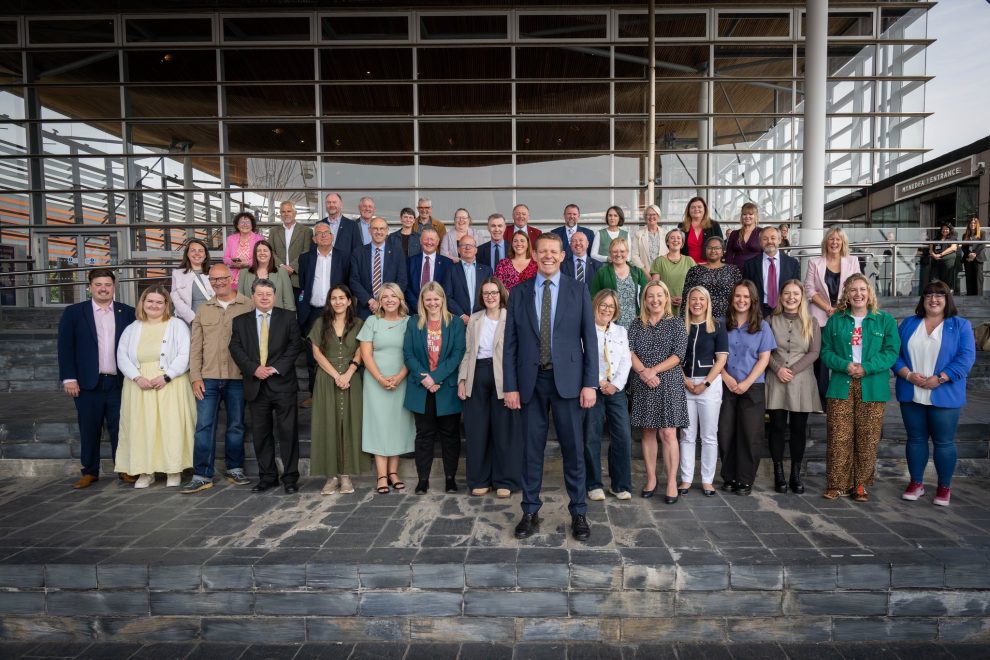

WALES has entered a new political era after voters delivered the biggest political upheaval since devolution.
Plaid Cymru emerged as the largest party in the Senedd, Reform UK surged into second place, and Welsh Labour was reduced to its worst result since the creation of Welsh devolution in 1999.
The result ends Labour’s long dominance of Welsh politics and leaves Cardiff Bay facing weeks of negotiations over who will form the next Welsh Government.
Labour dominance ends
For the first time since the Senedd was created, Labour is no longer the largest party in Wales.
The party fell to just nine seats in the expanded 96-member chamber, a result which has sent shockwaves through Welsh politics.

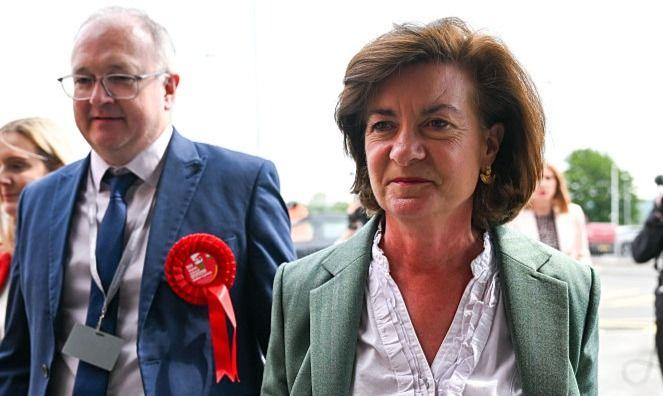
First Minister Eluned Morgan also lost her own seat in Ceredigion Penfro before announcing that she would stand down as Welsh Labour leader.
The scale of the defeat reflects deep public frustration over the NHS, public services, the cost of living, and the perception that Welsh Labour had run out of energy after decades in power.
Ken Skates has now been appointed interim Welsh Labour leader as the party begins what is likely to be a long and painful rebuilding process.
Plaid’s historic breakthrough
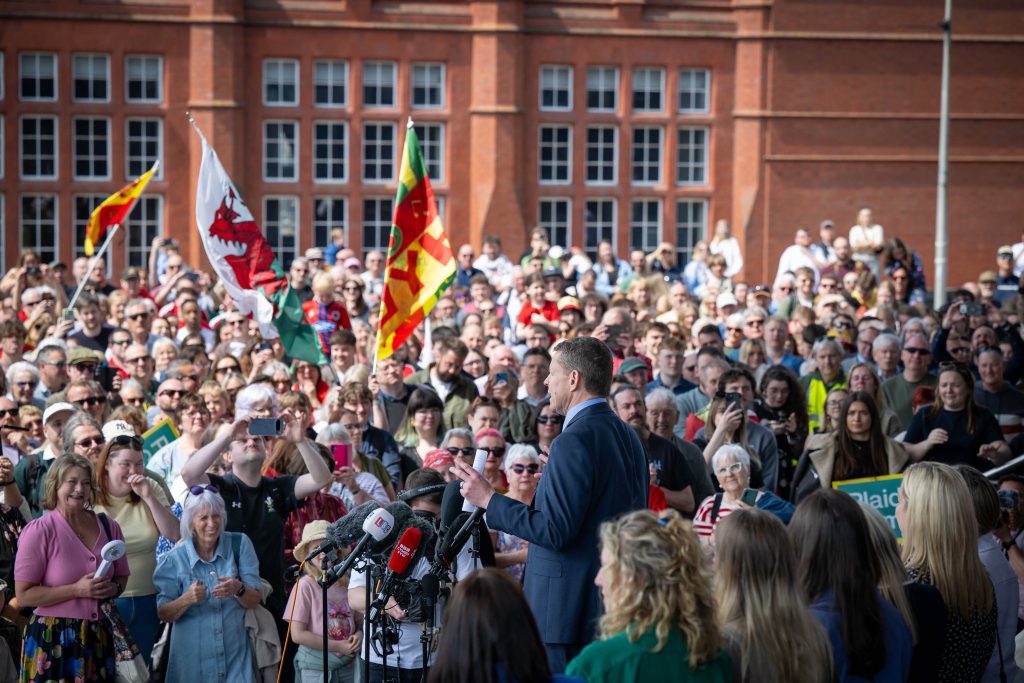
Plaid Cymru finished as the largest party with 43 seats, a landmark result for Rhun ap Iorwerth and his party.
It is the closest Plaid has ever come to forming a government in Wales, and gives the party the clear first opportunity to try to lead the next Welsh Government.
However, Plaid fell short of the 49 seats needed for an outright majority.
That means Rhun ap Iorwerth must now decide whether to seek a formal coalition, a confidence-and-supply arrangement, or attempt to govern as a minority administration.
The party campaigned strongly on the NHS, childcare, housing, rural Wales and economic renewal. It must now show that it can move from opposition into government and turn those promises into delivery.

Reform becomes major force
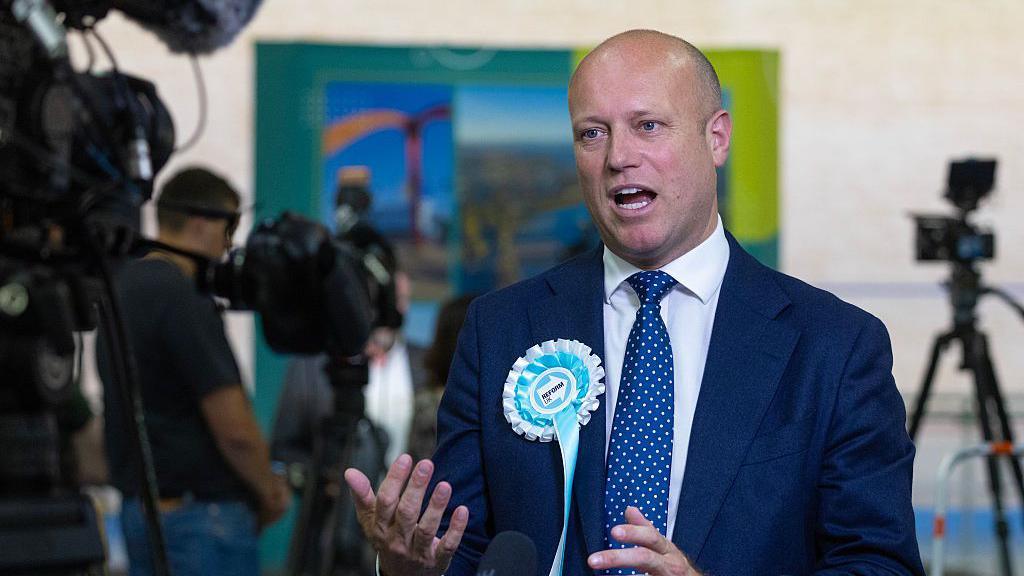
The other major story of the election was the dramatic rise of Reform UK.
The party won 34 seats, becoming the second-largest group in the Senedd and reshaping the political map across Wales.
Reform made major gains in former Labour heartlands, particularly in areas where voters have become disillusioned with Cardiff Bay politics and traditional party loyalties.
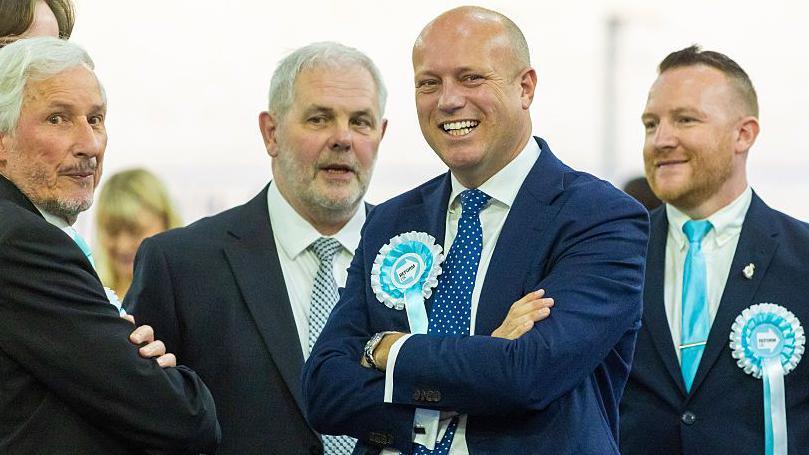
Its success means the next Senedd will be noisier, more confrontational, and far less predictable than before.
Reform will now have a large platform from which to challenge Plaid Cymru, Welsh Labour and the Conservatives on public services, immigration, the economy, and the future direction of Wales.
Smaller parties gain ground
The Conservatives were reduced to seven seats, leaving them much diminished after years of trying to present themselves as the main alternative to Labour.
The Wales Green Party won two seats, giving the party its first real foothold in the Senedd.
The Welsh Liberal Democrats won one seat, ensuring they remain represented in Cardiff Bay.
The new electoral system, which expanded the Senedd from 60 to 96 members and introduced 16 larger constituencies electing six MSs each, helped create a far more proportional result.
It has also produced a chamber in which smaller parties and tactical negotiations will matter more than ever.
What happens next?
The key issue now is who can command enough support to govern.
Plaid Cymru, as the largest party, will be expected to lead the process of forming an administration.
But without a majority, every major vote will matter. Budgets, major laws, confidence votes and key policy decisions will all require careful negotiation.
A formal deal with another party may prove difficult. A minority Plaid government is possible, but it would need support from other MSs to survive.
That means the next few weeks could be decisive for the future of Wales.
A changed country
This was more than a bad night for Labour or a breakthrough for Plaid and Reform.
It was a clear sign that Welsh politics has changed.
Old loyalties have weakened. Voters who once backed the same party for generations have shown they are prepared to move. The next Senedd will be more divided, more unpredictable, and more difficult to control.
For Wales, the message is stark.
The Labour era is over. Plaid Cymru now has its greatest opportunity yet. Reform UK has arrived as a major force. And whoever forms the next Welsh Government will have to prove quickly that change means more than a different set of faces in Cardiff Bay.