
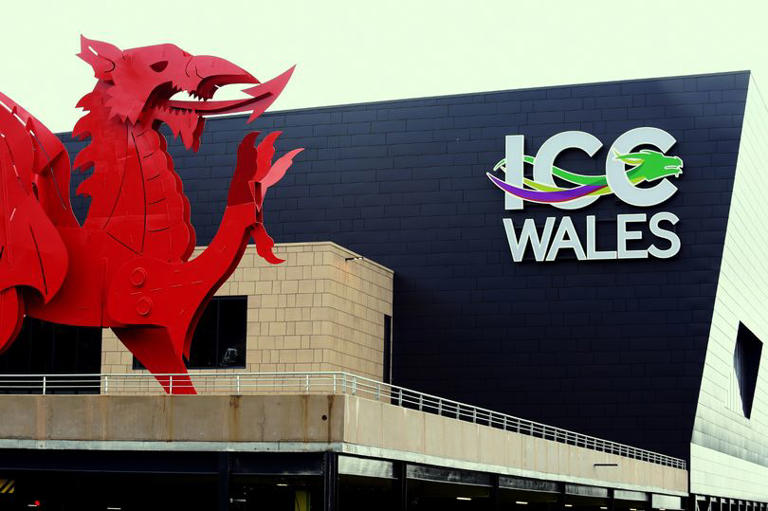
HUNDREDS of global business leaders gathered today (Dec 1) at the International Convention Centre Wales and Celtic Manor Resort for the inaugural Wales Investment Summit – the largest event of its kind in Wales since the 2014 NATO Summit.
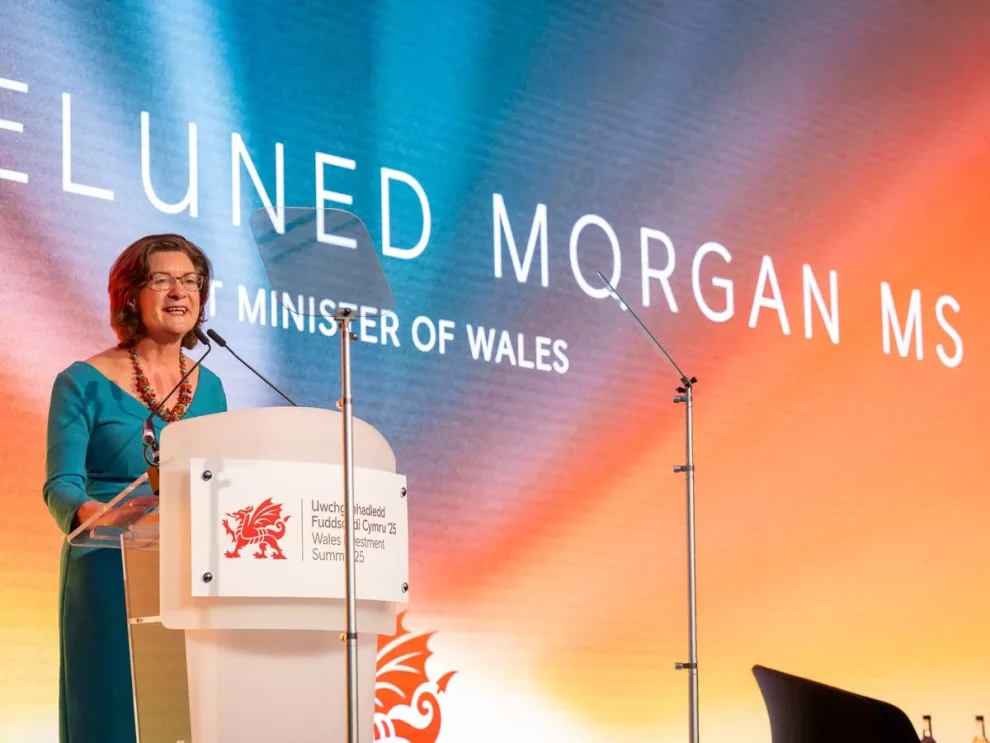
First Minister Eluned Morgan described the summit as a “pivotal moment” to showcase Wales’ economic potential, with more than 300 delegates from twenty-seven countries hearing pitches on high-growth sectors including AI, semiconductors and clean energy. Around one hundred and fifty of the attending firms are new to Wales.
Tour de France winner Geraint Thomas and broadcaster Alex Jones appeared at sessions throughout the day, adding a distinctly Welsh touch to a high-profile programme led by Morgan and UK Chancellor Rachel Reeves.
£16bn pipeline and major job pledges
Since announcing the summit in August 2024, Morgan said Wales has secured investment commitments worth £16 billion. The largest is a £10 billion programme from Vantage Data Centers, which plans AI-driven data campuses across south Wales, including at the former Ford engine plant in Bridgend. The project is expected to create several thousand jobs over the next decade.
A further £4.6 billion in pledges was unveiled last week, including:
- £2.5 billion for the Wylfa nuclear project
- New investments from Rolls-Royce, Vishay, Stena Line, Boccard and Bute Energy
Today’s discussions also followed the UK Government’s recent confirmation that Wylfa will host Britain’s first small modular reactors (SMRs). Construction and operational phases are forecast to support up to 3,000 jobs.
Two “AI Growth Zones” – one across Anglesey and Gwynedd, and a second in south Wales – are projected to generate more than 8,000 jobs combined. The north Wales zone alone is expected to deliver over 3,400 jobs in research, data centres and training, leveraging power output from the Wylfa site.
Reeves confirmed a £10 million UK budget allocation to boost Newport’s semiconductor cluster, emphasising cross-government cooperation.
The summit also highlighted a milestone for the Development Bank of Wales, which has now invested over £1 billion since 2017, supporting 50,000 jobs and nearly 5,000 businesses.
Wales has delivered a 23% rise in foreign direct investment projects in 2024/25 – reaching sixty-five deals – alongside a 30% rise in inward-investment jobs. Wales retains the highest manufacturing share of GDP in the UK at 15.6%, compared to the national average of under ten per cent.
A tough international landscape
The upbeat messaging comes against a difficult global backdrop. UK-wide foreign investment fell to 853 projects in 2024, a thirteen per cent drop. Across Europe, FDI fell by five per cent – the lowest level for almost a decade – amid geopolitical instability, supply-chain pressures and falling manufacturing investment.
Although Wales’ twenty-three per cent rise in project numbers mirrors UK-wide trends, much of the headline £16bn relates to long-term pipelines rather than near-term spending. Several flagship schemes, including Wylfa and the AI zones, rely heavily on public subsidy, with hundreds of millions committed by both the Welsh and UK Governments.
Structural challenges persist
Despite strong announcements, Wales continues to face stubborn economic gaps. Gross value added per head stood at £29,316 in 2023 – around 85% of the UK average. Total Welsh GVA reached £81.5 billion, showing little real-terms growth.
Economic inactivity remains the highest in Great Britain at 24.1% of working-age adults, driven largely by long-term sickness. Average full-time weekly earnings in Wales are £634, compared to the UK figure of £682.
There are also concerns over regional imbalance. South-east Wales continues to attract the majority of major investments, leaving parts of north and west Wales – including Anglesey – vulnerable without wider rail, digital and skills upgrades.

Opposition: ‘Late in the day’
Opposition parties welcomed new jobs but criticised Labour’s economic record.
Plaid Cymru’s Heledd Fychan said many announcements were “late in the day” after “over two decades” of Labour governance, and called for a streamlined “one-stop shop” for business support. The party previously dismissed the summit as a “gimmick”.
Welsh Conservative leader Darren Millar said the focus should be on “lower taxes and less bureaucracy”, accusing Labour of “hamstringing” the Welsh economy with regulation since 1999. Shadow economy secretary Samuel Kurtz urged investment in “world-class skills” and real support for small firms.
With Senedd elections set for May 2026 – and Labour still absorbing the shock of losing the Caerphilly by-election to Plaid – political scrutiny of the summit has intensified.
Looking ahead
Morgan told delegates: “This summit is the culmination of months of work. Welsh Labour means business and is investing in our economy and jobs for the future.” She said Wales must focus on “growth with purpose”, ensuring high-skilled roles spread opportunity across every region.
Economy Secretary Rebecca Evans added: “Wales is at the forefront of industries that will define the next decade. We’re ready to turn conversations into commitments.”
As delegations continue discussions, the long-term test will be delivery. With £16 billion in pledges and thousands of jobs at stake, Wales faces a decisive question:
Will this investment help close long-standing economic divides – or deepen them in an already fragile global economy?