

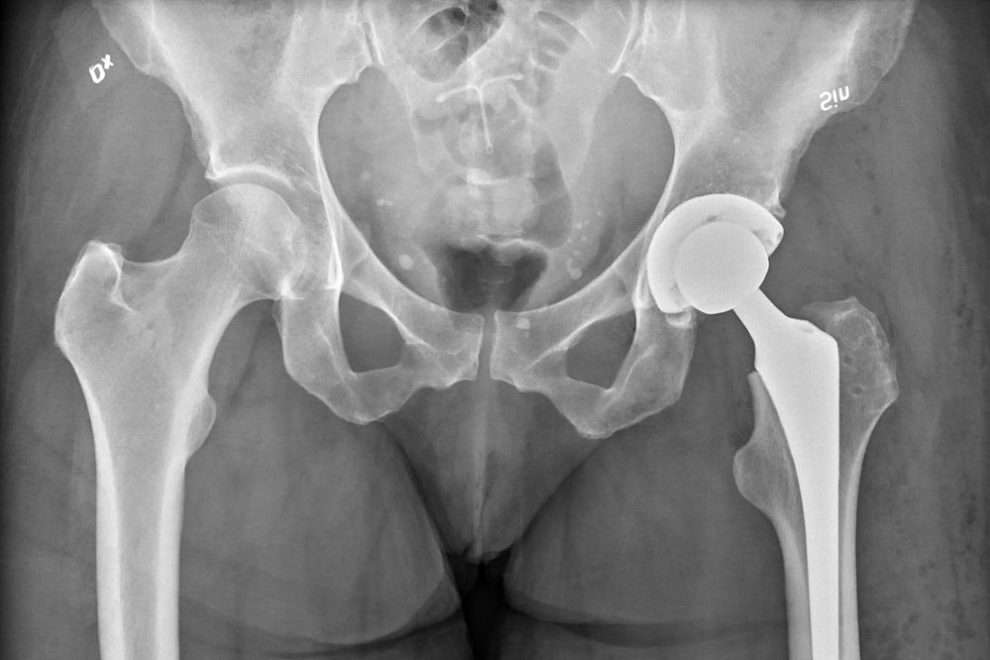

NEW DATA shows that patients under Betsi Cadwaladr University Health Board waited an average of 494 days for elective hip surgery in 2025.
Healthcare marketplace, My Medical Gateway, sent a Freedom of Information request to Betsi Cadwaladr University Health Board to find out how long patients have been waiting for hip replacement surgery.
The findings show that patients were waiting an average of 494 days (70.6 weeks) before being treated in 2025.
In Wales, set targets are that 95% of patients are to be treated within 26 weeks from referral, with 100% to be treated within 36 weeks.
The health board, which covers all of North Wales, has been subject to enhanced oversight due to concerns about care quality, patient safety and leadership. In November 2025, the publication of waiting list figures at Betsi was postponed for months due to concerns about the trustworthiness of the data.

Around two-thirds of the 3,694 patients who are waiting longer than two years for planned care in Wales are under this health board, making it Wales’ worst performer.
In 2024 and 2025, 29 patients were treated privately for hip replacement surgery either through their own private treatment or through the Health Board contracting a private company.
In light of the findings, Sara Gezdari, Head of Investor Relations at My Medical Gateway has shared the physical and financial impacts of waiting for hip replacement surgery, as well as why patients are looking beyond the NHS for treatment:
Sara said: “Many people join NHS waiting lists after already spending months or years attempting to manage their condition through physiotherapy, pain relief medication, injections and lifestyle modifications.
“By the time surgery is recommended, they are often already struggling. The true impact of waiting is measured not in weeks but in declining quality of life.
“Patients frequently experience:
- Increasing pain levels
- Sleep disruption
- Reduced mobility
- Loss of independence
- Mental health challenges
- Social isolation
- Reduced physical fitness
- Greater dependence on family members.
“The longer treatment is delayed, the greater the risk that these effects become entrenched.”
Sara added: “The impact of delayed hip replacement surgery extends far beyond healthcare.
“Many patients continue working despite severe symptoms. As pain worsens, productivity often falls. Some reduce their hours. Others leave work entirely.
“The consequences can be particularly significant for self-employed individuals who depend upon physical mobility to earn a living.

“At a national level, delayed treatment contributes to lost productivity, increased welfare costs and growing demand for social care services. At an individual level, the financial impact can be life-changing.”
“Private hip replacement surgery in the UK typically costs between £12,549 and £14,950. For many patients, this is a significant financial commitment. However, the calculation is often broader than the treatment price alone.
“Patients frequently compare the cost of surgery against months of pain, reduced mobility, lost earnings and declining independence. Many conclude that earlier treatment offers both health and economic benefits.
“The emergence of accredited European healthcare providers has created additional options for UK patients.
“Average hip replacement costs across many European providers are approximately £9,088, around 27% lower than typical UK private healthcare prices.
“The cost difference is substantial, but it is not the only factor driving interest. My Medical Gateway European hospitals can offer consultations, diagnostics and surgery within weeks rather than months.
“For patients who have already spent considerable time navigating NHS waiting lists, this can be highly attractive.”