

CYNGOR Gwynedd has agreed a council tax increase of 5.17% taking a band D property to the eyewatering sum of £2,006.11 for 2026/27.
The figure includes the North Wales Fire and Rescue Authority levy, which is 0.42% this year, when added to the 4.75% Council tax baseline, it brought the total to 5.17%.
At its Full Council meeting today (March 5) Cyngor Gwynedd also agreed that a budget of £379.7 million should be set for 2026/27.
This would be funded by £264m of Government Grant and £115.79m of council tax income, this year above the level of inflation.
The council also accepted that a capital programme of £40.1m in 2026/27, should be established.

The council must set a balanced budget for 2026/27 at a time when Welsh local authorities continue to face financial challenges.
Presenting the budget, Cllr Huw Wyn Jones gave a slideshow to show how the council tax was spent.
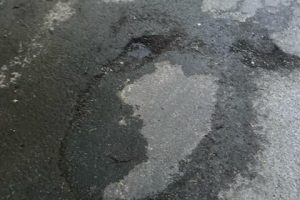
He said: “The question we always hear is where does the council tax money go? People are not happy, generally and cite potholes and so on.”
Showing a piechart, it showed 80% was spent in the area of education and social care, including children and family support.
“If we drill down a bit more, the adult department supplies 8,000 hours of domiciliary home care in Gwynedd every week, with over 400,000 hours a year” he said.
“This struck me and made me realise just what we do here.
“Over 1,500 Gwynedd residents received the council telecare services, a communication scheme which helped people to live at home safely and more than 100 individuals with learning difficulties following Cyngor Gwynedd’s Pathways to Work programme.
“In housing, more than 12,000 Gwynedd residents have received support from Cyngor Gwynedd’s Housing Action Plan, since it launched in April, 2020 – 12000 is a vast proportion of our population.
He added that “over 357 empty homes have been brought back into use with council support, 141 through the Empty Homes grant scheme and we have purchased 59 houses for intermediate rent and building houses for the first time in 20 years”.
In the children’s department, “93% of children stay with their families through Trobwynt’s scheme’s intervention and there had been 1,132 downloads of ‘Ap Niwro’ by individuals and families since January, since its launch. Over a 1000 downloads!

“The small group homes Tai Bychan project also looks very promising” with two houses in operation, and two more on the way, he said.
“I know someone with a family member, a child in one of these homes, and they say the difference it has made to them is astounding and it has transformed their lives. The small homes programme is completely fantastic.”
The council also had the highest provision of public toilets in Wales, with 61 traditional toilets and an additional 37 through a grant scheme.
“This council does fantastic work, it’s phenomenal, I believe that we are too modest to celebrate these successes.
“Eight thousand hours of domiciliary care a week – that is something we should all be proud of, we’re not perfect, but good heavens there is good work here, we must celebrate success and congratulate staff who work hard for the people of Gwynedd”.
Presenting projected figures, he explained that an overspend of £5.3m had occurred, with department budgets “insufficient to meet service demands”.
The main demand was in care with the 2025/26 (end of November review) showing the highest costs were adult health and well being, £3m and children and families, £1.8m.
The overspend was funded by reserves which was “not ideal” but the “good news” was that “the hard bargain struck in Senedd last year” had seen a Welsh Government “settlement which was “much better than anticipated”
Although 4.1% increase was amongst the lowest in Wales it was “better than we feared. We received an additional £10.4M to run essential services for the people of Gwynedd”.
As part of the budget projections, he also reported a salary increase of 4% for teachers and 3.4% for the remaining work force.
Coming to the budget equation with net spending and saving on one side and the Welsh government grant and council tax on the other he said it was estimated that an additional £23.3M would need to be spent to the next financial year.
“A spending requirement for 26/27 of £380m, the settlement from Cardiff Bay is £264m leaves a deficit of £116m to be filled using council tax and savings”, he said.
Some £664,000 of savings had already been approved, and approximately £250,000 of savings were available to address the funding gap in the next financial year.
“If we use this quarter of a million, this leaves us with a funding gap of just under £116m, which needs to be met by council tax,” he added.
Finance officer Dewi Morgan said: “It is always difficult to strike the correct balance between putting additional funding into services and trying to keep the council tax at a reasonable level for the Gwynedd residents.” But he considered the 2026/27 budget “robust, adequate, and achievable”.