

A SELFLESS Gwynedd mum who dropped everything to care for her stroke survivor daughter is sharing her story to highlight how loneliness can impact all those affected by brain injury.
Mum-of-four Avril Unsworth and her family’s lives were upturned when daughter Sophie had a stroke following brain surgery in 2016.
Sophie was just 19 at the time and had surgery for an arteriovenous malformation (AVM) – an abnormal tangle of blood vessels – in her brain after experiencing seizures.
Sophie, now 29, underwent three embolisations- a medical procedure that blocks blood flow in abnormal arteries or veins – but doctors said the fourth was too deep and required a specialist surgeon.
Mum Avril, who lives in Llwyngwril, said: “Unfortunately that operation went wrong – they went through a vein without knowing and she had a stroke.

“She was in a coma for months. We didn’t think she’d make it.”
When she came out of the coma, Sophie had to relearn everything- including walking and talking, communicating with her three brothers via handwritten notes.
Avril, 59, dropped everything to care for Sophie. But without her regular walking clubs and social groups, she began to feel isolated and alone.
She is sharing her story to highlight brain injury charity Headway UK’s annual campaign Action for Brain Injury (ABI) Week, with this year’s theme We See You, which explores how symptoms and circumstances of brain injury can affect your ability and desire to socialise.
Avril said: “Nobody really knew that Sophie was in hospital because as a family we didn’t share it with anyone; we sort of kept it to ourselves, so it was really lonely.
“Further into her recovery, she’d forget things, like leave taps running or cookers on. I couldn’t go out because I knew I needed to be there for her.
“I had to give up all the groups that I did. I used to go walking up mountains with the dogs and be out with friends and exercise groups – it was just so much fun. And then it just all came to a sudden standstill.
“I just work part-time now because I don’t feel like I’ve had much time myself for such a long time. The kids were almost flying the nest when Sophie’s health changed and then it was like it was back to having a child.”
Avril and Sophie are far from alone in their experiences of loneliness after brain injury as results from Headway UK’s research show that a staggering 87 per cent of brain injury survivors and 85 per cent of carers feel lonely after brain injury, despite never having felt lonely before.
Earlier this year, Headway launched two surveys: one for individuals with a brain injury and one for carers to share what loneliness and isolation after brain injury looks like.
Key findings from the surveys also highlighted that:
- Isolation is commonly experienced: 83 per cent of brain injury survivors and 69 per cent of carers feel isolated from friends after brain injury.
- Social activity changes after brain injury: Almost two thirds of survivors (63 per cent) and just under half of carers (45 per cent) are unable to participate in the same social activities as they did pre-injury. 32 per cent of survivors and 24 per cent of carers are no longer invited to social events, and around a third (38 per cent of survivors and 31 per cent of carers) are no longer contacted by others.
- Headway is here to help: 72 per cent of survivors and 71 per cent of carers who attended a local Headway charity or volunteer-led branch felt that attending helped them to feel less lonely. They said how Headway helped them to connect with others, giving them space to be themselves, directing them to services they otherwise may not have found and giving them a sense of purpose and direction.
Thankfully Avril and Sophie- who is now married and back driving – found Headway.
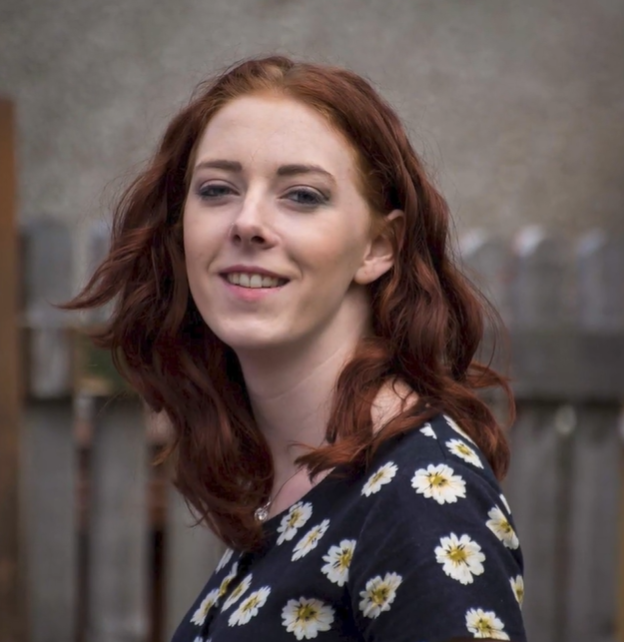
The pair attended Headway Meirionnydd to meet others affected by brain injury and say their lives have changed for the better since.
“From that first meeting, it’s just been amazing how our lives have changed,” Avril said.
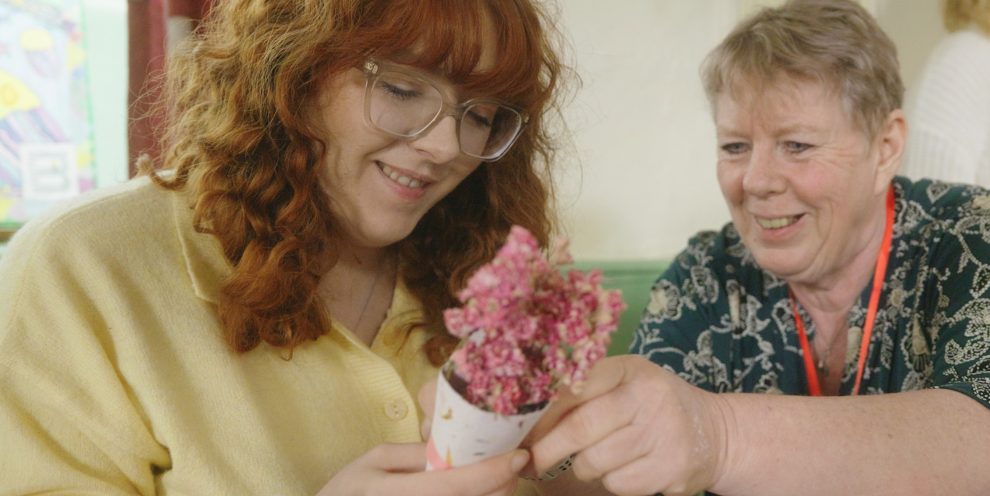
“Sophie shines when she comes in the room. She’s a happier person, especially when we do activities like paper making with flowers or her favourite activity, Boccia. The competitiveness comes out in her, it’s hilarious to see!
“Her personality just comes out, and I think Headway did that for Sophie.
“Headway also got me involved with lots of different clubs in the village, so I got to know people.
“If our story can help just one other family to say that there is light at the end of the tunnel; there is hope and you can get through this.”
Colin Morris, Director of Communications at Headway, said: “Loneliness and isolation extend far beyond being alone.
“We See You focuses on the many forms this can take- from social loneliness and physical isolation to digital and financial disconnection.
“We See You also highlights the profound impact a brain injury has on loved ones and carers, like Avril. A brain injury doesn’t just affect the individual – it can bring life-altering changes to routines, relationships and the dynamics of entire families and friendship circles.
“Across the Headway network, we also see the power of mutual support, where survivors and carers support one another through shared understanding, connection and community in local Headway charities and volunteer-led branches. This year’s campaign looks to encourage these open conversations about emotional well-being, helping survivors and their loved ones feel seen and heard.”
Watch Avril’s story here: Action for Brain Injury Week 2026 | We see you, Avril and Sophie To view the full results of our surveys, visit: Brain injury survey results | Headway