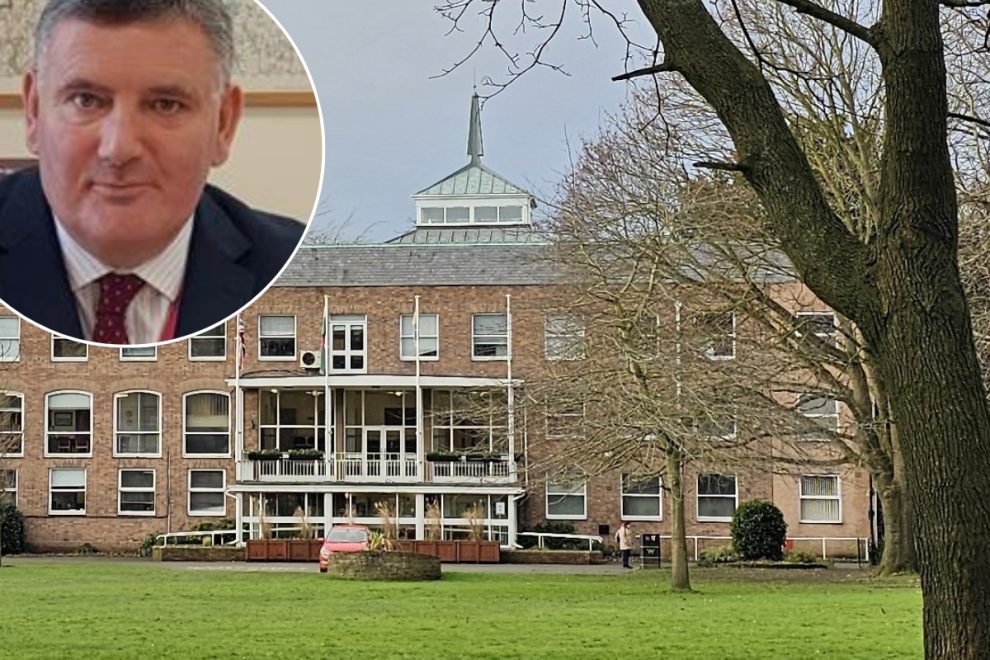

THE LEADER of Wrexham Council has called on Welsh Government to look again at the draft settlement – despite Wrexham being granted the fifth highest increase in Wales.
Wrexham County Borough Council – alongside Torfaen – has been allocated a 3% rise in the Welsh Local Government Settlement – the centrally-allocated Welsh Government funding that pays for the core costs of Wales’ 22 local authorities.
The council had originally projected it would face a £33.6m budget gap over the next three years based on a 1.5% increase to its settlement for 2026/27.
This draft settlement exceeds expectations, equating to an additional £7.7 million and increasing Wrexham’s annual budget from almost £255.6 million to £263.3 million.
But the Leader of the Council, Cllr Mark Pritchard, said the proposed award was not enough to protect council services and prevent cuts in council staff.

“I strongly urge Welsh Government to look again at the reality facing councils and to increase the final settlement,” he said.
“Without additional support, the strain on councils to deliver essential services to the public will become untenable. The pressures on council workforces will only get worse and redundancies will be inevitable.”
Jayne Bryant MS, Cabinet Secretary for Housing and Local Government said: “This is just the beginning of the budget process. It is our firm ambition to secure a final budget which uses all the resources available for 2026/27, safeguards jobs and protects frontline public services.
“The First Minister and the Cabinet Secretary for Finance and Welsh Language have been clear it is our collective responsibility to pass the Welsh Budget. We are committed to working with all parties to do just that.
“The provisional settlement provides £6.4bn from the Welsh Government Revenue Support Grant (RSG) and Non-Domestic Rates (NDR) to spend on delivering key services. This is an average increase of 2.7% on a like-for-like basis and includes an additional £5.5m (on top of the £8.6m allocated at draft budget) to ensure no authority receives an increase of less than 2.3%.
“We are all aware of the pressures on households. In 2013-14, we made a choice as a country to protect vulnerable and low‑income households across Wales by maintaining full entitlements to support with their council tax bills, under our national Council Tax Reduction Scheme (CTRS), a choice that has been made every year for more than a decade. The tailored nature of our national scheme means this support is targeted towards those who need it most.
“We continue to work closely with local government throughout the year reflecting the Strategic Partnership Agreement between the Welsh Government and local government in Wales that was signed earlier this year.
“The setting of budgets – and in turn council tax – is the responsibility of each local authority and authorities will need to take account of the full range of sources of funding available to them, as well as the pressures they face. I encourage councils to continue to carefully balance the impact of increases on household finances with the loss of support and services. I know that across Wales, leaders, elected members and officers alike will be striving to find ways to make the best use of their resources to make the most difference for their communities.”
The draft budget is subject to negotiation and local authorities across Wales will be making their case for improved funding over the next couple of months.
Meanwhile for the first time since 2018 Flintshire County Council is not among the bottom three authorities in Wales in the draft settlement.
The Welsh Local Government Settlement has this year retained the floor of 2.3% for all local authorities – meaning no council will receive an increase less than that.
That means the 10 authorities in the lower half of the table – which includes Flintshire – have each received a 2.3% uplift in funding.
Of those, Flintshire has received the largest cash amount however, with the council set to see its budget increase by around £6.49 million from £282.4 million to £288.8 million.
That means currently Flintshire’s potential funding award ranks it 12th in Wales – with the authority in-line to receive a greater cash amount than ninth-placed Denbighshire.
The last time Flintshire was ranked mid-table among Wales’ 22 local authorities was in 2017/18, when its settlement was the 11th highest.
The authority is currently facing a £21 million funding gap for 2026/27.
Flintshire Council was approached for comment.