

CAERPHILLY has been named the best place in Wales to forage for wild foods this season, according to a new study.
UK gardening supplier Hedges Direct analysed data on 13 of the most popular foraging foods to see where in the UK each one is most plentiful, and which places provide the best opportunities for foraging overall. The analysis looked at the total number of foraging spots in each local authority per 100km² of land to find the best areas for foraging, as well as per 100,000 residents to work out the least competitive foraging spots.
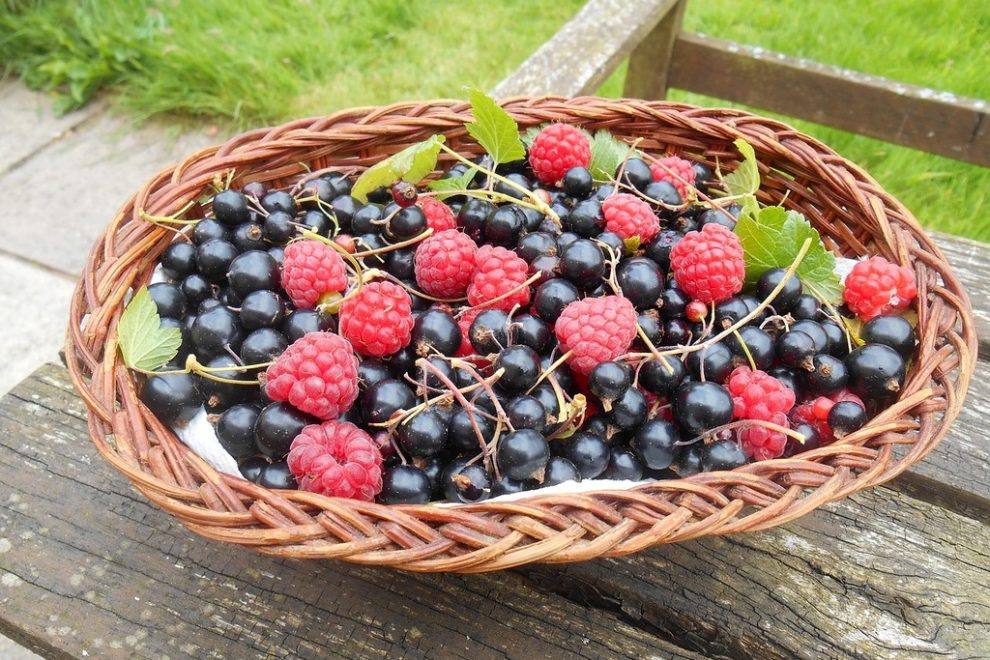
Caerphilly came out on top in Wales with 36 foraging spots per 100km², placing it 26th in the UK. Blackberries are the county borough’s most abundant foraging crop with 1,472 records, followed by hawthorn on 1,270 and hazelnuts on 1,181.
Cardiff takes second place with 32 foraging spots per 100km², ranking 33rd nationally. Blackberries again top the count in the Welsh capital with 696 records, with hawthorn and hazelnuts tied on 560 each. The Vale of Glamorgan follows in third on 29, where blackberries (1,516 records) and hawthorn (1,286) are in the most generous supply.
Swansea ranks fourth in Wales with 26 foraging spots per 100km² – and no Welsh area offers a denser supply of blackberries, with 2,477 records of the fruit. Newport completes the top five on 22.

Away from the south coast, Powys stands out on the study’s second measure. The largely rural county recorded 30,473 foraging spots in total among a population of 135,059 – a rate of 22,563 per 100,000 residents, the third highest in the UK. Monmouthshire also performs strongly, ranking 16th nationally with 11,440 foraging spots per 100,000 residents.
Nationally, the top spot for foraging density went to Rotherham in South Yorkshire with 131 foraging spots per 100km², followed by Halton in Merseyside on 127 and the Isles of Scilly in Cornwall on 125.
Wales’ ten best areas for foraging are:
| Regional rank | Area | Foraging spots per 100km² | UK rank |
|---|---|---|---|
| 1 | Caerphilly | 36 | 26 |
| 2 | Cardiff | 32 | 33 |
| 3 | Vale of Glamorgan | 29 | 37 |
| 4 | Swansea | 26 | 42 |
| 5 | Newport | 22 | 58 |
| 6 | Merthyr Tydfil | 22 | 60 |
| 7 | Flintshire | 21 | 62 |
| 8 | Blaenau Gwent | 17 | 90 |
| 9 | Neath Port Talbot | 16 | 99 |
| 10 | Monmouthshire | 15 | 111 |
Source: Hedges Direct, UK’s Best Foraging Hotspots study, 2026.
Martin Chaplin, Head of Horticulture at Hedges Direct, commenting on the findings, said: “Whether you’re a seasoned forager or just getting started, foraging is a fantastic way to build a relationship with the land around us, spend more time in nature and even benefit directly from the freshly wild-harvested foods you pick up along the way.
“Knowing what you can forage where is a great starting point, as it gives you the best chance of finding what you’re after.
“Thankfully, some of the UK’s most popular foraging crops – such as blackberries, elderberries, hawthorn, stinging nettles, hazelnuts, rosehip and sloe berries – are in abundance in many places, making them a good choice for those new to foraging.
“Other edible plants, such as chanterelle and porcini mushrooms, are located in more specific locations, and so may require a bit of travel if you’re not lucky enough to live in an area where these foods flourish.
“There are often local foraging courses or group foraging activities you can join if you’re new to foraging – these will help you learn how to find, identify and pick or harvest a range of wild plants.
“Otherwise, take someone with you who has experience and can help you avoid any potentially dangerous or poisonous foods.

“It’s also important to be aware of Wild Food UK’s foraging code and the Countryside Act where it relates to foraging, to ensure you’re not accidentally breaking any laws and are remaining ethical and respectful to the land.”