
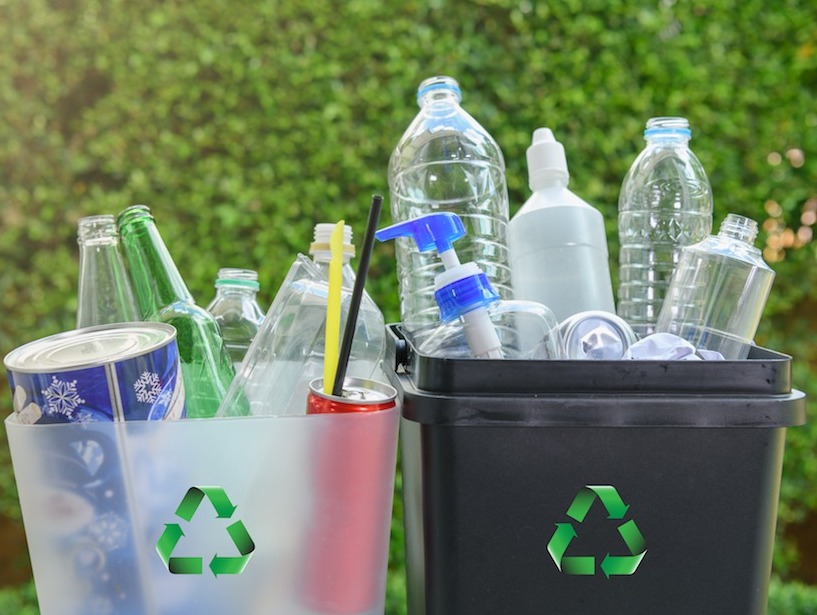

MONMOUTHSHIRE COUNTY COUNCIL has achieved a remarkable recycling milestone, finishing second in Wales for its recycling rate in the 2024–25 reporting year. According to recently published figures, 72.3% of waste collected in Monmouthshire was reused, recycled, or composted, just behind Pembrokeshire at 73.5%. Wales as a whole continues to lead internationally, ranking second in the world for recycling performance, just behind Austria. This reflects municipal recycling rates, a measure of how much local authority waste is reused, recycled, or composted compared with total waste collected.
Wales’ recycling journey has been transformative. In the 1990s, recycling rates were around 5%, but sustained investment and public participation have helped the nation achieve an overall recycling rate of 68.4% in 2024–25. Today, only 0.7% of waste in Wales goes to landfill, compared with around 95% in the late 1990s, demonstrating significant systemic change. Over £1 billion has been invested since devolution to support waste reduction and recycling programs across households, businesses, and local authorities.
Recent improvements have also been driven by new workplace recycling regulations introduced in April 2024, requiring businesses, public sector organizations, charities, and waste collectors to separate key recyclable materials. Since the rules came into effect, Welsh local authorities have collected over 8,000 additional tonnes of recyclable materials from workplaces, a 42% increase compared with the previous year, while residual waste has fallen significantly.
Catrin Maby, Monmouthshire County Council’s Cabinet Member for Climate Change and the Environment, praised the achievement as “wonderful news and testament to the hard work and dedication of people across Monmouthshire.” She emphasized the importance of recycling in reducing carbon emissions and protecting local soils, rivers, and seas. “The story of recycling in Wales is a really good example of what we can achieve when we work together as a society. We still have further to go, but we have shown that we can do it,” she said.For more information and updates, visit Monmouthshire County Council’s website at monmouthshire.gov.uk or follow them on social media: Facebook /MonmouthshireCC, Facebook (Welsh) /CyngorSirFynwy, and X/Twitter @MonmouthshireCC.