

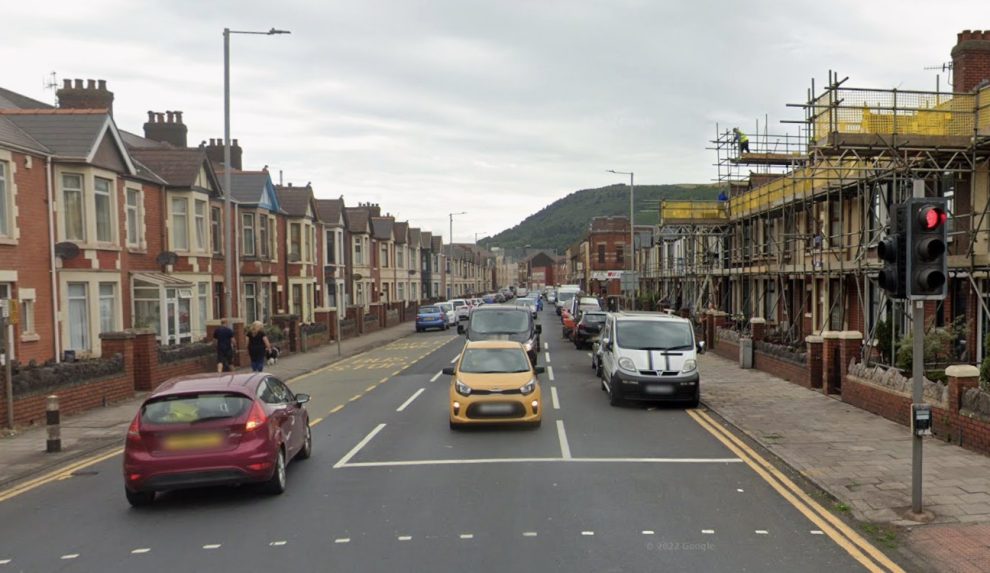

PLANS to turn a former residential property in Port Talbot in to a house in multiple occupation (HMO) have been approved by Neath Port Talbot Council.
The plans for the property located on Talbot Road, Port Talbot, were given the go-ahead by members at a council planning committee held in August of 2025.
It will see the mid-terraced dwelling-house granted a change of use to be used as a six-bedroom licensed HMO.
The contentious proposal was brought to the committee after objections from local residents and councillors who had fears over a lack of parking and the levels of noise and disturbance that could be caused by the site.
Others also had concerns about a potential increase in anti-social behaviour and crime in the area, as well as impacts on community cohesion with other HMOs located in the area.

The report said the nearest HMO to the proposed new property was also located in Talbot Road, around 55 metres away, with a further site located at Cwrt Ucha Terrace.
Local ward member Saifur Rahaman said the proposal was not in keeping with the residential area that was largely made of family homes, highlighting that residents were “highly concerned” about its impact.
Councillor Sharon Freeguard of Port Talbot said the number of HMOs in the area was destroying the community and urged members to refuse the application.
Others at the meeting questioned why the authority used Swansea Council’s policy for the development of HMOs in the borough, as it was a student city with a very different demographic to Neath Port Talbot.
Councillor Matthew Crowley added that he was “sick to the teeth” of planning policies that didn’t work on the ground, noting that he’d like to see one put in place that suited the needs of the people.
However, officers said they recommended the plans as the development would make no more difference to parking standards than that of a residential development, adding that there was no evidence to suggest it would impact the character of the area.
Following a question from Councillor Suzanne Paddison, officers also said if the plans were to be rejected, without identifying what harm the development would bring to the area, the authority could face an appeal with costs from the applicant.
It was later passed after a vote of eight members to two – though many noted that this was with a heavy heart.