

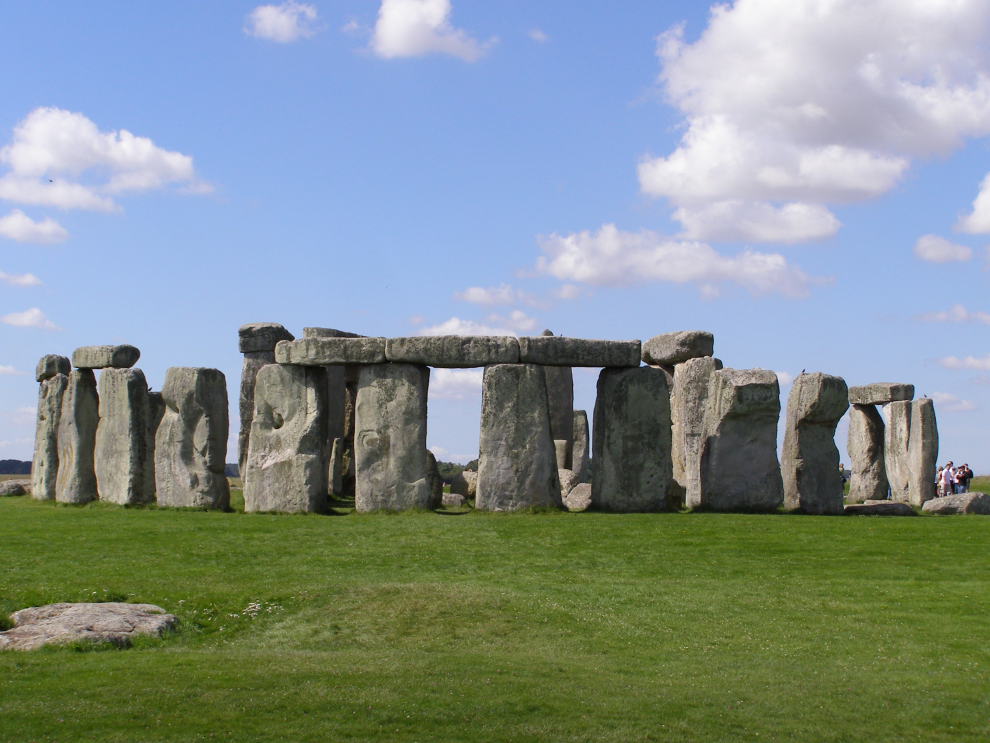

THE enduring mystery of Stonehenge’s so-called bluestones has puzzled historians and scientists for generations. Now a new book claims the answer lies not just in engineering, but in sound, light and spectacle.
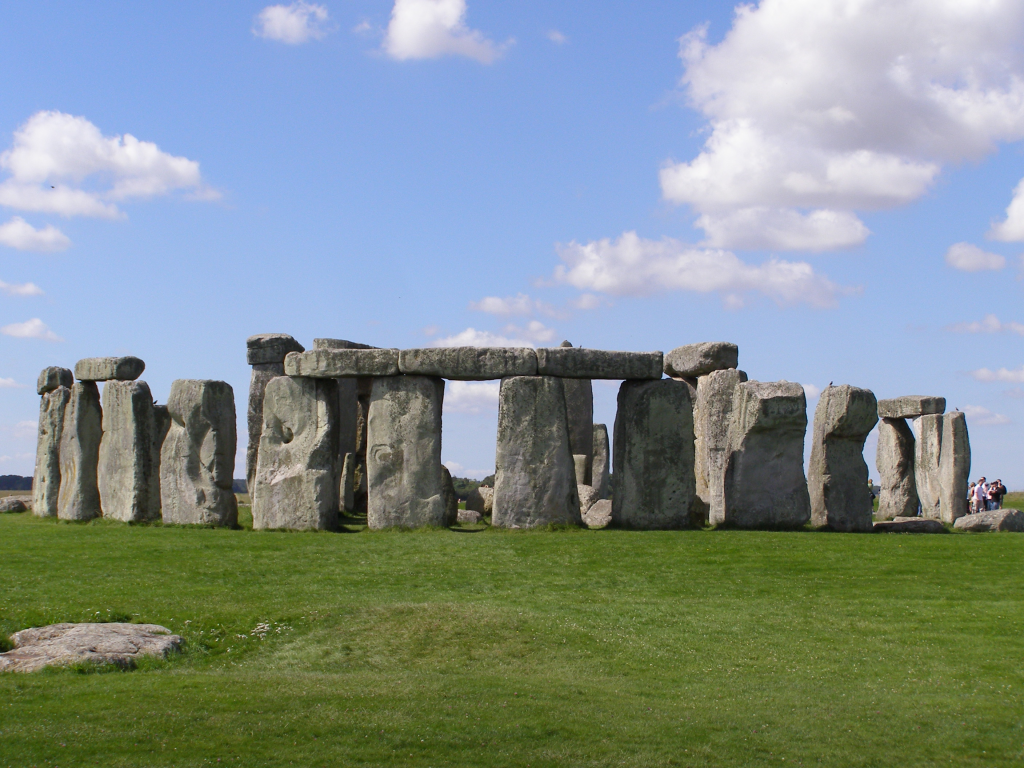
According to the theory, the massive boulders were dragged more than 140 miles from the Preseli Hills of Pembrokeshire to Salisbury Plain around 5,000 years ago because of their remarkable visual and acoustic qualities. When polished, the stones are said to have sparkled under the night sky and rung out “like bells” when struck.
Stonehenge was constructed using stones sourced from across Britain, but the transportation of the Welsh bluestones remains its greatest enigma. Why communities went to such extraordinary lengths to move them from west Wales has long been debated.
Author Alun Rees argues that the answer lies in the unique geology of the dolerite stones. He believes they were deliberately polished to resemble the Milky Way and used as resonant instruments during ancient solstice ceremonies.
He said the polished bluestones “sparkled with quartz-like mineral ‘stars’, mimicking the night sky.” Mr Rees believes the stones’ outer grey, oxidised layer was carefully “pick dressed” to preserve their polished appearance once they were erected at Stonehenge.

He also claims the bluestones functioned as “lithophones”, producing bell-like tones when struck with another stone.
Mr Rees added: “These astonishing properties of the bluestones are scientific fact which surely made them sacred to our Neolithic ancestors.”
In his view, these characteristics help explain the immense logistical effort involved in transporting the stones some 150 miles from Pembrokeshire to Wiltshire.
Drawing on evidence from a leading expert on the Bristol Channel, a Trinity House master mariner, Mr Rees suggests the bluestones could have been moved largely by sea. He believes they may have been sailed from the Pembrokeshire coast to the River Avon, using the Bristol Channel’s vast 42-foot tidal range as a natural conveyor belt, completing the journey on six tides in just nine days.
Mr Rees has brought together research from dozens of academic sources to present his theory to a wider audience for the first time in his book, Stonehenge Deciphered: Astonishing Secrets of the Iconic Henge.
He said: “Archaeologists identified a layer of chipped and broken bluestone at Stonehenge in the 1950s known as the Bluestone Layer or Bluestone Debitage.
“Renowned Stonehenge experts Tim Darvill and Geoffrey Wainwright excavated at the henge in 2008 and concluded the layer was not the product of a one-off dressing of the stones but of a polishing or ‘pick-dressing’ process over millennia.
“The English Heritage gift shop at Stonehenge also acknowledges the night-sky iconography of the stones.”