

New analysis says the county’s net zero sector supports 1,600 jobs and accounts for 5.3% of local economic output
PEMBROKESHIRE has been named as one of Wales’ leading “net zero economy” hotspots, with new analysis suggesting the sector now supports around 1,600 jobs in the county.
The report, commissioned by the Energy and Climate Intelligence Unit and carried out with CBI Economics and The Data City, found that net zero-related industries contribute £4bn in Gross Value Added across Wales and support more than 41,300 jobs.
That represents 4.3% of Wales’ total economic output and 3.1% of employment.
Pembrokeshire was listed among the strongest-performing areas, alongside Wrexham, Rhondda Cynon Taf and Newport.
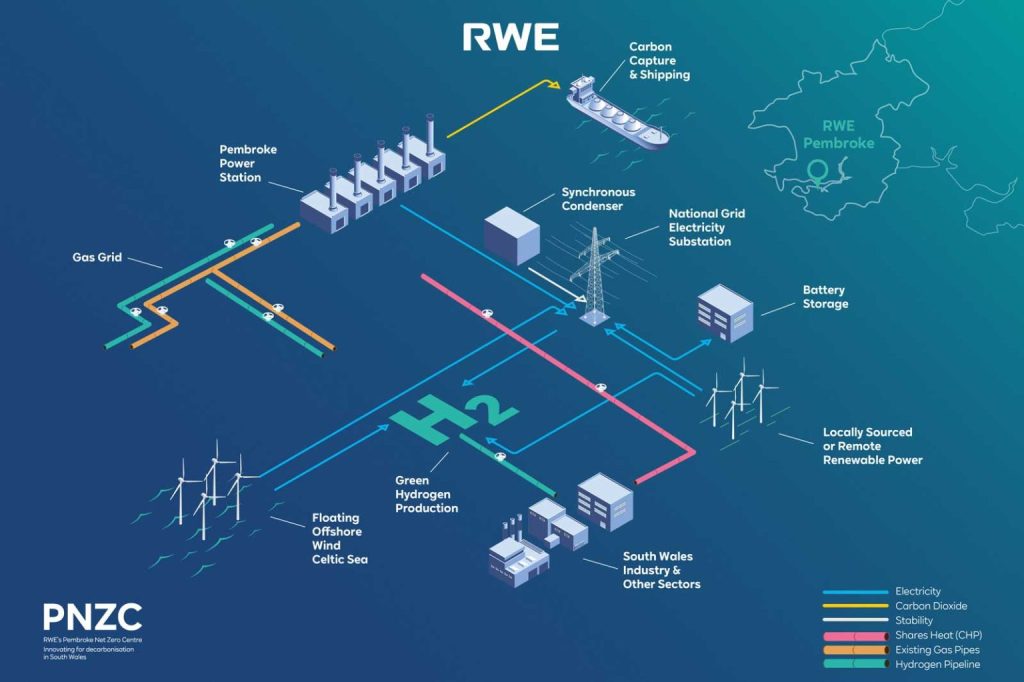
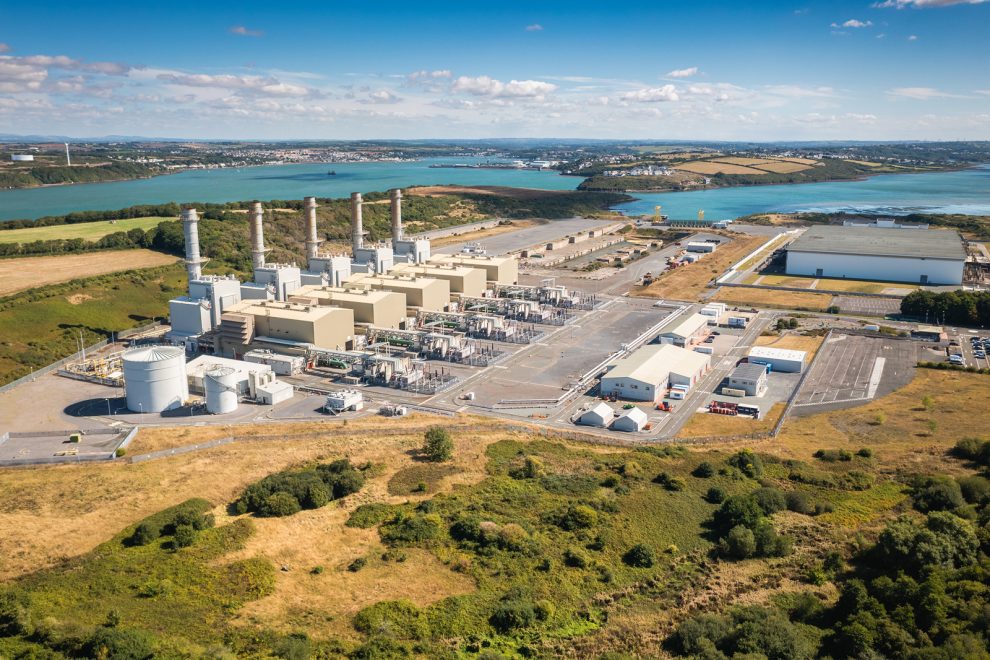
The county’s net zero economy was said to account for 5.3% of local GVA, with its position linked to emerging low-carbon infrastructure, including the consented 100MW green hydrogen facility at the Pembroke Net Zero Centre, battery storage projects, and local solar installation businesses.

Wrexham recorded the highest share of local economic activity supported by net zero industries, at 7%, followed by Pembrokeshire, Rhondda Cynon Taf and Newport.
Across Wales, the report found more than 1,300 businesses are now part of the net zero economy, with 87% of them classed as small or medium-sized firms. Around 15% have started up within the last five years.
The analysis also claims workers in the sector are highly productive, generating an average of £117,500 of value each — around 1.7 times the Welsh average. Average earnings in the sector were put at £39,812, around 11% higher than the Welsh industry average of £35,796.
Jobs identified in the report include energy generation, manufacturing, construction, engineering and professional services, with firms involved in solar panels, electric vehicle charging, renewable heating and low-carbon technologies.
Russell Greenslade, CBI Wales Director, said Wales had a major commercial opportunity because of its natural assets, advanced manufacturing base and established supply chains.
He said: “This new report underlines just how central the net zero economy is to our future prosperity.
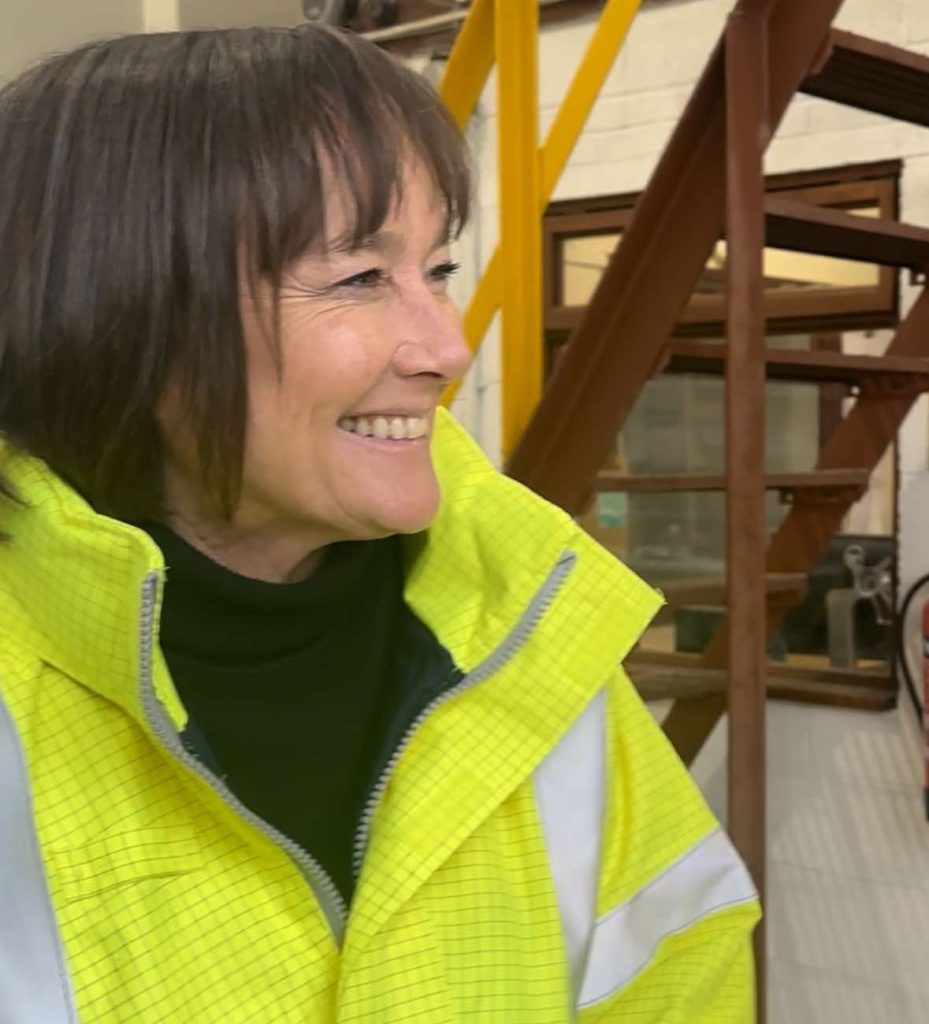
“From onshore and offshore wind to carbon capture and emerging clean technologies, Wales can be at the forefront of the UK’s energy transition, with high-value, highly productive jobs created in every part of the country.
“The UK and Welsh Governments must now work in partnership with business to seize that opportunity. That means creating a stable, competitive business environment and investing in the skills that will enable Welsh workers to thrive in the energy transition.”
Peter Chalkley, Director of the Energy and Climate Intelligence Unit, said reaching net zero was not only about tackling climate change, but had become a major part of the Welsh economy.
He said Wales was part of a global race to build competitive clean industries, warning that jobs and livelihoods could be at risk if policy shifted and Wales fell behind.

The report also identifies a potential £13.1bn renewable energy generation infrastructure pipeline in Wales, representing 10.9GW of capacity, although it warns that not all of that pipeline is guaranteed to be built.
Welsh Secretary Jo Stevens said the UK Government was putting Wales “at the heart” of its clean energy plans.
She said: “The UK Government is putting Wales at the heart of our clean energy mission, with £2.5 billion invested in new nuclear in Wylfa, and up to £64 million to support floating offshore wind in Port Talbot.
“We’re determined to go even further, including by speeding up the delivery of major clean energy infrastructure projects by protecting them from legal challenges and delays.
“That’s because the UK Government recognises the key role that the Welsh clean energy industry plays in boosting the country’s economic growth, securing our energy independence, bringing down household bills, and supporting over 40,000 jobs in Wales.”
The findings are likely to be closely watched in Pembrokeshire, where the future of heavy industry, the Haven Waterway, floating offshore wind, hydrogen and grid infrastructure are all central to long-term economic plans.
While supporters say the transition could bring skilled jobs and major investment, questions remain over planning, infrastructure, local benefit, and whether promised projects will be delivered at scale.