

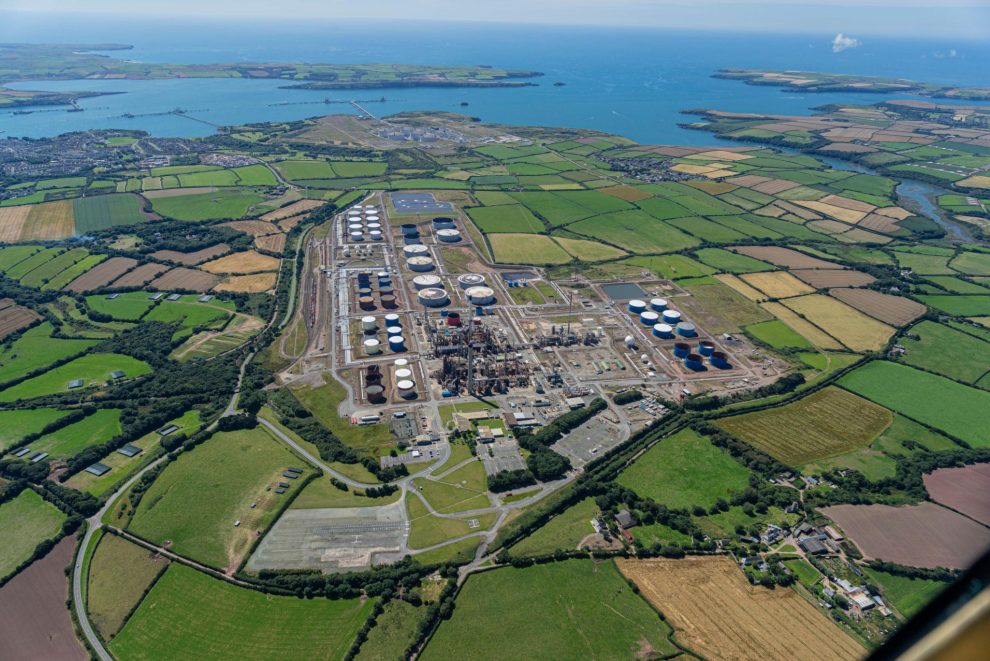

A MAJOR new hydrogen production facility worth around £50 million is expected to begin construction in Milford Haven later this year, marking another step in Pembrokeshire’s transition towards low-carbon energy.
The West Wales Hydrogen project, planned for land at the Impala Terminal within the port of Milford Haven, will transform part of a former oil refinery site into one of the UK’s early commercial-scale hydrogen production facilities.
Developers say the plant could create around 60 jobs during construction and support about ten permanent roles once operational, with commissioning currently targeted for early 2028.
The project is being led by MorGen Energy, a Zurich-based company founded in 2021 to develop large-scale green hydrogen projects across Europe.

Built at former refinery site
The facility will be located at the Impala Terminal site, formerly operated by Puma Energy, which historically handled refined oil products.

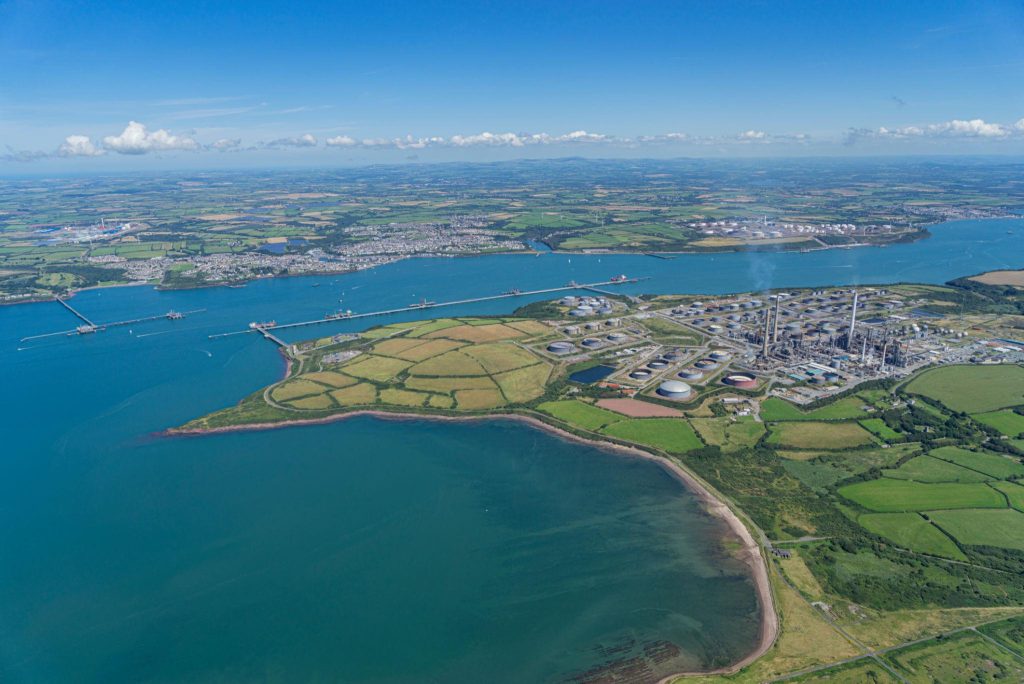
Milford Haven has long been known as the UK’s largest energy port, home to major LNG import terminals and oil infrastructure. Supporters of the hydrogen scheme say the new plant will help the port shift gradually towards cleaner energy technologies while making use of existing industrial infrastructure.
The project also sits within the Celtic Freeport zone, an area covering Milford Haven and Port Talbot that aims to attract investment into low-carbon industries, advanced manufacturing and renewable energy.
MorGen says the plant will benefit from the port’s existing storage facilities, energy connections and shipping infrastructure.
How the hydrogen will be produced
The proposed plant will produce hydrogen using electrolysis, a process which splits water into hydrogen and oxygen using electricity.
When powered by renewable energy, this method produces low-carbon or “green” hydrogen, which can be used as an alternative fuel in heavy industry.
Once fully operational, the facility is expected to produce around 2,000 tonnes of hydrogen per year. Developers estimate this could cut more than 15,000 tonnes of carbon dioxide emissions annually, compared with conventional fossil fuel-based hydrogen production.
Electricity used to power the plant is expected to come largely from renewable energy sources, particularly wind farms.
Hydrogen produced at the facility could be used for several industrial purposes, including:
• industrial heating
• manufacturing processes
• heavy transport
• decarbonising port operations
Government backing
The project has received backing through the UK Government’s Hydrogen Allocation Round (HAR), a funding programme designed to support the development of low-carbon hydrogen production across the country.

The scheme aims to help the UK develop a domestic hydrogen industry capable of reducing emissions from sectors that are difficult to electrify.
Welsh Secretary Jo Stevens said the project showed Wales was playing a leading role in the shift to cleaner energy.
She said the investment would help create jobs while supporting economic growth.
UK Energy Minister Michael Shanks said hydrogen would play a crucial role in cutting industrial emissions and strengthening energy security.
Industrial uses for hydrogen
Energy experts say hydrogen is particularly important for sectors that require extremely high temperatures, such as steel, glass, ceramics and heavy manufacturing, where electrification alone may not be practical.
Professor Sara Walker, an energy specialist at the University of Birmingham, said hydrogen could allow these industries to reduce their reliance on fossil fuels.
She explained that many industrial processes already use hydrogen, but most of it is currently produced from natural gas. Producing hydrogen using renewable electricity instead could significantly reduce carbon emissions.
A growing energy hub
Milford Haven has increasingly been identified as a key location for the UK’s emerging hydrogen economy.
The port already handles large volumes of energy imports, including LNG, and its industrial landscape has attracted several proposals linked to hydrogen, floating offshore wind and carbon capture.
Supporters argue the new hydrogen plant could help position Pembrokeshire at the centre of Britain’s clean energy transition, while maintaining the area’s historic role as a major energy hub.
MorGen Energy chief executive Werner Lieberherr described the project as a major milestone for both the company and the UK hydrogen sector.
He said it demonstrated that green hydrogen projects in the UK were becoming viable long-term infrastructure investments.
If delivered on schedule, construction could begin later this year, with the facility expected to start producing hydrogen by 2028.