
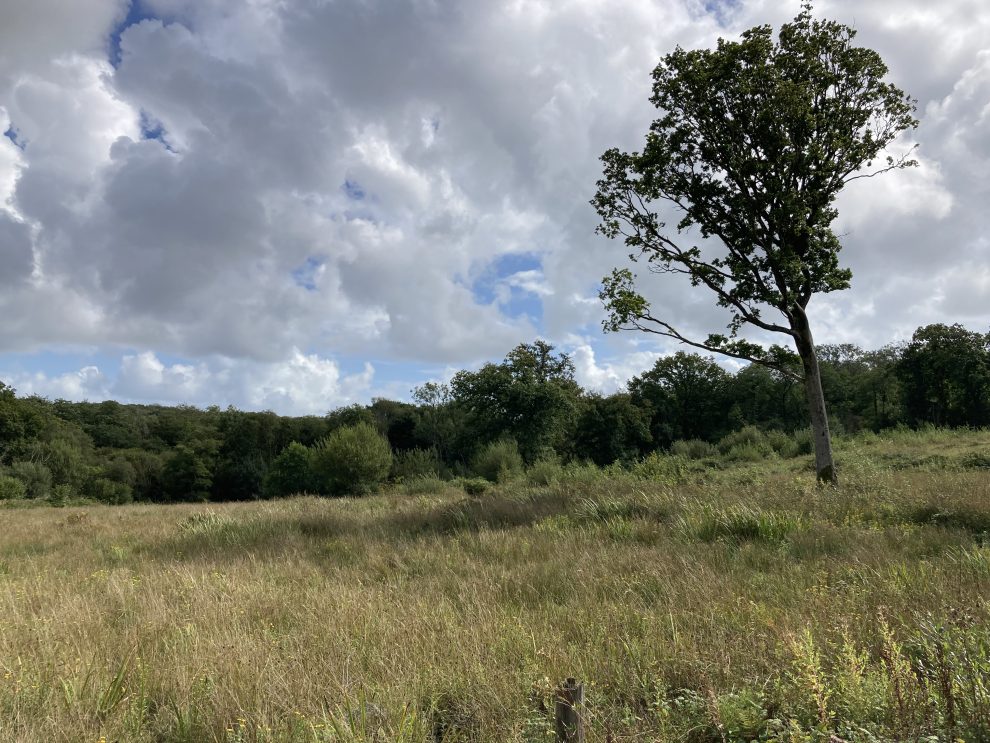

DETAILS of plans to manage and restore 43 acres of land in Gower where trees were illegally felled and their stumps pulled out have been unveiled.
Grassland will be restored and pockets of woodland comprising oak, hazel, rowan, hawthorn and maybe some holly will be planted. Destroyed hedges will be replaced.
New ponds are also in the offing at The Old Forge, Cartersford Lower Farm, Lower Fairwood, and, longer term, cattle will be introduced to graze and help create niches for new wildife.
Prior to all that, fencing will be put around the boundary of the site to prevent wandering sheep and cows from getting in.
The land in the Gower National Landscape, formerly known as the Gower Area of Outstanding Natural Beauty, was bought by conservation group the Gower Society, whose aerial images of cleared woodland played a part in the conviction of the former landowner.

The society has now granted a 25-year-lease to the Wildlife Trust of South and West Wales to manage the site, and members of both groups toured the area on Monday, September 1.
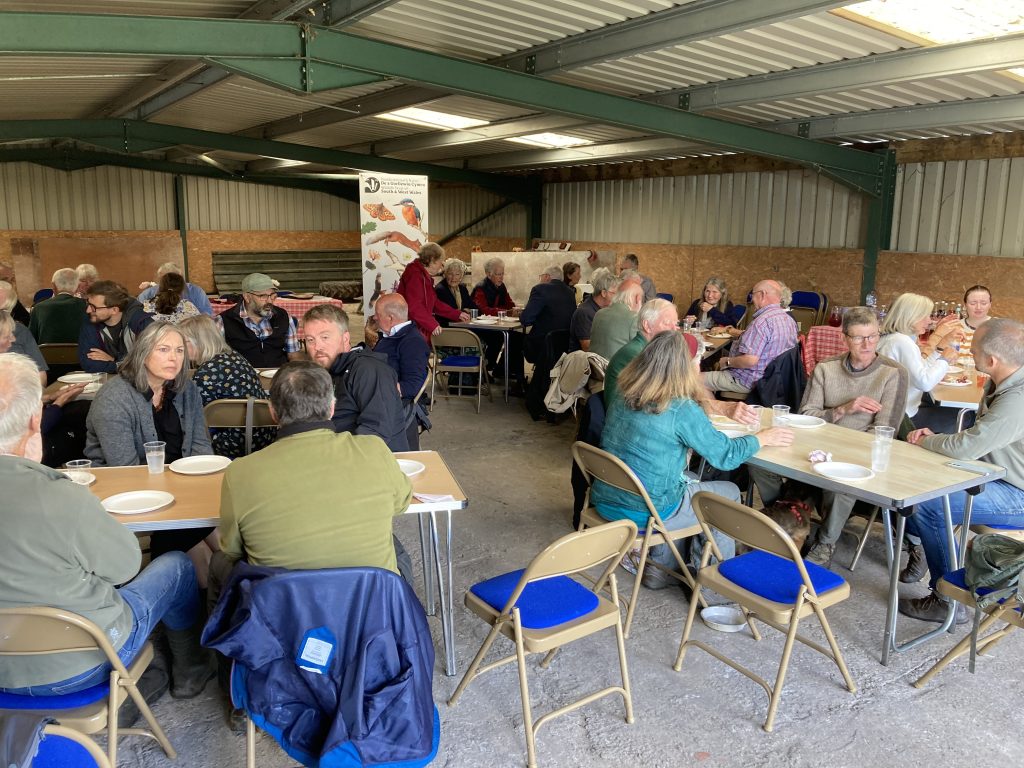
Glyn Morgan, of the Gower Society, said the society did more work than people thought such as repairing churches, maintaining footpaths, and sponsoring agricultural shows and trips for urban schools. Money bequeathed to the group, he said, was very helpful.
“What better way to invest in nature recovery as we have done at Cartersford,” he said, referring to the land in question. “The aim is to repair, replace and restock with nature this part of Gower which was so brutally destroyed.”
Society colleague Gordon Howe said his group had brought the tree-felling activity to the attention of the authorities and that, in his view, the designated status of the Gower landscape was “meaningless” in being able to prevent it.
“The laws just don’t stack up to stop people doing these things to the environment,” he said.
Former landowner Thomas Jeffrey Lane was eventually convicted in court in 2022 of breaching a section of the Forestry Act having cut down around 21 acres of woodland without holding an appropriate licence, along with non-compliance with an enforcement notice to restock trees he had previously felled in 2019.
He appealed, was found guilty again and would later have a confiscation order significantly increased from £11,280 to £78,614.
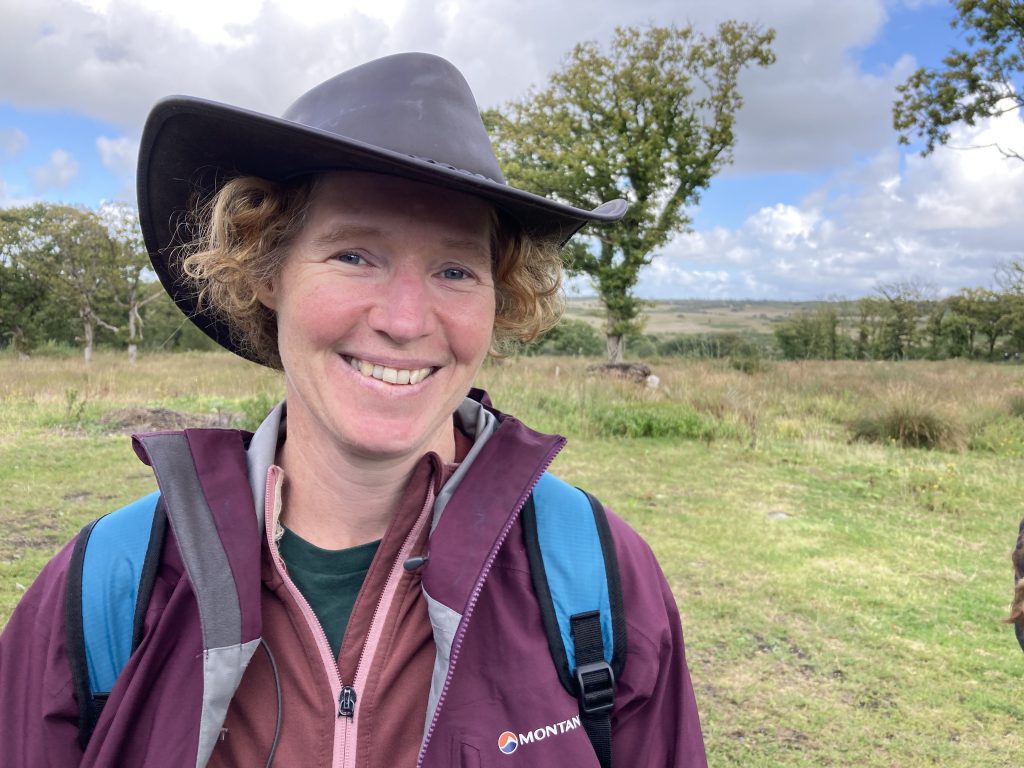
Paul Culyer, chairman of trustees of the Wildlife Trust of South and West Wales, said he was struck by what a “wonderful place” it was. “We are really looking forward to getting to grips with this site,” he said.
Nature has been recovering to some extent after the felling and clearance ended. Wildlife trust volunteers have been on site since April 1 although the management plan has been evolving.
Trust reserves manager Paul Thornton said doing nothing would allow willow and brambles to take over.

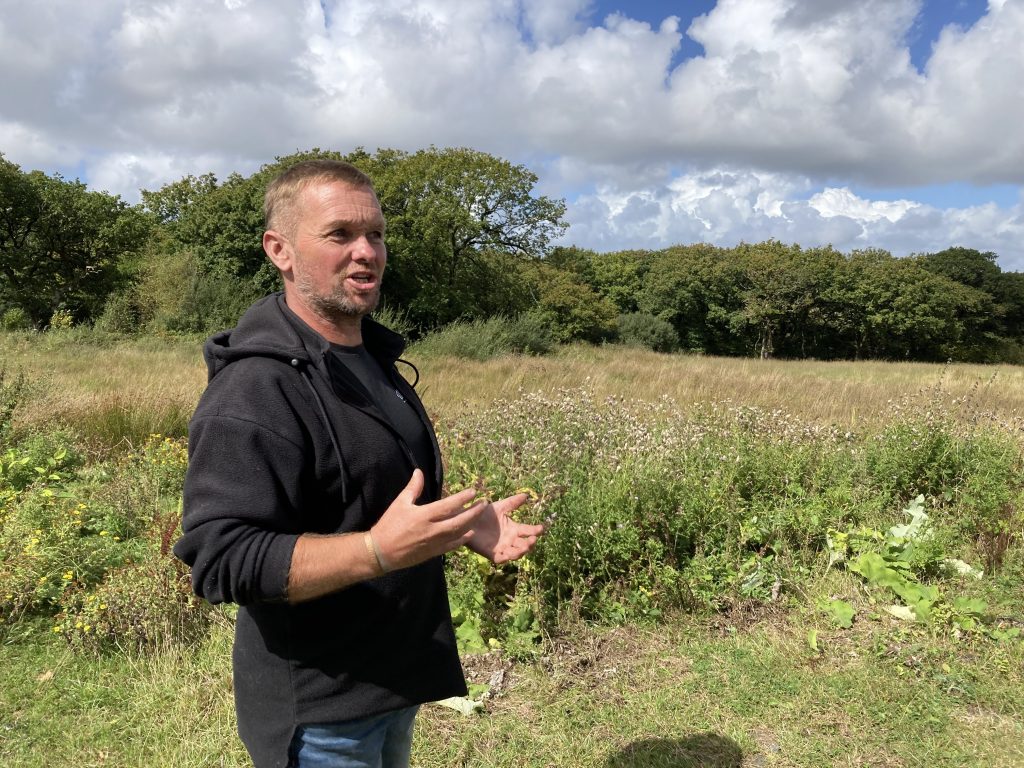
He said around one-and-a-half hectares (3.7 acres) of trees would be planted over the winter. Asked what the land could look like after the 25 year-lease ended, he said: “You would not be able to see through the site as you do now.
There would be a mix of ages (of trees) and a mix of habitats, some controlled grazing, and it would be bursting with biodiversity.”
There won’t be public access but open days could take place and people can get involved by volunteering for the trust.
The new reserve is expected to improve habitat connectivity by linking it with four existing reserves and commons nearby.
Also present on September 1 was Dawn Thomas of the Gower Society’s youth programme, which organises monthly family activities, school field trips and sponsors things like wildflower meadow creation within school grounds.
She said it was all about getting young people to connect with nature. “The best thing is when they go to their parents and say can they go back again or show it to their friends,” she said.