

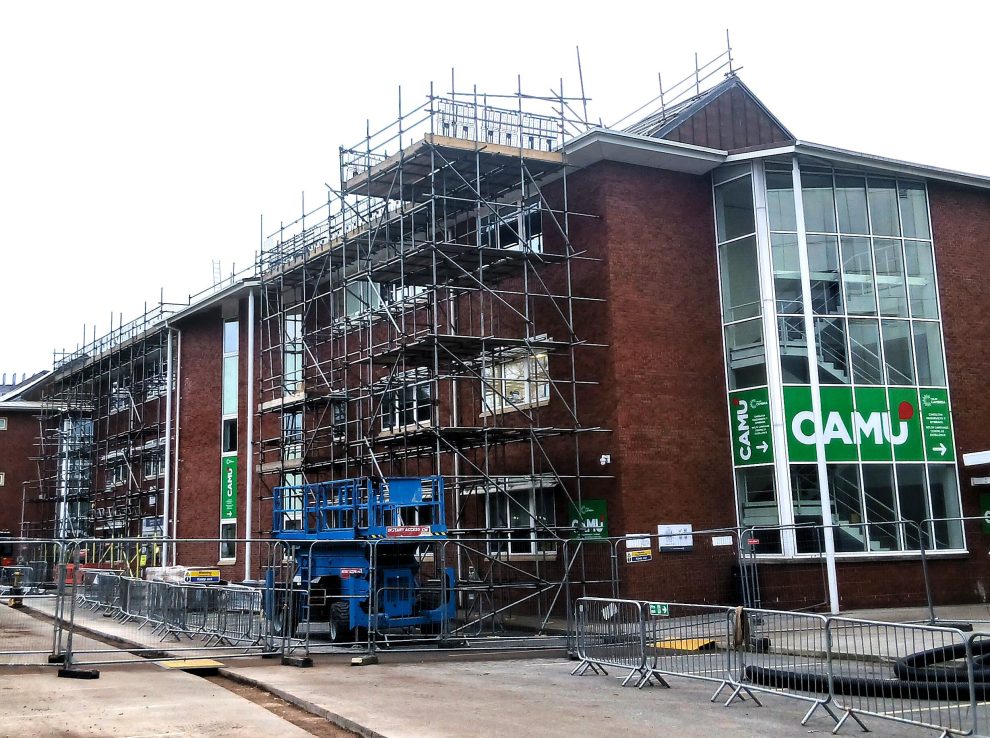

Major investment at Yale campus and new EV charging points form part of wider push to make Cambria one of Wales’ greenest colleges
A GREEN sweep of achievements is helping Coleg Cambria strengthen its reputation as one of the UK’s most sustainable and forward-thinking education providers.
The college is preparing to unveil up to £1.5 million worth of improvements at its Yale campus in Wrexham, funded through grants from the Welsh Government and Salix Finance.
The investment forms part of a wider strategy which is positioning Cambria as one of the greenest colleges in Wales, with major developments already underway across multiple sites.
In the coming weeks, a significant upgrade to E Block – now home to the new CAMU Welsh language centre – is expected to be completed. Alongside this, the college is also installing additional electric vehicle (EV) charging points across all Cambria campuses.
The funding supports a broader sustainability programme which includes an expanding electric vehicle fleet and a large-scale solar energy project at Deeside, due to become operational this summer.

Across its campuses, Coleg Cambria is already harnessing renewable power, with more than 1,300 solar panels generating over 265,000 kWh of green electricity each year.
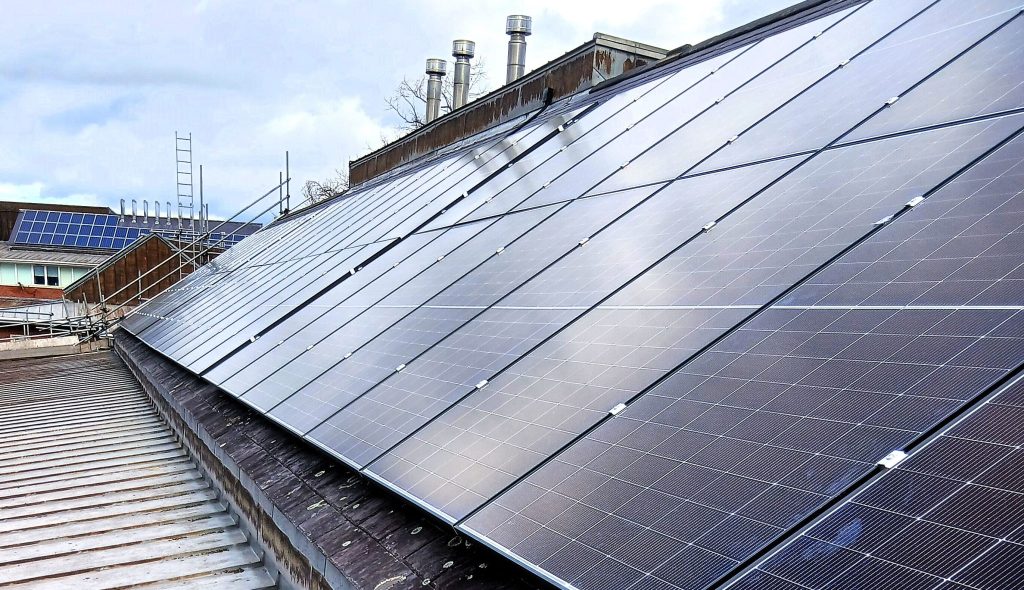
The college says that amount of energy is equivalent to driving an electric car around the Earth’s equator more than 42 times, or completing two round trips to the moon.
College leaders believe the investment reflects a long-term ambition to embed sustainability into every aspect of campus life, from infrastructure and transport to teaching and community engagement.
Head of Estates Alex Evans said the scale of the work demonstrates how seriously the college is taking the issue.
“This is about more than buildings and infrastructure,” he said. “It’s about creating campuses that are ready for the future and demonstrating to our students that sustainability is something we take very seriously.”
The transformation of E Block at Yale is expected to significantly cut the building’s carbon footprint while improving facilities for learners and staff. Refurbishment work includes modernised heating and upgraded energy systems designed to make the building more efficient and future-ready.
Meanwhile, new EV charging points are being installed across Cambria sites in Wrexham, Deeside, Northop and Llysfasi, supporting a move towards low-carbon travel for students, staff and visitors.
Health, Safety and Sustainability Manager Jenny Prendergast said the goal is to make sustainability part of everyday life on campus.
“We want it to be something our students can see and feel every day, not just something they read about in a strategy document,” she said.
The college has also expanded its environmental work beyond infrastructure improvements, creating wildflower meadow areas across the Northop, Deeside and Yale campuses spanning the equivalent of more than two football pitches. These meadows are believed to support an estimated 380,000 bees each day.

Additional biodiversity measures include swift nesting boxes and hedgehog homes, while rain gardens developed in partnership with the Welsh Dee Trust are helping to manage water flow and reduce flood risk in the Dee catchment area.
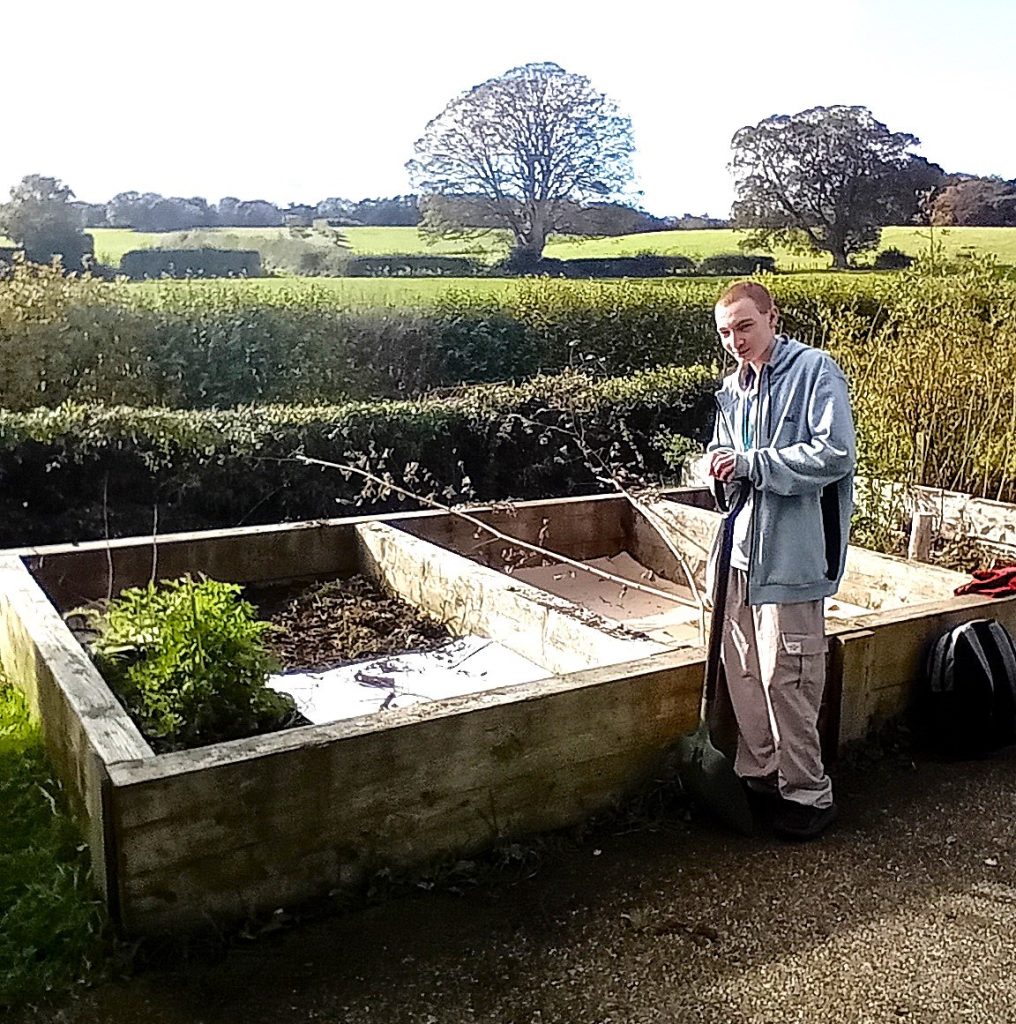
Students are also playing a key role in the green push. Each year learners plant at least 1,500 trees, take part in community litter picks, and volunteer with sustainability initiatives including repair cafés and Incredible Edible projects.
Sustainability Specialist Sophie Hughes-Saunier said the approach reflects the values of the next generation.
“Our students are passionate about the environment and the future of the planet, and it’s important that their college reflects those values,” she said.
Alex Evans added: “By investing in cleaner energy, electric transport and greener buildings, we are reducing our environmental impact and helping to prepare our learners for the future.”