
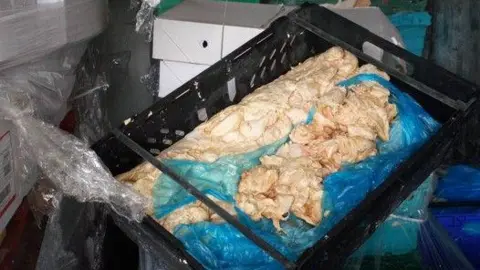

A KEBAB manufacturer has been fined £500,000 after a court heard products sold as lamb contained little actual lamb and were instead made up largely of skin, fat and other meats.
Kismet Kebabs Ltd, based in Chelmsford, Essex, was sentenced at Swansea Crown Court after previously admitting fraud by false representation.
The company was also ordered to pay £259,298 in costs.
The case was brought following an investigation led by Swansea Council’s trading standards team, which found products supplied to takeaways and restaurants did not match the meat content declared on their labels.
Prosecutor Lee Reynolds told the court the firm had misled wholesalers, retailers and customers over a prolonged period.

He said products described as lamb contained a mixture of fat, skin, goat, mutton, mechanically reclaimed meat and other lower-grade products.
In one example, a lamb doner labelled as containing 87% lamb was found to contain only 51% meat and 40% fat.
The investigation began after trading standards officers carried out sampling at kebab houses and restaurants in late 2020 and early 2021.
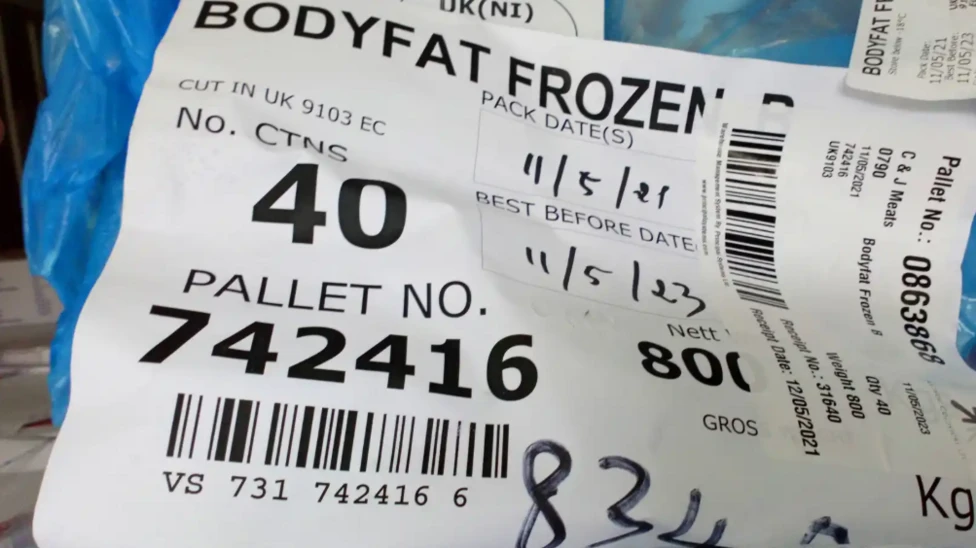
Further testing at wholesalers found major differences between what was stated on labels and what the products actually contained.
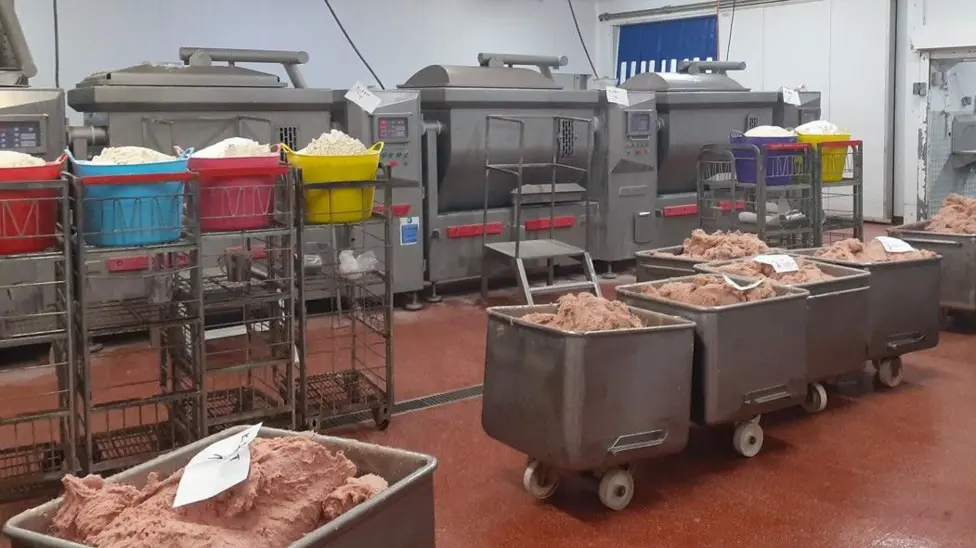
Officers later visited Kismet’s factory in Chelmsford, where concerns were raised about production, packaging and labelling.
The court heard invoices showed the firm was buying very little lamb, but large quantities of skin, fat, goat and other products.
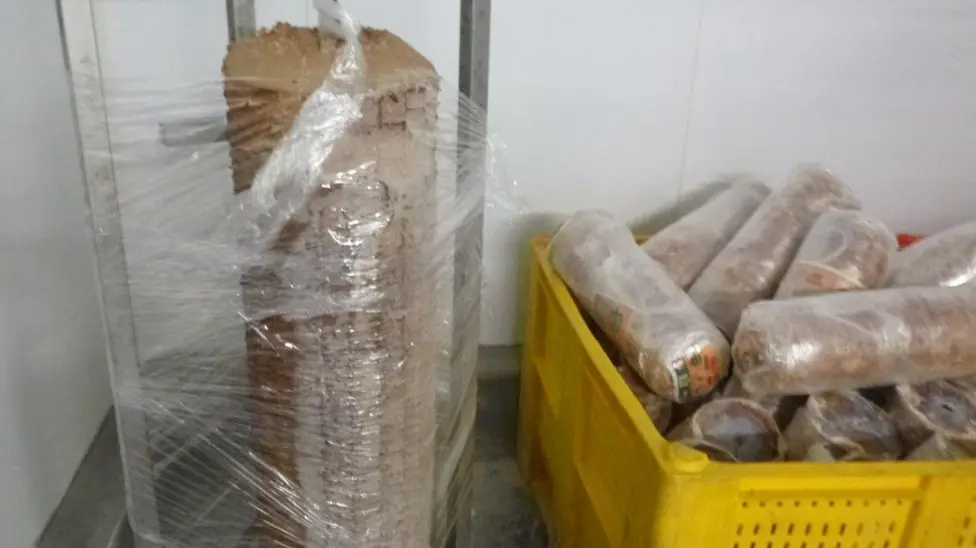
Kismet’s barrister, Stuart Jessop, said the firm had operated successfully for many years and had since made significant changes. He said the company had “taken its eye off the ball” at the time of the offending, but argued that forcing it out of business would benefit nobody.
Judge Huw Rees said fraudulent activity had been “endemic” at the company and described the dishonesty as considerable and prolonged.
The company has been given four years to pay the fine and costs.