

FINDINGS from a major UK forest peer-reviewed study, published today in Communications Sustainability, show how simple nature-based interventions can increase tree growth in the earliest stages of reforestation.
These interventions have the potential to boost carbon capture by 13 per cent to 27 per cent in the first four years of native woodland establishment.
Key Findings:
Enhanced rock weathering increased aboveground carbon storage by up to 27 per cent in native woodland plots after four years.
Microbial enrichment tended to increase aboveground biomass in native broadleaf woodland areas by 13 per cent after four years, with the greatest benefits seen in the first year after planting.

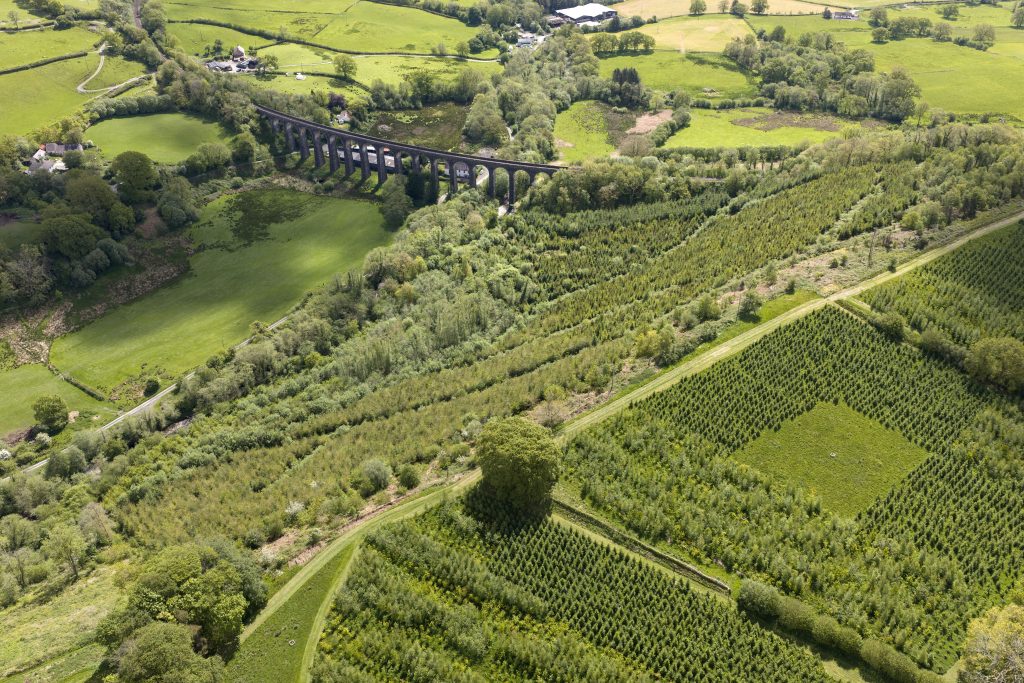
The Glandwr Forest Carbon Study, led by researchers at world-leading STEMB university Imperial College London and science-based charity The Carbon Community, is investigating carbon sequestration in two types of forest – broadleaf and conifer – with two nature-based interventions – enhanced rock weathering and microbial enrichment, each on its own and in combination. Enhanced rock weathering is a process that involves applying crushed silicate rock to the soil, while microbial enrichment is a method that introduces beneficial microorganisms from established forests to the soil.
The study is the largest field trial of its kind in the world: 72 individually managed research plots across 11.5 hectares / 28 acres of Welsh hillside, the equivalent to 18 football pitches.
Dr Bonnie Waring, Imperial College London, said: “What makes this study scientifically striking is not only the potential for carbon removal, but also its unprecedented scale, and the high level of citizen science involvement. We all need our new woodlands to thrive, for biodiversity, for our wellbeing, and for our climate efforts in the UK and beyond. After just four years, we can demonstrate how each of these simple, nature-based interventions effectively supports the early years of tree establishment and the carbon uptake capacity of new woodlands.”
The results are based on the first four years of the study with initial results focusing on the carbon stored above the ground in the trees. Results for each of the nature-based interventions showed:
- Enhanced Rock Weathering (ERW) – Applying crushed basalt (a by-product of mining) to the soil increased carbon removal significantly, with native woodland areas found to store up to 27 per cent more aboveground carbon after four years. This approach likely improved tree nutrition through two mechanisms: directly releasing calcium as the basaltic minerals weathered, and increasing soil pH, which made existing nutrients (nitrogen and phosphorus) more available to trees.
- Microbiome Enrichment – Microbial enrichment showed the greatest impact during the crucial first year after planting, with some species benefiting more than others, particularly spruce and oak. The results highlight the potential to harness soil microbial communities in the early stages of reforestation and ecological restoration, particularly by optimising inoculum selection. After four years, the broadleaf native woodland areas with microbial enrichment tended to store more carbon, with aboveground biomass 13 per cent higher than those without this intervention.
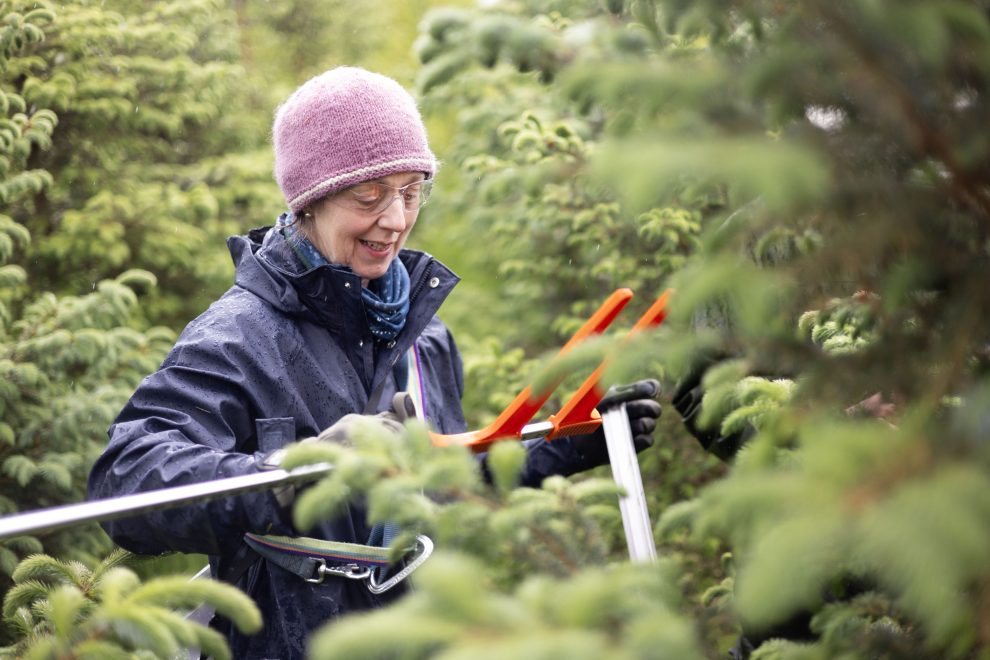
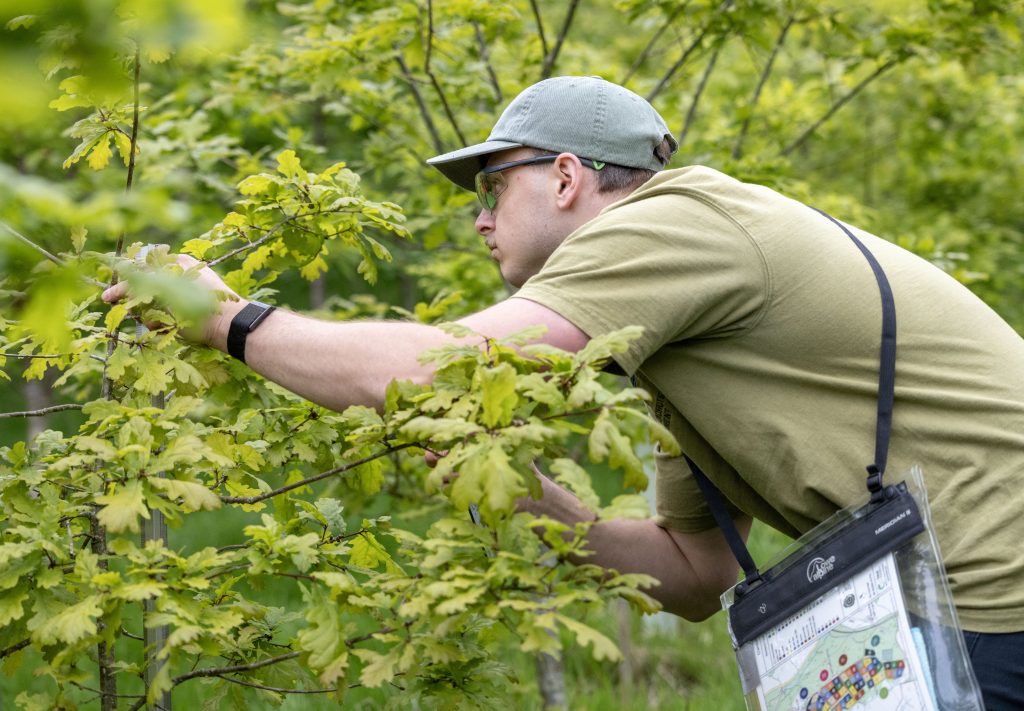
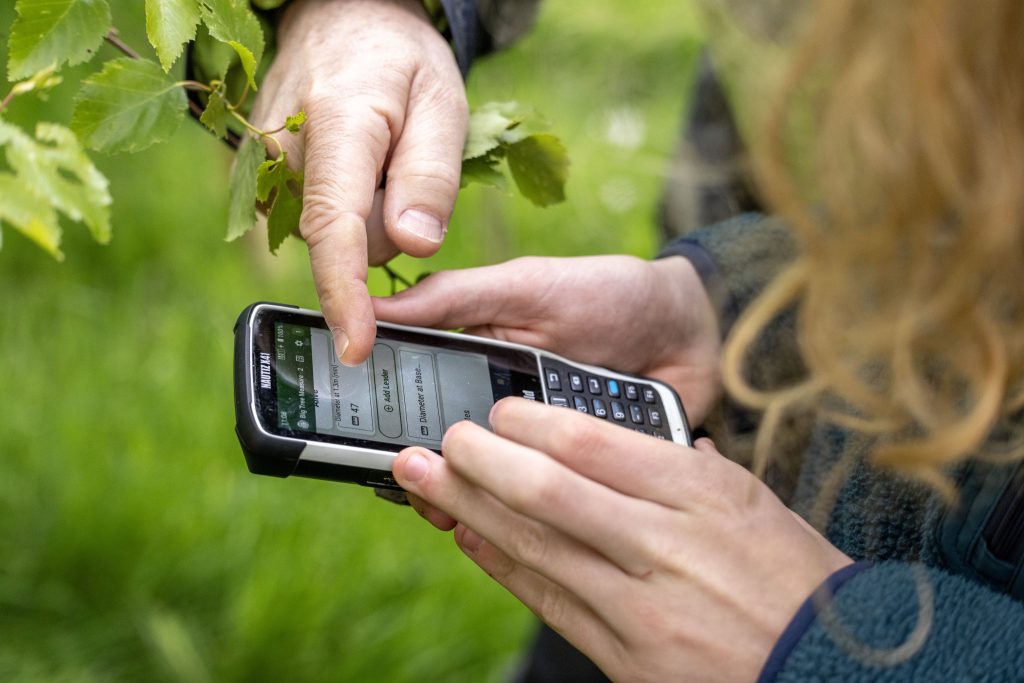
The project is the result of a long-term collaboration between The Carbon Community charity and researchers from Imperial College London, the Royal Botanic Gardens, Kew, and The University of Sheffield. It also represents a remarkable success of citizen science, with over 200 volunteers working alongside professional researchers to collect vital data from 6,400 individually monitored trees annually as part of its ‘Big Tree Measure’. This community engagement model has fostered meaningful contributions to climate science and environmental restoration.
Charles Nicholls, co-founder of The Carbon Community, said: “These findings come at a critical time when we must rapidly invest in effective solutions that can tackle both the climate and biodiversity crises. These two simple, but promising nature-based interventions could help transform restoration efforts, allowing us to improve tree survival and increase the amount of carbon captured by every tree planted. It’s a scientific breakthrough with significant practical implications for the UK’s national carbon removal strategy.”
Professor David Beerling, University of Sheffield, said: “These findings suggest that the addition of a crushed silicate rock such as basalt could be particularly valuable for boosting carbon removal in young native woodlands. These initial findings are just the start, with future results investigating the impact on belowground organic and inorganic carbon. We hope others will be able to replicate these interventions to make a considerable difference to carbon removal efforts.”
The Climate Change Committee’s 7th Carbon Budget sets an ambitious target for new woodland creation, aiming for 16 per cent of the UK to be covered in woodland by 2040 compared to 13 per cent today. To reach this goal, tree planting rates must double to more than 37,000 hectares per year. If these simple measures are used as part of meeting these targets, they could help remove an additional 45,000–106,000 tonnes of CO₂ in the first four years of planting alone.
The findings of this study provide a blueprint for forestry organisations and governments to achieve greater benefits for nature restoration and climate mitigation in future reforestation efforts. More support is needed to extend these studies to understand the long-term impacts of these interventions on reforestation and its ability to remove CO2 from the atmosphere.