

Bassaleg School students are gaining industry-focused skills as South Wales’ semiconductor sector targets 6,000 jobs by 2030
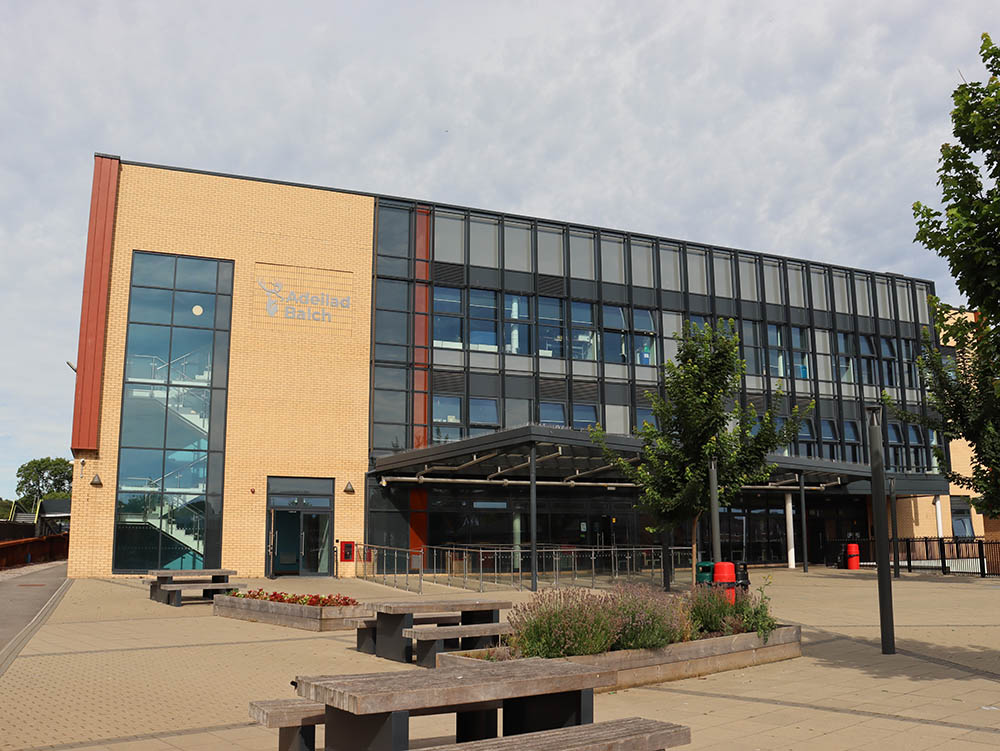
PUPILS at a Newport secondary school have become the first in the UK to begin studying a new qualification focused specifically on semiconductor technology.
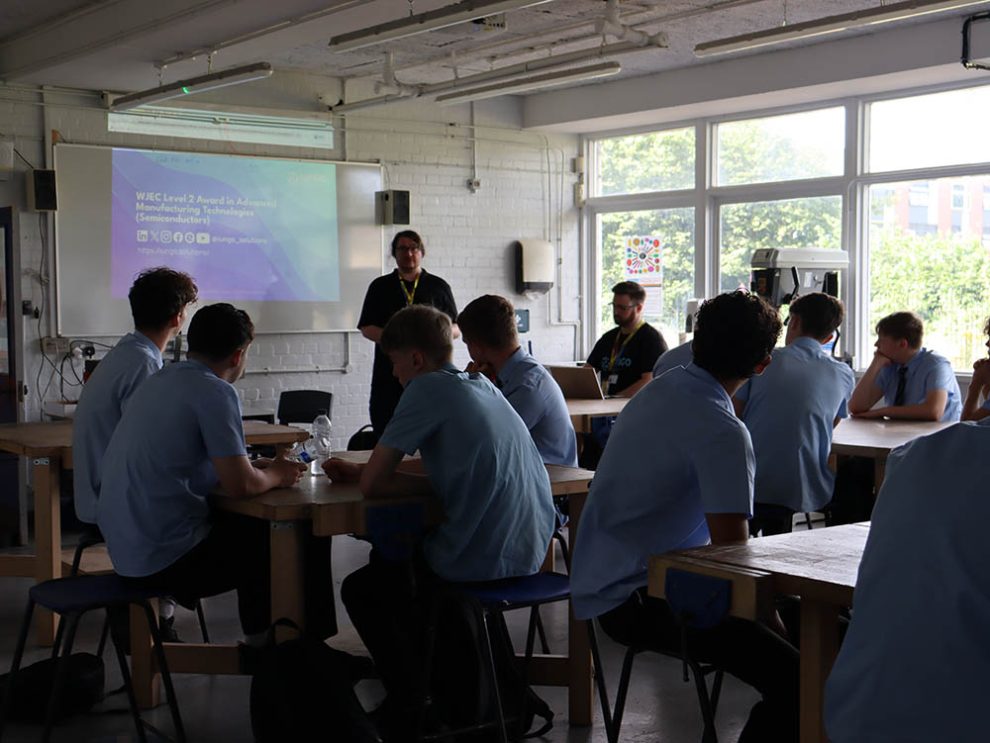
Year 10 students at Bassaleg School are working towards the WJEC Level 2 Award in Advanced Manufacturing Technologies (Semiconductors), a GCSE-equivalent qualification designed to introduce young people to careers in advanced manufacturing and the rapidly growing semiconductor industry.
The course combines classroom learning with practical skills development, covering semiconductor manufacturing, electronic circuitry, cleanroom procedures, quality control, workplace health and safety, and the range of careers available across the sector.
CSconnected, the organisation representing the South Wales compound semiconductor cluster, said the launch marked a national first for science, technology, engineering and mathematics education.
Cath Batten, deputy headteacher at Bassaleg School, said: “We’re incredibly proud that Bassaleg School is the first in the country to offer this qualification to our students.

“It’s a fantastic opportunity for them to gain real, industry-relevant skills alongside their studies, and to see first-hand the career possibilities that exist right here in Wales’ growing semiconductor sector.”
The programme is being supported by technology company KLA, which has operations in Newport and works within the semiconductor manufacturing industry.
Andrew Evans, director at KLA, said developing the next generation of workers was essential to the sector’s future.
He said: “Seeing students at Bassaleg School begin this qualification is a really encouraging step, and we’re pleased to be supporting a programme that gives young people practical, hands-on experience of the skills our sector needs.
“These are skills that could help learners build a lifelong career right here in Wales.”
Howard Rupprecht, managing director of CSconnected, described the launch as a landmark moment for both Wales and the wider UK.
He said: “It’s the first qualification of its kind, and it reflects the strength of Wales’ semiconductor cluster and our commitment to building a skilled, local talent pipeline for the industry’s future.
“What makes South Wales unique is the strength of its semiconductor ecosystem and the opportunities it offers at every stage of the talent journey.
“Students can start with qualifications like this one and progress through apprenticeships, degree apprenticeships and university study, right through to postgraduate and PhD research, before building careers with world-leading semiconductor companies based here in South Wales.”
The South Wales semiconductor cluster has set a target of doubling its workforce to 6,000 jobs by 2030.

Mr Rupprecht added: “We’re hoping the students completing this qualification will contribute to that vision.”
Year 10 pupil Harry Thomas said the course had already helped him learn more about the industry and the jobs it could offer.
He said: “I am really interested in a career in semiconductors, and being given the opportunity to study for a qualification in the subject is exciting.
“The course is helping me understand more about the semiconductor industry and is giving me a taste of the jobs that could be available to me in the future.”
According to figures released by CSconnected, the compound semiconductor cluster supported 3,140 jobs across Wales during 2025 and contributed £436 million in Gross Value Added to the Welsh economy.
The cluster directly employed 1,914 people, while a further 1,226 jobs were supported through its wider supply chain and economic activity.
Total employment linked to the sector increased from 2,748 jobs in 2024 to 3,140 in 2025, representing a year-on-year rise of 14 per cent.
The industry generated £267 million in direct GVA, with a further £169 million supported elsewhere in Wales. CSconnected said the total economic contribution was 19 per cent higher than the previous year.