
HOW do Powys council prevent a continual rise in the “shocking” numbers of children being taught at home, councillors have asked.
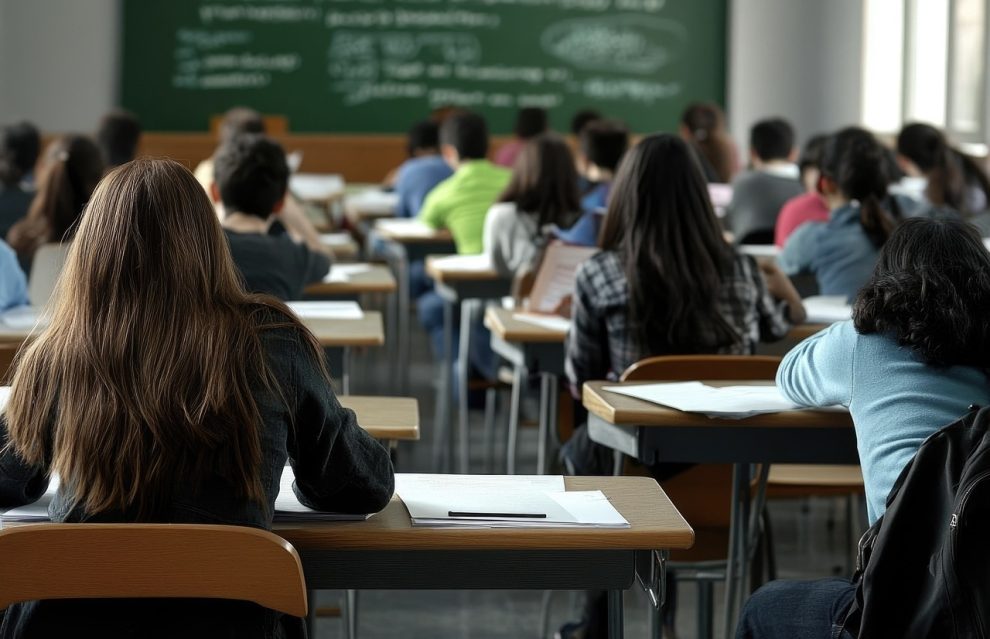
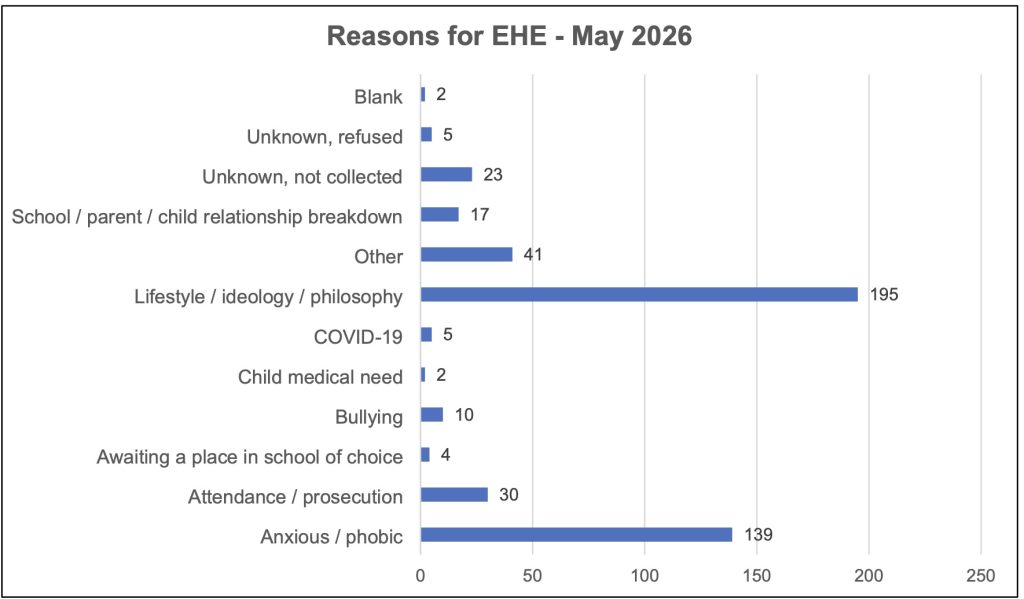
The numbers of Electively Home Educated (EHE) children in Powys at the last count rose to 473 – which is the equivalent of a small secondary school.
The information on EHE registrations in the county is contained in a report that was discussed by councillors at a meeting of Powys County Council’s Learning and Skills committee on Friday, June 5.
The numbers have continued to rise in recent years due to a number of factors.
Before the Covid-19 pandemic struck in March 2022, there were 154 EHE registered children.
Cllr Angela Davies (Liberal Democrat – Rhayader) said: “I’m really concerned, what are we doing about prevention?
“As well as their educational attainment there is all the social side and other things children get from schools.”
She asked whether parents were choosing to take their children out of school because they believe “what is on offer” does not suit their child’s needs?

Service manager for education support services, Sarah Quibell explained that families can work with family liaison officers with pastoral staff in schools and that a “range of support” is put in place to keep them in school – or entice them back.
Cllr Davies asked whether registering children as EHE is a legal requirement?
Ms Quibell said: “Not currently.
“There is a new Act that has come out in UK legislation which will require EHE learners to be on a register but that has to have secondary legislation laid before the Senedd for that to come into force in Wales.”
The UK Government’s Children’s Wellbeing and Schools Act 2026 – received Royal Assent at the end of April.
Education other than at school (EOTAS) co-ordinator Aysha Waghorn said that they were asking families what went wrong for the child in school at that point where they were: “unable to cope in school.”
Mrs Waghorn said: “If we understand that it will help us with putting in preventative measures and working with schools to support young people so that we don’t get to that stage.”

She added that a group was being set up with commitments given from the Youth Intervention Service, Welfare Service, EOTAS, CAHMS (Child and Adolescent Mental Health Service, schools, parents and children to probe the issues.
Then the council could “really start” to find out from children and families the causes for turning their backs on school explained Mrs Waghorn.
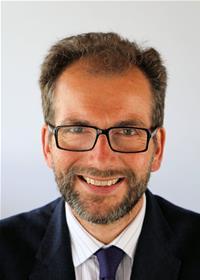
Education portfolio holder Cllr James Gibson-Watt (Liberal Democrat – Glasbury) said: “The numbers of children being EHE is shocking and we have to ask ourselves why is that happening.
“We have to make our schools more attractive and a better environment for young people and their families.
“The support is now greater than it’s ever been and a lot of it is new work and the level of challenge continues to rise.
He believed all this “harks” back to how money is allocated to schools from the council’s overall budget.
Cllr Gibson-Watt believed that councillors across the political spectrum in Powys need to take this issue on board when they debate how much funding to allocate to schools and the education department in the future.
“There is an issue around the capacity of secondary schools to deliver particular to children who find the school environment difficult and that is a resource issue,” stressed Cllr Gibson-Watt.