
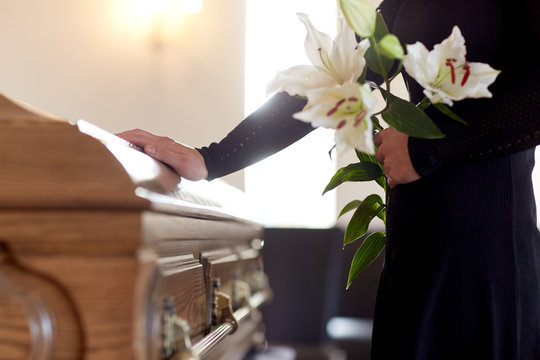

Report reveals growing financial pressure at time of bereavement
FINANCIAL pressures and where people live are increasingly shaping how families across the UK say goodbye to loved ones, according to the latest Sun Life Cost of Dying Report.
The report reveals that the average cost of a simple attended funeral has risen to £3,828, climbing to more than £5,000 once additional send-off costs are included. For many families, funerals are now one of the largest unplanned expenses they will ever face.
Regional disparities are also becoming more pronounced. In London, funeral costs are almost £1,100 higher than the national average, creating what campaigners describe as a postcode lottery at the point of death.
Peter Shuttleworth, General Manager at Celebration of Life, said the findings reflect what those working in the sector are witnessing daily.
“The Sun Life report confirms what we see every day: financial concerns are no longer a side issue when someone dies – they are front and centre,” he said. “For too many families, the immediate question isn’t how they want to say goodbye, but what they can afford to do.”
While the report highlights a shift towards simpler attended funerals, it also points to a deeper conflict. Families continue to seek meaning, ritual and time to grieve, but are increasingly constrained by rising cremation and burial fees, higher coffin costs and the wider cost-of-living crisis.
The figures show that one in seven families now experiences financial hardship when paying for a funeral, with some resorting to crowdfunding or high-risk borrowing. Many of those affected report a negative impact on their mental health.
“Grief should never be compounded by debt, stress or fear of bills,” Mr Shuttleworth said. “Yet the data shows that this is exactly what’s happening. When families are cutting back on food or heating to pay for a funeral, something in the system is fundamentally broken.”
The report also highlights the growing popularity of direct cremation, which now accounts for around one in five funerals. Advocates say its appeal lies in cost certainty, offering a fixed price and removing regional pricing disparities and unexpected add-ons at a time when families are least able to manage them.
However, Mr Shuttleworth stressed that cost is not the only factor.
“Direct cremation isn’t about doing less,” he said. “It’s about doing things differently. By separating the practicalities of cremation from the moment of remembrance, families gain time, flexibility and control. They can choose when, where and how they come together, without being rushed or constrained by escalating costs.”
This approach is reflected in the report’s findings, with most families who choose direct cremation still holding a memorial, wake or celebration of life, often days or weeks later and shaped around the wishes of the person who has died.
Celebration of Life says the findings should prompt a wider national conversation about fairness, transparency and choice within the funeral sector.
“People deserve clear options, upfront pricing and the freedom to honour a life in a way that feels right for them, regardless of postcode or income,” Mr Shuttleworth added.