


A landmark Autumn Budget brings major anti-poverty reforms and record investment—while critics warn of a £26bn tax burden and ‘chaos at both ends of the M4’
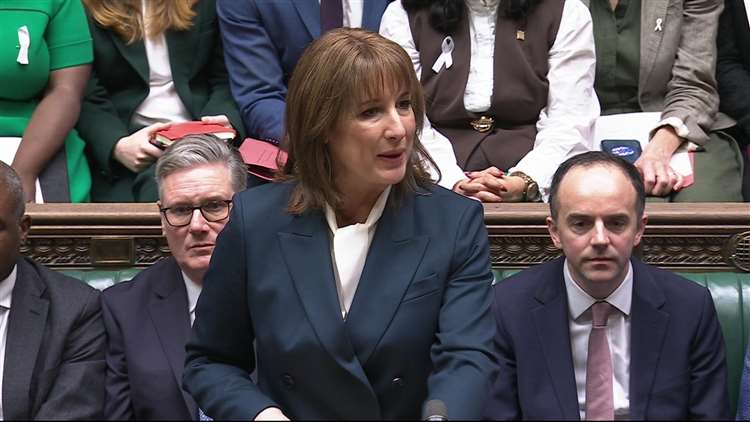
THE AUTUMN BUDGET has landed with a mixture of praise, alarm and fierce political argument after the Chancellor, Rachel Reeves, announced sweeping changes affecting every part of Welsh life — from family budgets and pensions to jobs, taxation, and the future of key industries.
The day was overshadowed by the extraordinary leak of the entire Office for Budget Responsibility (OBR) forecast, which appeared online hours before the Chancellor stood up in the Commons. Senior ministers later confirmed that the “riot act” had been read to those suspected of briefing the press, as the scale of internal tension inside the UK Government became clear.
But once delivered, the Budget set out one of the largest policy shifts in years: the scrapping of the two-child benefit cap, major increases to the minimum wage, billions for Welsh industries, and a freeze in fuel duty — all set against the backdrop of the UK tax burden reaching its highest level since the Second World War.
This is The Herald’s full Welsh-focused analysis of what the Budget means — and why reactions have been so sharply divided.
Child Poverty: Two-Child Benefit Cap Scrapped for 69,000 Welsh Children

One of the Chancellor’s most consequential decisions was the abolition of the controversial two-child benefit limit, a policy long criticised by anti-poverty groups and Welsh ministers.

According to Treasury modelling, around 69,000 children in Wales will now benefit, including more than 19,000 families whose third or subsequent children were previously ineligible for additional support.
Welsh First Minister Eluned Morgan described the reform as “a major step in tackling the scourge of child poverty”.
Universal Credit will also be uprated by 6%, bringing further relief to low-income households across Wales.
Minimum Wage Increases: 150,000 Welsh Workers to Benefit
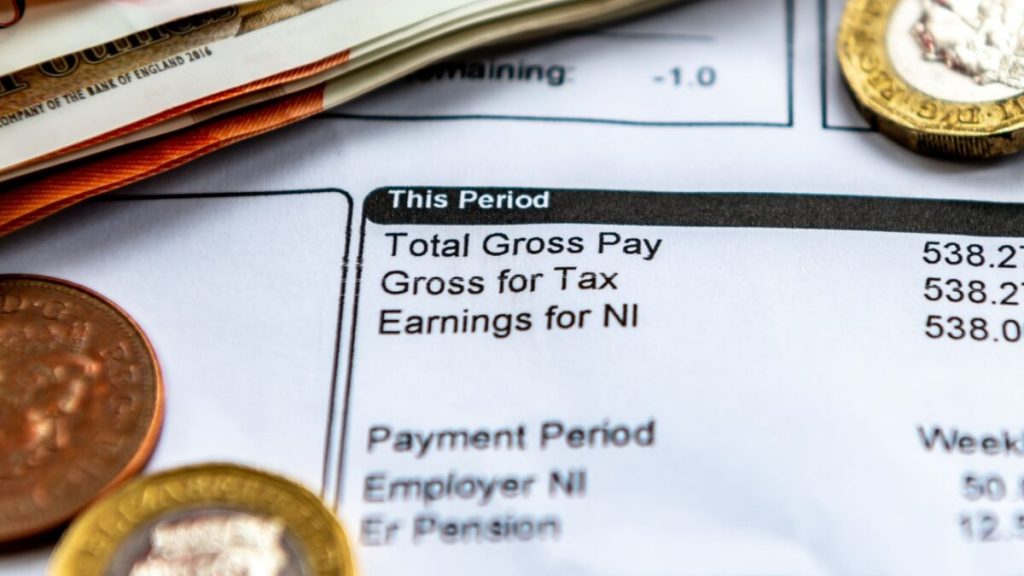
The Chancellor confirmed that both the National Living Wage and National Minimum Wage would rise from April. Around 150,000 workers in Wales will receive a pay increase.
The Welsh Government hailed the rise as a boost to struggling families, but the National Franchised Dealers Association (NFDA) warned that such increases compound pressures on employers already facing falling margins.
NFDA Chief Executive Sue Robinson said that while freezing fuel duty was welcome, the Budget offered “limited support” for the automotive and EV sector.
“Registrations have fluctuated in a challenging climate,” she said, warning that missing EV incentives and the new 3p-per-mile EV road tax could “slow the industry’s progress”.
£1bn Additional Spending Power for the Welsh Government
After years of dispute over funding, the Budget awarded Wales:
- £505m in Barnett consequentials, and
- £425m in new fiscal flexibilities,
- bringing close to £1bn in additional spending power.
Eluned Morgan welcomed what she called “significant support for hard-pressed public services”, citing similar flexibilities last year that funded thousands of additional NHS treatments.

She also pointed to major UK-wide investment landing directly in Wales:
- AI Growth Zones in Cardiff, Newport and Bangor
- £10m for South Wales’s semiconductor industry
- £25m for Anglesey Freeport
- £4.2m for Port Talbot steel transition land remediation
- 3,000 new jobs tied to new nuclear at Wylfa
British Coal Pension Victory: 4,000 Ex-Miners in Wales to Benefit

The Chancellor also confirmed that the Investment Reserve Fund of the British Coal Staff Superannuation Scheme (BCSSS) will be transferred to scheme members.
Welsh Liberal Democrat spokesperson David Chadwick, who led repeated calls to resolve the issue, said:
“This is welcome news for the roughly 4,000 former miners in Wales who were denied full access to their pension pots.
It is only right they finally receive the support they have been owed for far too long.”
Fuel Duty Freeze: FairFuelUK Claims ‘Major Win’

Campaign group FairFuelUK welcomed the Chancellor’s decision to freeze fuel duty.
Founder Howard Cox said lobbying efforts “paid off”, crediting MP Lewis Cocking for championing the cause in Parliament.
But Mr Cox warned that the new 3p-per-mile EV tax could be “the thin end of the wedge” towards a wider road-pricing system.
“It’s time Government listens to and consults drivers on a long-term road user tax plan that is fair to the UK’s 37 million drivers,” he said.
Unions: ‘The Final Nail in the Coffin for Austerity’
GMB union general secretary Gary Smith said the Budget marked a decisive end to the austerity era.
“Today’s Budget looks like the final nail in the coffin for the Conservatives’ failed austerity project.
The challenge now for Labour is to rebuild the economy and bring hope to people.”
Reform UK: ‘A Disaster at Both Ends of the M4’
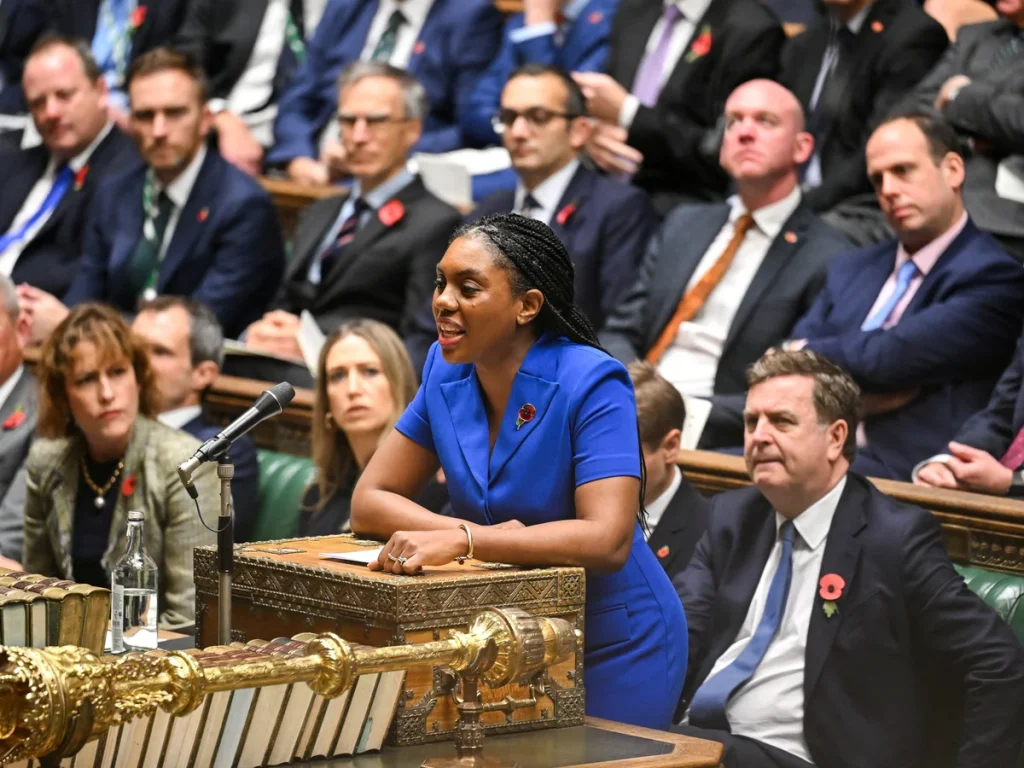
Reform UK Wales issued a blistering response, accusing Labour governments in Cardiff and London of damaging Welsh business.
A spokesperson said: “This Budget will take taxes to post-war highs, putting enormous pressure on employers and employees up and down Wales.”
The party claimed next May’s Senedd elections will be “a two-horse race between Plaid Cymru and Reform”, presenting themselves as the alternative to “huge tax rises”.
Welsh Conservatives: ‘£26bn Tax Bombshell’
The Welsh Conservatives condemned the Budget as “chaotic”, saying the leak of the OBR forecast showed dysfunction at the heart of government.
In a highly critical statement, the party said the Budget contained £26bn of tax rises, including:
- Frozen income tax thresholds until 2030–31
- A 2% rise in taxes on dividends, savings and property income
- Gambling taxes worth £1.1bn
- New charges on salary-sacrifice pensions
- A council tax surcharge on homes over £2m
- A new “sugar tax” on lattes and milkshakes
- An EV mileage tax from 2028
Shadow Finance Secretary Sam Rowlands MS said: “Labour’s claim they wouldn’t raise taxes on working people has been exposed. Under Labour, we just keep paying more.”
He accused Welsh ministers of failing to secure a better settlement for Wales.
OBR Leak: Ministers ‘Read the Riot Act’
The morning began with unprecedented controversy after the OBR accidentally published its forecast online.
The leak confirmed:
- Weak GDP growth, averaging 1.5%
- Public debt rising to 96% of GDP
- Borrowing only falling because of tax threshold freezes
- The tax burden reaching 38.3% of GDP, the highest since records began
Chief Secretary to the Prime Minister Darren Jones later said officials had been “read the riot act” and called the leaks “utterly unacceptable”.
Where Does This Leave Wales?
Winners
- Low-income families with more than two children
- Pensioners
- Minimum wage workers
- The semiconductor, nuclear and advanced manufacturing sectors
- Former coal staff pensioners
- Councils and the Welsh Government, now with new fiscal flexibility
Losers
- Middle-income earners pulled into higher tax brackets
- Motorists preparing for a future road-charging system
- Employers facing rising wage costs
- EV buyers—now subject to per-mile charges
- Savers, landlords and dividend earners facing tax increases
Conclusion: A Budget That Redraws the Map — But Not Without Cost
This Budget is one of the most far-reaching in years.
For Wales, it delivers:
- huge anti-poverty reforms
- major industrial investment
- nearly £1bn in devolved funding
- relief for minimum-wage households and pensioners
But it also locks in record-high taxation, leaves businesses warning of missed opportunities, and opens new political fault lines ahead of next year’s Welsh election.
The UK now faces a decade shaped by high taxes, slow growth, and deep political disagreement about the best route forward.
Wales, as ever, stands at the centre of that national argument.