
Almost 300 workers at a major chemical plant in south Wales are set to lose their jobs as part of a sweeping cost-cutting drive by US-based multinational Dow.
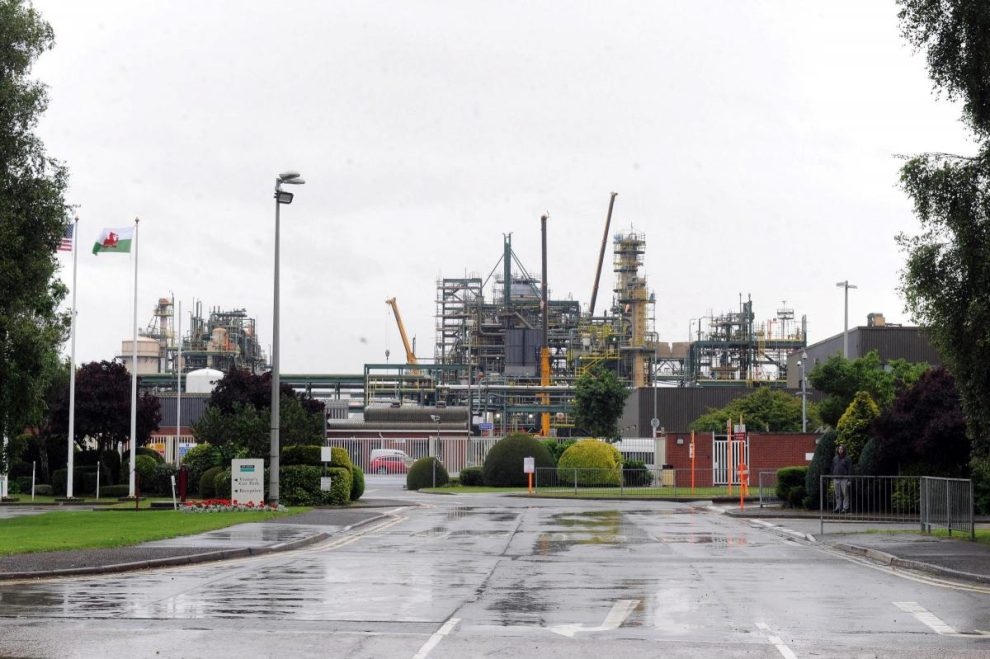
The company, which has operated in Barry since 1971, confirmed it will shut down its basic siloxanes operations at the site by mid-2026. The move forms part of a broader plan that includes closures at two of its German plants, resulting in the loss of around 800 jobs across Europe.
In Barry alone, 291 positions have been earmarked for redundancy—almost a third of the 850-strong workforce employed across the 160-acre facility. The closures are expected to be phased in over the next two years, with demolition work likely to continue into 2029 where necessary.
The decision is part of a wider strategy announced in January, when Dow revealed plans to cut 1,500 jobs globally in a bid to save $1bn. At the heart of the move is a push to streamline operations by removing high-cost, energy-intensive parts of its European portfolio.
In a statement, the company said the shutdown of “upstream assets” in Wales and Germany was designed to “right-size regional capacity, reduce merchant sale exposure, and remove higher-cost, energy-intensive portions of Dow’s portfolio in the region.”

Dow, once the world’s largest chemical manufacturer, operates more than 200 sites across 30 countries and currently employs around 36,000 people worldwide. In Barry, the site has a long-standing presence, having been acquired from Midland Silicones over five decades ago.
The plant’s output of basic chemicals—used in everything from food production to paints, coatings, and dry-cleaning products—has come under increasing competitive pressure, particularly from Chinese manufacturers able to offer significantly lower prices.
Jim Fitterling, Dow’s chair and chief executive, acknowledged the impact of the decision but cited ongoing economic pressures across Europe.
“Our industry in Europe continues to face difficult market dynamics as well as an ongoing challenging cost and demand landscape,” he said. “Over the past decade we have demonstrated Dow’s commitment to operating with a best-owner mindset by taking proactive actions across higher-cost or non-strategic assets. Looking ahead, we remain committed to realizing the value of our incremental growth investments and enhancing profitability and cash flow through more than $6bn in near-term cash support.”
The company estimates it will spend between $630 million and $790 million on asset disposal, severance packages, and associated benefit costs as part of the restructuring.
Trade union Unite has sharply criticised the move, warning of the devastating impact on the local economy. General secretary Sharon Graham called the proposals “outrageous,” saying: “The potential loss of so many well-paid jobs in the area will be devastating—not just to our members and their families, but to the local economy as well.”
As workers at the Barry site brace for an uncertain future, questions remain over what support will be made available to those affected and how the wider community will weather the economic fallout of such a significant loss.