

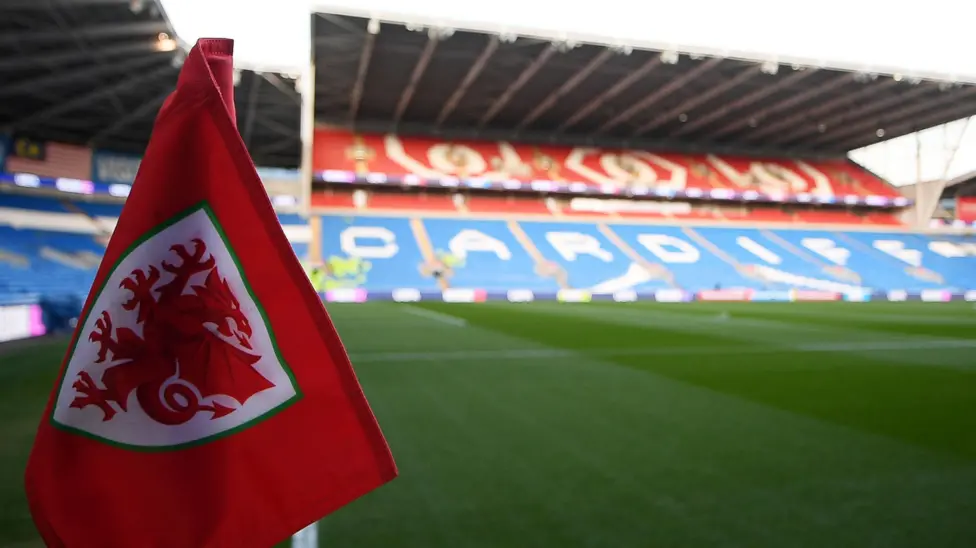

THE FAW (Football Association of Wales) has posted a £3.4 million loss for the year ending June 2025, despite recording its highest-ever turnover.
New accounts show revenue rose sharply from £32.4 million to £40.6 million over the 12-month period, driven by increased funding from UEFA, the UK Government and the FAW’s coaching education programme.
But administrative expenses also surged, climbing by nearly £10 million to £32.8 million. That contributed to an operating loss of £5 million, reversing the £1.1 million profit recorded the previous year.
Despite the loss, the FAW’s overall financial position remains relatively strong. Net assets stood at £11.9 million, while cash reserves increased by almost £5 million to £16.1 million.
The accounts became publicly available on Companies House on Wednesday night, two weeks after the FAW issued a statement describing the year as a period of “strategic investment and accelerated growth”.

The governing body said the rise in turnover was helped by the Wales women’s team qualifying for their first major tournament, Euro 2025, in December 2024. It also pointed to the men’s team winning their Nations League group, increased UEFA support for the expansion of the Cymru Premier, and additional Welsh Government funding to help expand FAW headquarters.
In its statement, the FAW said the operating loss reflected “a conscious decision to invest across all areas of Welsh football”, adding that this had been supported by the visibility of future Euro 2028 hosting fees.
The association said the £3.4 million net loss after tax was partly offset by healthy returns from investments and deferred tax movements linked to the transfer of its investment portfolio.
FAW chief finance and operations officer John Young said the organisation accepted that operational losses could not continue indefinitely, but argued that the current level of spending was justified.
He said the FAW believed continued investment was needed to strengthen the domestic league, improve the chances of tournament success for the national teams and support growth in the grassroots game.
Looking ahead, the FAW expects Euro 2028 to provide a major financial boost, with Wales set to co-host the tournament alongside England, Scotland and the Republic of Ireland.
However, the next set of accounts is likely to be affected by the men’s team missing out on qualification for this summer’s World Cup.
FAW chief executive Noel Mooney said qualification for the 2022 World Cup had provided a major platform for investment in grassroots facilities across Wales.
He said the FAW had used that moment to put £4 million into creating the Cymru Football Foundation, which has since distributed around £30 million.
Mooney admitted another World Cup appearance would have helped speed up development even further, but said the association now had to remain agile and focus on the opportunities ahead.
He said Euro 2028 would allow the FAW to keep investing in the game at every level.